Превключване към принт
 Прочети повече







































 За произведения на изкуството или репродукции, чийто размер е над 105 см (приблизително 41 инча) във всяка страна, рамката ще бъде изпратена в разглобен вид като комплект за сглобяване. Този метод гарантира безопасна доставка и предотвратява повреди по време на транспортиране.


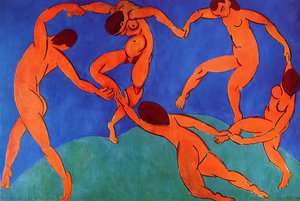
Still Life (16): A Symphony of Color and Quiet Observation
Henri Matisse’s “Still Life” – a deceptively simple composition rendered in 1905 – transcends mere representation; it embodies the core tenets of Fauvist painting, marking a pivotal moment in artistic history. Initially conceived as an exploration of color theory during his formative years at the Académie Julian, this artwork swiftly evolved into a profound statement about perception and emotion.
- Subject Matter: The scene depicts a commonplace tableau – fruits and vegetables arranged on a tabletop alongside bottles, cups, vases, and apples. Yet, Matisse elevates these familiar objects into symbols of beauty and tranquility through his masterful manipulation of hue.
- Style & Technique: Characteristic of Fauvist aesthetics, “Still Life” abandons traditional shading and perspective in favor of flattened planes of color that prioritize visual impact over realistic depiction. Matisse employs bold, unmixed pigments—primarily reds, yellows, and blues—creating a vibrant tapestry that pulsates with energy despite its stillness. The brushstrokes are loose and expressive, conveying movement and spontaneity rather than meticulous detail.
The historical context surrounding “Still Life” is crucial to understanding its significance. Emerging from the burgeoning avant-garde movement of the early 20th century, Fauvism challenged the conventions of Impressionism by rejecting naturalistic color palettes in favor of subjective interpretation. Matisse’s intention wasn't merely to capture what he saw; he sought to communicate how he *felt* about what he observed—a desire to infuse art with emotion and immediacy.
Symbolism & Emotional Impact: Beyond its formal qualities, “Still Life” resonates with deeper symbolic meanings. The repetition of apples – a motif frequently revisited by Matisse – speaks to themes of ripeness, abundance, and perhaps even mortality. The carefully positioned bottles and vases contribute to the overall sense of harmony and balance, mirroring Matisse’s belief in the power of art to inspire contemplation and elevate the everyday.
Ultimately, “Still Life” remains a testament to Matisse's unwavering commitment to color as expressive language. Its luminous hues invite viewers into a realm of sensory experience, prompting reflection on beauty, perception, and the transformative potential of artistic vision. Reproductions offer an opportunity to appreciate this masterpiece’s enduring legacy within the comfort of one’s own home.
Въпроси и отговори
Към кое художествено направление принадлежи „Still Life (16)“ на Хенри Матис?
„Still Life (16)“ е произведение от Fauvist Expressionism. Това направление определя художествената традиция, към която принадлежи творбата.
Налична ли е творбата "Still Life (16)" като художествен отпечатък?
За да поръчате принт на „Still Life (16)“ на Хенри Матис, просто го направете на неговата страница за поръчка: Художествен принт: художествен принт върху памучно платно или архивен канвас хартия.
С каква интензивност на цветовете се отличава „Still Life (16)“ на Хенри Матис?
Цветовете в „Still Life (16)“ на Хенри Матис имат Balanced интензивност.
 Преглед в реален мащаб
 Изпрати
 Сподели
 Детайли
 Ръководство

 Изтегляне
 Подобни артикули
 Рентгенова снимка
 Слайдшоу
 Въпроси и отговори
 Статистика