

 Представи си го
 Изпрати
 Сподели
 Детайли

 Изтегляне
 Подобни
 Рентгенова снимка
 Слайдшоу
Фейс Бъкон


 Прочетете повече
Жикле / Художествен принт
Giclée печат или принт върху платно с музейно качество, бързо производство и гъвкави опции за завършен вид. ( Купете ръчно рисувана картина Купете изображение)




P118B $10

P118H $10

P118W $10

P438Z $10

P508JH $12

P508YH $12

P805H $10

P805Z $10

P919BZ $10

P919G $10

P919XJ $10

P959ZH $10

P968JZ $12

W106C $8

W218G $10

W218JH $8

W218Y $10

W307PJ $10

W316G $10

W316PJ $8

W316Y $10

W398PJ $8

W4111J $10

W500HY $15

W500JH $15

W692G $12

W849H $8

W940BG $15

W953PJ $8




Изберете от предварително зададените размери, които съответстват на оригиналните пропорции на произведението.

Можете да въведете собствени размери, за да паснат на конкретна рамка или пространство. Ако избраният от Вас размер не съвпада с пропорциите на оригиналното изображение, ние ще изрежем произведението или ще разширим изображението с огледален или едноцветен ръб. Дигитален макет ще бъде изпратен за Ваше одобрение преди започването на производството.
Моля, имайте предвид, че предпрегледът на екрана не отразява реалното изрязване или разширяване. Само макетът ще покаже точно финалната композиция.
Въпреки че са налични персонализирани размери, препоръчваме да изберете размер от предварително дефинирания списък, за да запазите оригиналните пропорции.
Доставка по целия свят () в рамките на 2 седмици вместо стандартните 4/5 седмици. (22 Август)

Безплатна експресна доставка по целия свят

Висококачествено ленено платно

Пълно застраховане при доставка

Гаранция за възстановяване на митнически такси

Гаранция за цветова точност

60-Дневен период за връщане (Само при дефекти)

100% Гаранция за връщане на парите

Предложение за отстъпка при поръчка на едро
 Стъклото е налично само в размери под 110 см

Фейс Бъкон
Жикле / Художествен принт
Размер на репродукцията
-


Обща цена
$ 80
Описание на колекционерския предмет
Francis Bacon: A Vision of Darkness and Decay
Francis Bacon’s “Painting 1946” stands as an arresting testament to the anxieties of postwar Britain, rendered in a style that defies easy categorization yet resonates powerfully with the broader currents of Expressionism and Surrealism. Completed shortly after World War II, this monumental canvas confronts viewers with a visceral depiction of psychological torment—a disturbing exploration of mortality and the disintegration of human form.
- Subject Matter: The painting portrays an anonymous figure seated beneath an umbrella in what appears to be a lavishly decorated room. Alongside him are unsettling juxtapositions: a giraffe, a snake, and various other fantastical creatures—symbols that disrupt conventional notions of reality and invite contemplation on themes of alienation and decay.
- Style & Technique: Bacon’s masterful brushwork characterizes the artwork with thick impasto layering and visible strokes. The artist employs bold gestures to convey emotion, prioritizing expressive intensity over meticulous realism. Color is deliberately muted—primarily reds, purples, blacks, and whites—enhancing the dramatic tension and creating a claustrophobic atmosphere.
- Historical Context: “Painting 1946” emerged in the immediate aftermath of World War II, reflecting the anxieties and disillusionment prevalent during that period. Bacon’s work engages with broader artistic currents of Expressionism and Surrealism, responding to the existential questions posed by the devastation of the conflict.
- Symbolism: The umbrella held by one figure represents protection or concealment—a motif echoing imagery from Hitler's bunker, referencing the pervasive fear of totalitarian regimes. The giraffe symbolizes grandeur and aspiration juxtaposed with vulnerability, while the snake embodies primal instinct and danger. Bacon’s deliberate inclusion of these elements underscores a critique of societal values.
- Technique & Style: Executed in oil paints on canvas with vigorous brushwork and impasto layering, “Painting 1946” exemplifies Bacon's signature Expressionist style. The artist employs bold gestural strokes to convey raw emotion and create a textured surface that amplifies visual impact. Stark chiaroscuro lighting emphasizes certain elements, casting deep shadows that heighten the dramatic tension. The distorted perspective contributes to a dreamlike atmosphere, challenging conventional realism.
- Subject Matter: The painting portrays a solitary figure seated beneath an umbrella—a deliberate allusion to Neville Chamberlain’s iconic gesture during appeasement negotiations leading up to the war. This ambiguous posture embodies uncertainty and apprehension, highlighting the futility of optimism in the face of impending doom.
- Style & Technique: Bacon employs a bold Expressionist style characterized by dynamic brushstrokes and impasto—thickly applied paint—creating a textured surface that amplifies emotional intensity. The artist’s deliberate disregard for traditional perspective contributes to a dreamlike atmosphere, challenging viewers to confront unsettling realities.
- The artwork depicts an enigmatic figure seated beneath an umbrella in what appears to be a lavishly decorated room, surrounded by bizarre creatures – a giraffe, a snake, and various other fantastical beings.
- A central figure reminiscent of a crucifixion scene dominates the upper portion of the canvas, conveying themes of confinement and sacrifice.
- Below, another figure holding an umbrella introduces a contrasting element of protection and concealment.
- Executed with vigorous, expressive brushwork, this piece exemplifies the raw intensity of Expressionism.
- Bold, gestural strokes and impasto techniques create a textured surface that amplifies emotional impact.
- The artist employs stark chiaroscuro lighting to emphasize certain elements, casting deep shadows that heighten the sense of mystery and psychological
A Haunting Reflection of War’s Trauma
The artwork presents a surreal and unsettling scene dominated by a dark-suited man seated beneath an umbrella in what appears to be a lavishly decorated room. The composition is vertically oriented and crowded, with multiple figures – including a giraffe, a snake, and various other fantastical creatures – interwoven into the space. The color palette is primarily composed of deep reds, purples, and blacks, creating a dramatic and somewhat claustrophobic atmosphere. Lines are thick and expressive, contributing to a sense of chaos and distortion. Shapes are irregular and amorphous, further enhancing the surreal quality. Textures appear rough and impasto-like, suggesting a heavily layered application of paint. Lighting is uneven, with areas of deep shadow contrasting sharply with brighter highlights on some figures and details within the room. Perspective is distorted, creating a dreamlike or hallucinatory effect. Depth is limited due to the dense arrangement of elements. The subject matter blends realism (the man) with fantastical imagery, hinting at themes of alienation, decay, and perhaps a critique of societal opulence.Style and Technique
Executed with vigorous, expressive brushwork, this piece exemplifies the raw intensity of Expressionism. The artist employs bold, gestural strokes and impasto techniques to create a textured surface that amplifies emotional impact. The limited yet striking color palette—muted pinks, blacks, whites, and dark greens accented with touches of yellow and red—heightens the dramatic tension. Stark chiaroscuro lighting emphasizes certain elements, casting deep shadows that deepen the sense of mystery and emotional weight. The distorted perspective and flattened spatial relationships lend a surreal, almost dreamlike quality, challenging traditional notions of realism and inviting symbolic interpretation. This deliberate disregard for conventional representation underscores Bacon’s commitment to conveying psychological states rather than merely depicting visual reality.A Portrait of Existential Angst: Painting 1946
Francis Bacon's "Painting 1946" stands as a monumental achievement in Expressionist art, encapsulating the pervasive anxieties and disillusionment that characterized post-war Europe. Completed shortly after the devastation of World War II, this canvas transcends mere visual depiction; it plunges viewers into a visceral confrontation with themes of decay, isolation, and inescapable mortality—a reflection of the profound psychological landscape of its time. The artwork’s genesis lies in Bacon's fascination with the unsettling imagery of butcher shops during his childhood, an influence that manifests itself in the disturbing presence of dissected animal carcasses within the composition. These carcasses serve as potent symbols of vulnerability and disintegration, mirroring the broader societal trauma experienced following the conflict.Historical Context & Artistic Significance
The artwork emerged in the immediate aftermath of World War II, reflecting the pervasive anxieties and disillusionment that gripped Europe. Bacon’s unflinching portrayal of human vulnerability aligns with the broader artistic movement questioning established norms and exploring existential themes. It stands as a testament to the artist's ability to distill profound psychological insight into visual form—a feat celebrated by critics and collectors alike. The piece’s influence extends beyond its time, inspiring subsequent artists to grapple with similar issues of trauma and perception.Style & Technique
Francis Bacon’s “Painting 1946” exemplifies Expressionism, characterized by bold brushstrokes and a visceral engagement with emotion. The artist employs a technique rooted in observation—specifically, the unsettling distortions he achieved through meticulous layering of pastel and oil paints on linen. These deliberate manipulations of pigment create an arresting visual experience, mirroring the psychological turmoil at the heart of the artwork. Bacon’s masterful use of chiaroscuro lighting amplifies the dramatic tension, casting deep shadows that heighten the sense of mystery and underscore the painting's profound emotional resonance.Symbolism & Historical Context
Created in 1946, immediately following World War II, “Painting 1946” speaks to the anxieties and disillusionment of its era—a period marked by existential questioning and a confrontation with the horrors of conflict. Bacon’s artistic vision draws upon diverse influences, including Surrealism and Old Master traditions. The central figure—a man seated beneath an umbrella—represents both protection and concealment, mirroring the complexities of human experience during wartime. The inclusion of fantastical creatures – a giraffe, snake, and various other forms – symbolizes a distorted reality, reflecting the psychological impact of trauma. Notably, Bacon’s reference to Hitler's bunker through the window shades underscores the pervasive fear of totalitarianism and the desire for order amidst chaos. The painting embodies a broader exploration of mortality and the human condition—themes central to Bacon’s oeuvre and resonating with viewers today.Technique & Artistic Impression
Executed in oil paint on linen, “Painting 1946” exemplifies Francis Bacon's signature expressive style – a blend of Surrealism and Expressionism characterized by bold brushstrokes and impasto layering. The artist’s meticulous attention to detail is evident in the textured surface, which captures the dynamism of the scene with palpable energy. Color palettes are muted yet impactful, dominated by deep reds, purples, and blacks accented with flashes of yellow and red, creating a dramatic visual experience. Bacon's masterful use of chiaroscuro lighting emphasizes certain elements, intensifying emotional resonance and contributing to the artwork’s unsettling atmosphere. The distorted perspective and flattened spatial relationships challenge conventional realism, inviting viewers to contemplate profound themes of alienation and psychological torment. This monumental canvas stands as a testament to Bacon’s unparalleled ability to convey visceral emotion through visual form—a haunting meditation on human existence rendered with uncompromising artistic conviction.Subject Matter and Composition
Style and Technique
Биография на художника
Животът, потопен в осезаемото
Франсис Бейкън, име синоним на най-суровата емоционалност в изкуството на 20-ти век, е роден в Дъблин, Ирландия през 1909 г., но истинският му артистичен дух намира израз в бурния пейзаж на следвоенна Великобритания. Ранният му живот далеч не беше стабилен; честите премествания поради здравословното състояние на майка му зародиха чувство за дезориентация, което дълбоко ще оформи мирогледа му и в крайна сметка ще проникне в платното му. Сложните отношения с неговия строг баща и силната връзка с гувернантката му Джеси Лайтфут допълнително оцветиха емоционалния терен на формиращите му години. Първоначално привлечен от конните надбягвания и живот, изпълнен с хазарт, Бейкън се лута из различни професии, преди най-накрая да посвети живота си на живописта в края на двадесетте години – закъснял старт, който може би е засилил неотложността и интензивността на по-късната му работа. Той не е бил формално обучен, а вместо това проправя свой собствен път, усвоява влияния от различни източници и развива уникално обезпокоищ визуален език.Котлото на ранните влияния
Художественото пробуждане на Бейкън не беше мигновено, а по-скоро постепенно натрупване на впечатления. Творбите на Пабло Пикасо, особено изкривените фигури от ранния му кубистки период, се оказаха ключови за освобождаването му от традиционното представяне. Той намира допълнително вдъхновение във въздействащата фотография на Егон Шиле, чиито експресивни деформации на човешката форма резонират с нарастващия интерес на Бейкън към крехкостта и уязвимостта на съществуването. Въпреки това, случайна среща с филма *Потемкин* на Сергей Айзенщайн осигури решаващ катализатор. Визуалните образи на филма, особено близък план на крещящо лице, се превърнаха в траен мотив в работата на Бейкън, представяйки първоначален ужас и дълбините на човешкото страдание. Той също така дълбоко възхищава старите майстори, по-специално Диего Веласкес, чийто *Портрет на папа Инокентий X* той ще преосмисли многократно през цялата си кариера, трансформирайки авторитетната папска фигура в измъчен призрак. Тези влияния не бяха просто стилистични апроприации; те бяха усвоени и трансформирани чрез уникалната чувствителност на Бейкън, което доведе до артистична визия, която беше едновременно дълбоко лична и универсално резонансна.Коване на отличителен стил: изкривяване и изолация
Пробивът на Бейкън идва с *Три проучвания за фигури в основата на разпятието* (1944 г.), творба, която шокира и завладя публиката в следвоенен Лондон. Този триптих установява неговия отличителен стил – изкривени, фрагментирани фигури, изолирани в клаустрофобични пространства. Това не бяха изображения на религийно мъченичество, а по-скоро осезаеми проучвания на човешката болка, отнети от всяка утешителна наративна или духовна утеха. Неговите картини често включват замъглени или разтварящи се форми, предавайки чувство на психологическа тревожност и физическа уязвимост. Той често използва геометрични структури – клетки, кутии – за да ограничи своите обекти, подчертавайки тяхната изолация и безпомощност. Палитрата на Бейкън обикновено беше приглушена и мрачна, отразяваща тъмните теми, които изследваше, въпреки че е осеяна с изблици на интензивен цвят, които засилват емоционалното въздействие. Използването на тези клетки не беше просто композитно устройство; то символизира присъщите ограничения и ограничения, наложени върху човешкото съществуване. Той се стреми да улови не само *как* изглеждат нещата, но и *какви са*, превеждайки вътрешните състояния на тревожност, страх и отчаяние върху платното с брутална честност.Теми за смъртността, мъката и човешкото състояние
През своята плодовита кариера Бейкън многократно се връща към определени мотиви: разпятието като символ на страданието; портрети, които проникват в психологическата интензивност на своите обекти, често приятели и любовници като Джордж Дайър; и автопортрети, които служат като интроспективни проучвания на идентичността и смъртността. Неговата серия *Проучване след портрета на папа Инокентий X на Веласкес* (1953 г.) е може би едно от най-емблематичните му постижения, трансформирайки достойното изображение на Веласкес в крещящ призрак, въплъщаващ екзистенциален ужас. Портретите на Джордж Дайър, неговия волатилен любовник, са особено трогателни, улавят както интензитета на тяхната връзка, така и надвисналата сянка на трагедията. Работата на Бейкън не беше за изобразяване на конкретни лица; ставаше въпрос за проучване на универсални теми за човешката уязвимост, изолация и неизбежността на смъртта. Той не се отклонява от по-тъмните аспекти на съществуването, а напротив ги посреща челно, принуждавайки зрителите да се изправят пред собствената си смъртност и тревоги.Трайно наследство: оспорване на конвенциите
Въздействието на Франсис Бейкън върху изкуството на 20-ти век е неоспоримо. Той оспори традиционните представи за представяне, отхвърляйки идеализирана красота в полза на суров, безкомпромисен портрет на човешкото състояние. Неговата работа дълбоко повлия на поколения художници, проправяйки пътя за нови форми на изразяване и оспорвайки конвенционалните артистични граници.- Следвоенен експресионизъм: Бейкън се счита за ключова фигура в това движение, влияеща на художниците със своя смел стил и психологическа дълбочина.
- Търгове с рекорди & музейни изложби: Неговите картини продължават да командват високи цени на търгове и са изложени в големи музеи по целия свят, затвърждавайки мястото му в историята на изкуството.
- Справяне с истините: Наследството на Бейкън се крие в способността му да се справя с неудобни истини за човешкото съществуване и да превежда тези преживявания в мощни и незабравими образи.
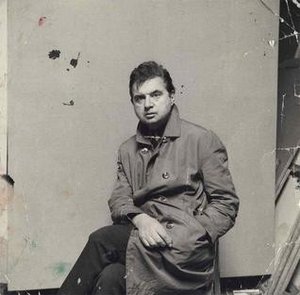
Франсис Бакън
1909 - 1992 , Ирландия
Бързи факти
- Влиятелни Художници:
- Пикасо
- Егон Шиле
- Дата На Раждане: 28 октомври 1909 г.
- Дата На Смърт: 28 април 1992 г.
- Известни Творби:
- Три изследвания...
- Поп серия
- Портрет на Джордж Дайър
- Място На Раждане: Дъблин, Ирландия
- Националност: Ирландско-британска
- Пълно Име: Франсис Бейкън
- Художествено Течение: Експресионизъм
- Художници Повлияни От Него: ['Следвоенен експресионизъм']
Всички статии
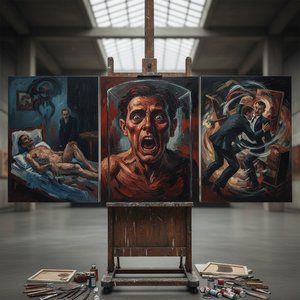
Франсис Бейкън: Топ 25 шедьовъра за ценители на изкуството и луксозен декор
Разгледайте топ 25 шедьовъра на Франсис Бейкън – експресивни портрети, триптихи и емоционални картини. Вдъхновете се за луксозен декор с модерно изкуство от OriginalUniqueArt.com! Разгледайте пълната колекция онлайн.

Топ 10 шедьовъра на абстрактния експресионизъм – изкуство за вашия дом от OriginalUniqueArt.com
Разгледайте топ 10 шедьовъра на абстрактния експресионизъм – Полък, Ротко, де Кунинг и други. Открийте историите зад тези емблематични картини и преобразете дома си с изкуство от OriginalUniqueArt.com! Разгледайте пълната колекция онлайн.

Топ 25 шедьоври на Василий Кандински: Абстрактно изкуство за вашия дом | OriginalUniqueArt.com
Разгледайте топ 25 шедьоври на Василий Кандински – пионер на абстрактното изкуство и експресионизма. Открийте историите зад цветните композиции, техниките и вдъхновението му. Купете висококачествени репродукции на картини Кандински за вашия дом на OriginalUniqueArt.com!
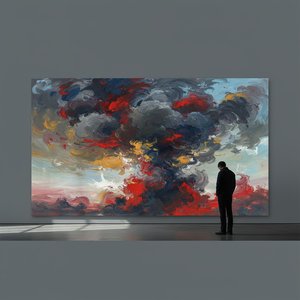
Beyond Representation: Exploring the Emotional Landscape of Abstract Expressionism
Explore the profound emotional world of Abstract Expressionism with OriginalUniqueArt. Discover key artists like Pollock & Rothko, learn about collecting, and find museum-quality reproductions to inspire your space.
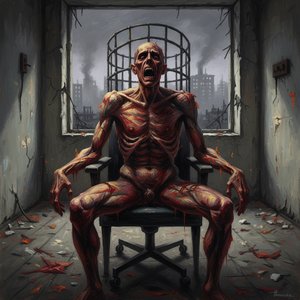
The Existential Anguish of Francis Bacon: Trauma, Form & the Post-War Condition
Explore the profound existential anguish of Francis Bacon's art. Discover how trauma shaped his iconic paintings & lasting influence on modern expressionism. A guide for discerning collectors.



