Представи си го
 Изпрати
 Сподели
 Детайли

 Изтегляне
 Подобни
 Рентгенова снимка
 Слайдшоу
 Статистика
Сусана


 Прочетете повече
Жикле / Художествен принт
Giclée печат или принт върху платно с музейно качество, бързо производство и гъвкави опции за завършен вид. ( Купете ръчно рисувана картина Превключване към дигитално изображение)




P118B $10

P118H $10

P118W $10

P438Z $10

P508JH $12

P508YH $12

P805H $10

P805Z $10

P919BZ $10

P919G $10

P919XJ $10

P959ZH $10

P968JZ $12

W106C $8

W218G $10

W218JH $8

W218Y $10

W307PJ $10

W316G $10

W316PJ $8

W316Y $10

W398PJ $8

W4111J $10

W500HY $15

W500JH $15

W692G $12

W849H $8

W940BG $15

W953PJ $8




Изберете от предварително зададените размери, които съответстват на оригиналните пропорции на произведението.

Можете да въведете собствени размери, за да паснат на конкретна рамка или пространство. Ако избраният от Вас размер не съвпада с пропорциите на оригиналното изображение, ние ще изрежем произведението или ще разширим изображението с огледален или едноцветен ръб. Дигитален макет ще бъде изпратен за Ваше одобрение преди започването на производството.
Моля, имайте предвид, че предпрегледът на екрана не отразява реалното изрязване или разширяване. Само макетът ще покаже точно финалната композиция.
Въпреки че са налични персонализирани размери, препоръчваме да изберете размер от предварително дефинирания списък, за да запазите оригиналните пропорции.
Доставка по целия свят () в рамките на 2 седмици вместо стандартните 4/5 седмици. (19 Септември)

Безплатна експресна доставка по целия свят

Висококачествено ленено платно

Пълно застраховане при доставка

Гаранция за възстановяване на митнически такси

Гаранция за цветова точност

Политика за връщане в рамките на 100 дни (само при дефекти)

100% Гаранция за връщане на парите

Предложение за отстъпка при поръчка на едро
 Стъклото е налично само в размери под 110 см

Сусана
Жикле / Художествен принт
Размер на репродукцията
-


Обща цена
$ 80
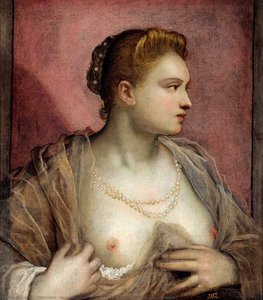
Сусана, около 1575 г.: Драматична Симфония на Светлина и Секс
Jacopo Tintoretto е един от най-впечатляващите и загадъчни творци на Ренесанса и ранната барокова епоха. Самото му прозвище – „Тинторето“ – малко изразява търговската дейност на семейството му, но то крие огромното художествено майсторство, което го отличава от всички останали. За разлика от много художници, които се възползваха от структурирани стажове, пътят на Тинторето беше предимно самоопределяващ се, подхранван от неугасима любопитство и безмилостна амбиция за иновации. Въпреки кратката му неуспешна среща с Тициан – признат майстор на венецианския колористичен стил – изглежда преживяването е било по-спорен от формиращ се, което подтикна Тинторето към независим курс, характеризиращ се с дръзки експерименти и уникален динамичен стил. Той се потопи в анатомично изучаване, репортирайки резултатите си със забележителна точност и прецизност.- Тема: Картината разказва историята на Сусана – библейски персонаж, обвинен от двама старши мъже в Ерусалим във връзка извън брака. Сцената е изпълнена с драматична енергия и подчертана от използването на светлина и сянка.
- Стил: Тинторето е известен със своя драматичен стил, който се отличава от традиционния ренесансов подход към композицията и перспективата. Той използва ярки цветове и контрастни тонове за създаване на въздействие и емоционална дълбочина.
- Техника: Тинторето използва техниката маслена живопис върху дървена дъска, което му позволява да постигне невероятно богатство на текстури и цветове. Използването на сложни слоеве от мастило и лак придава на картината дълбочина и реалистичност.
Символизъм и Емоционален Ефект
Картината е изпълнена със символичен заряд, които препращат към теми като морална чистота, грехопадение и спасение. Сусана е изобразена в момент на уязвимост и страдание, но също така и с достойнство и сила. Светлината играе ключова роля в създаването на атмосфера на мистерия и драматизъм, подчертавайки контраста между доброто и злото. Използването на светлина и сянка е характерно за бароковата художествена традиция и служи за усилване на емоционално въздействие върху зрителя.Исторически Контекст
Картината е създадена през периода на ранния Барок, когато венецианската художествена школа преживява своя връх. Тинторето е един от най-значимите представители на този период и неговите творби са повлияни от религиозните и политически събития на времето. Картината е част от богата колекция от произведения на изкуството, които разказват истории за библейски герои и морални уроци. Тя е пример за високата художествена култура на Ренесанса и ранната Барокова епоха.Защо да Изберете Репродукция?
Репродукцията на „Сусана“ от Тинторето предлага възможност да се насладите на красотата и дълбочината на този шедьовър на изкуството във вашата дом или офис. Предлага се висококачествено изпълнение с използване на съвременни технологии за възстановяване на оригиналните цветове и текстури. Това е чудесен начин да добавите елемент от историята и културата на Ренесанса към интериора си и да бъдете впечатлени от майсторството на един от най-великите художници на всички времена.Биография на художника
A Venetian Master of Drama and Light
Jacopo Tintoretto, born Jacopo Robusti in Venice around 1518, remains one of the most compelling and enigmatic figures of the High Renaissance and early Baroque periods. His very nickname, “Tintoretto” – little dyer – speaks to his family’s trade, yet it belies the immense artistry that would distinguish him from all others. Unlike many artists who benefited from structured apprenticeships, Tintoretto's path was largely self-directed, fueled by an insatiable curiosity and a relentless drive for innovation. While accounts suggest a brief and unsuccessful stint under Titian, the acknowledged master of Venetian colorism, it seems the experience proved more contentious than formative. Titian’s alleged dismissal of the young Jacopo – whether due to jealousy or artistic disagreement – spurred Tintoretto toward an independent course, one characterized by audacious experimentation and a uniquely dynamic style. He immersed himself in anatomical study, reportedly through dissection, and honed his skills by meticulously copying classical sculpture and the works of other masters. This dedication laid the foundation for a career that would redefine Venetian painting.Forging a Distinctive Style: *Il Furioso*
Tintoretto’s artistic development was marked by an almost feverish energy, earning him another evocative nickname: *Il Furioso* – “the Furious One.” This moniker wasn't merely descriptive of his working pace but also captured the intensity and emotional charge that permeated his canvases. His early works already hinted at a departure from traditional Venetian conventions. While acknowledging Titian’s influence in color, Tintoretto gravitated towards Michelangelo’s powerful figures and dramatic compositions. He synthesized these influences into something entirely new: a style characterized by elongated forms, swirling draperies, and an innovative use of perspective that often created a sense of dizzying depth and movement. He abandoned the meticulous finish favored by his contemporaries, opting instead for a rapid, almost sketch-like brushstroke that conveyed immediacy and raw emotion. This technique, combined with his masterful manipulation of light and shadow – *chiaroscuro* – allowed him to create scenes of unparalleled drama and psychological intensity. He wasn’t simply depicting events; he was conveying their emotional core. His compositions were often asymmetrical and dynamic, creating a sense of movement and instability that reflected the turbulent spirit of the age.Monumental Achievements: San Rocco and Beyond
Tintoretto's prodigious output spanned decades, encompassing religious narratives, historical allegories, and portraits. However, his most significant achievement lies in the cycle of paintings he created for the Scuola Grande di San Rocco, a Venetian confraternity dedicated to Saint Roch. Over a period of more than fifty years, Tintoretto adorned the Scuola’s halls with over sixty canvases, transforming it into a breathtaking visual testament to faith and human experience. Works like “The Last Supper,” completed late in his life, demonstrate his continued experimentation with perspective and composition. Departing from traditional depictions, Tintoretto placed the scene in a dramatically lit, architecturally unstable space, emphasizing the emotional turmoil of Christ’s final meal with his disciples. Other notable works include “The Miracle of St Mark Freeing the Slave,” a powerful display of dynamic composition and foreshortening, and numerous paintings for Venetian churches and palaces that showcase his mastery of scale and narrative storytelling. These monumental projects cemented Tintoretto's reputation as one of Venice’s most important artists.Influences and Artistic Connections
Tintoretto’s artistic journey was shaped by a complex interplay of influences. As mentioned, Titian undoubtedly provided an initial foundation in color and technique, though their relationship remained strained. Michelangelo’s dynamism and anatomical precision served as another crucial inspiration, while the works of classical sculpture profoundly impacted his understanding of form and composition. He also studied the works of other Venetian masters, such as Paolo Veronese, absorbing their techniques and stylistic approaches. However, Tintoretto ultimately forged a unique path, developing a style that was distinctly his own—a synthesis of these diverse influences into something powerfully original. His work reflects not only the religious fervor and political tensions of his time but also a uniquely personal vision that continues to resonate with audiences today.Legacy and Historical Significance
Jacopo Tintoretto died in Venice in 1594, leaving behind a vast and influential body of work. He bridged the gap between the High Renaissance and the Baroque period, anticipating many of the stylistic innovations that would define the latter. His dramatic compositions, expressive brushwork, and innovative use of light and shadow profoundly influenced artists such as Caravaggio, Rembrandt, and Delacroix. He wasn’t merely a painter; he was a visual storyteller who understood how to harness the power of art to evoke emotion and inspire awe. As one of the three great Venetian painters of the 16th century – alongside Titian and Paolo Veronese – Tintoretto played a crucial role in shaping the artistic landscape of Venice during its golden age. His work reflects not only the religious fervor and political tensions of his time but also a uniquely personal vision that continues to resonate with audiences today, solidifying his place as one of history’s most important and captivating artists. His legacy is a testament to the enduring power of artistic innovation and the transformative potential of human creativity.
Джакопо Тиньорето
1518 - 1594 , Италия
Бързи факти
- Artistic Movement Or Style: Ренесанс, Маниеризъм
- Artists Or Movements Influenced By This Artist:
- Карважо
- Барок
- Artists Who Influenced This Artist:
- Титациано
- Микеланджело
- Date Of Birth: 1518
- Date Of Death: 1594
- Full Name: Jacopo Robusti
- Nationality: Италианец
- Notable Artworks:
- Чудо на св. Марк
- Последна трапеза
- Възнесение Девичи
- Place Of Birth: Венеция, Италия
Всички статии

The Dramatic Flourish: Exploring the Baroque Movement's Enduring Legacy in Art History
Explore the dramatic world of Baroque art! Discover iconic artists like Caravaggio & Rubens, defining techniques, and its lasting impact on art history. Expert insights for collectors & enthusiasts at OriginalUniqueArt.

Топ 10 шедьоври на Барока: История, артисти и великолепие за вашия дом
Разгледайте 10 шедьовъра на Барока от Караваджо, Рембрандт и Рубенс! Открийте историите зад тези емблематични картини и скулптури. Вдъхновете се за вашия интериор с OriginalUniqueArt.com – луксозни репродукции и изкуство за дома.

Топ 25 шедьовъра на Якопо Тинторето: Драма, светлина и величие в изкуството
Разгледайте топ 25 шедьовъра на Якопо Тинторето – венециански ренесанс, драматизъм и чиароскуро. Открийте историите зад картините му и преобразете дома си с луксозни репродукции от OriginalUniqueArt.com!

The Visceral Stage: Exploring Dramatic Narratives & Emotional Intensity in Baroque Art
Explore the dramatic world of Baroque art! Discover iconic masters like Caravaggio & Rembrandt, their techniques, and the movement's lasting impact. Expert insights for collectors & enthusiasts at OriginalUniqueArt.

Барокова Драма: Изкуството, Което Внася Величие в Дома
Открийте великолепието на бароковия стил! Разгледайте историята, изкуството и интериорните решения, вдъхновени от епохата. Съвети за създаване на разкошен дом.