
 Преглед в реален мащаб
 Сподели
 Сподели
 Подробности
 Ръководство

 Изтегляне
 Подобни артикули
 Рентгенова снимка
 Слайдшоу
 Статистика
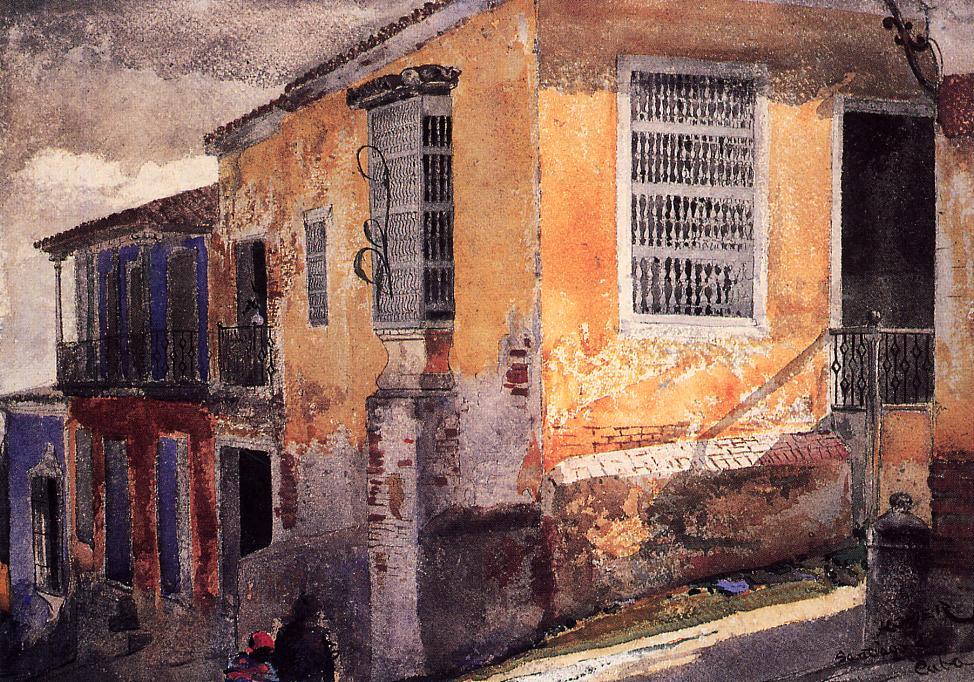
Улична кръстопът, Сантяго де Куба


 Разгърни целия текст
Закупете дигитално изображение с висока резолюция и подобрени характеристики, значително по-качествено от онлайн прегледа.
Всеки файл е щателно подготвен от нашите специалисти с помощта на съвременни инструменти и експертен ръчен ретуш. Гарантираме, че всяко изображение притежава изключителна яснота, прецизна цветова точност и фини детайли.
Окончателният файл се доставя по имейл в рамките на 72 часа, оптимизиран за незабавна употреба в професионални, редакционни и печатни среди. Това е същото качество, на което се доверяват водещи дизайнерски студия, издатели и галерии.
Дигитално изображение
Изтеглете файл с висока резолюция за лично съхранение, принтиране и творчески проекти. ( Избор на принт Поръчайте ръчно рисувано репродукция на този колекционерски предмет)
Включено във всяка поръчка за дигитални изображения
Експертна дигитална доставка, гарантирана
Избирайки OriginalUniqueArt.com, вие не получавате просто изображение – вие придобивате професионално обработена дигитална творба, създадена с прецизност и подкрепена от гаранция за удовлетворение. Ето какво автоматично е включено във вашата поръчка:

Бърза доставка по имейл
Вашето дигитално изображение с висока резолюция ще бъде изпратено по имейл в рамките на 72 часа от поръчката – готово за незабавно използване.

Дигитален файл с подобрено качество чрез ИИ
Вашата картина е професионално оптимизирана с помощта на усъвършенствани инструменти за изкуствен интелект и ръчна редакция, осигурявайки максимална детайлност, яснота и точност на цветовете.

Безплатна доживотна повторна доставка
Изгубили сте или сте изтрили файла си по погрешка? Не се притеснявайте – ще го изпратим отново на Вас по всяко време, безплатно.

Без митнически такси – завинаги
Насладете се на вашето произведение незабавно, без мита, данъци или такси за доставка – дигиталните изтегляния винаги са освободени от данъци.

Гаранция за точност на цветовете
Гарантираме, че вашето дигитално изображение отразява оригиналните цветове възможно най-точно, чрез използването на професионални инструменти и системи за управление на цветовете.

100-дневна гаранция за удовлетвореност
Ако не сте доволни от вашето дигитално изображение, ще го преработим или ще възстановим 100% от сумата в рамките на 100 дни – без излишни въпроси.

100% Гаранция за връщане на сумата
Не сте доволни? Получете пълен възврат на сумата в рамките на 100 дни от получаването на вашия цифров файл – без излишни въпроси.

Отстъпки за големи поръчки
Купете 3 изображения, спестете 10% - Купете 5, спестете 15% - Купете 10+, спестете 20%. Идеално за творчески проекти, галерии и агенства.
A Vibrant Snapshot of Daily Life
Winslow Homer's “Street Corner, Santiago de Cuba,” painted in 1885 and currently residing within the Museum of Fine Arts (Boston), is more than just a depiction of a street scene; it’s a captivating portal into a specific moment in time – a vibrant slice of Cuban life as observed by an American artist immersed in its rhythms. Homer, renowned for his ability to capture both the grandeur of nature and the intimacy of human experience, masterfully employs watercolor to create a dynamic tableau brimming with activity and character. The painting immediately draws the eye with its bold palette: the dominant yellow of the building provides a warm backdrop against which the diverse figures and details unfold. It’s not merely a record of a street; it's an invitation into a bustling, living space.
(Image of the artwork)
Composition and the Language of Watercolor
The composition itself is a testament to Homer’s skill. The arrangement isn't rigidly formal; instead, it feels spontaneous, mirroring the energy of the street corner. A striking yellow building with a balcony anchors the scene on one side, while a collection of individuals occupies the foreground and midground – a young man standing near the left edge, two others engaged in conversation closer to the center. The inclusion of a bicycle parked on the right and a motorcycle glimpsed in the lower-left corner adds further layers of detail and realism, grounding the scene in the everyday practicality of the time. Homer’s masterful use of watercolor is particularly noteworthy. He achieves remarkable luminosity and fluidity, capturing the fleeting effects of light and shadow with an almost impressionistic touch. The loose brushstrokes contribute to a sense of immediacy, as if we are witnessing this moment unfold before our eyes.
A Journey Inspired: Homer’s Cuban Sojourn
“Street Corner, Santiago de Cuba” is part of a series of watercolors that Homer created during his 1885 trip to Cuba. This journey proved profoundly influential on his artistic development. Prior to this expedition, Homer primarily focused on landscapes and marine subjects. However, the vibrant colors, diverse cultures, and bustling urban environments of Cuba ignited a new passion within him. The painting reflects not just a visual record but also an emotional response – a fascination with the tropical landscape and the rich cultural tapestry of the region. The architecture, particularly the yellow building, is distinctly Cuban, hinting at Homer’s deliberate attempt to integrate elements of this newfound environment into his work.
Realism Meets Fluidity: A Defining Style
Homer's style in “Street Corner” exemplifies his signature blend of realism and fluidity. He meticulously observes the details – the clothing, the postures, the expressions on the faces of the passersby – yet he renders them with a remarkable sense of spontaneity and movement. The watercolor medium allows for this effect beautifully; the colors bleed into one another, creating soft transitions and suggesting the constant flow of activity within the scene. This combination of precise observation and expressive brushwork is what defines Homer’s distinctive style and makes his work so enduringly captivating. It's a testament to his ability to capture not just *what* he saw but also *how* it felt.
Beyond the Canvas: Legacy and Influence
“Street Corner, Santiago de Cuba” stands as a significant contribution to American art history, showcasing Homer’s innovative approach to watercolor painting and his ability to capture the essence of diverse environments. It continues to inspire artists and art enthusiasts alike, offering insights into the evolution of American art during the late 19th century. For those interested in exploring more of Winslow Homer's works, reproductions like those offered on OriginalUniqueArt.com – including “Customs House, Santiago de Cuba” and “The Red Canoe” – provide a valuable opportunity to delve deeper into his artistic vision. Furthermore, a visit to the Museo Nacional de Bellas Artes de La Habana (Cuba) offers a comprehensive understanding of Cuban art from colonial times to contemporary generations.
Биография на художника
Winslow Homer: A Brush With the American Spirit
Winslow Homer, born in Boston in 1836, wasn’t sculpted by the traditional European art academies that shaped so many of his contemporaries. Instead, he emerged from a distinctly American experience, one rooted in practicality and observation. His journey began not with grand historical canvases, but as a commercial illustrator at the tender age of twelve for Harper's Weekly. This early apprenticeship was formative, honing an exceptional ability to capture scenes with clarity and detail – skills that would become hallmarks of his mature work. He wasn’t learning perspective in Paris; he was learning to *see* America, its people, and its unfolding story. The bustling streets of Boston, the quiet dignity of rural New England life, these were his first subjects, rendered with a precision born of necessity for the demands of print media. This foundation allowed him to transition into painting, initially in watercolor, before fully embracing the expressive potential of oil paints.From Pastoral Scenes to the Raw Power of Nature
Homer’s early paintings often depicted idyllic scenes – children playing, farmers tending their fields, quiet moments of domesticity. These works, while charming, hinted at a deeper artistic sensibility waiting to be unleashed. The catalyst for this transformation was undoubtedly the Civil War. As a war correspondent for Harper's Weekly, Homer witnessed firsthand the brutal realities of conflict. He didn’t focus on heroic battles or grand strategies; instead, he documented the everyday lives of soldiers and civilians, the quiet moments of grief and resilience amidst chaos. This experience profoundly altered his artistic vision. The pastoral scenes gave way to more challenging subjects: veterans grappling with trauma, freed slaves navigating a new world, and the stark beauty of landscapes touched by hardship. He began to explore themes of struggle, isolation, and humanity’s precar He wasn't interested in imitating European styles; he wanted to create an art that was uniquely American, reflecting its landscapes, its people, and its challenges. His style also evolved, becoming bolder and more direct, reflecting the raw emotional impact of what he had witnessed. Breezing Up (A Fair Wind), painted in 1876, exemplifies this skill – a quintessential depiction of American maritime life, brimming with energy and movement. The Gulf Stream, created decades later, is perhaps his most iconic work, a powerful and symbolic portrayal of a lone man battling the forces of nature, a metaphor for human struggle against overwhelming odds. He wasn’t simply painting what he saw; he was conveying a feeling, an emotional truth about the human condition.Mastering Light, Texture, and the American Landscape
Winslow Homer's artistic technique is immediately recognizable for its solidity and texture. He wasn’t interested in fleeting impressions; he wanted to build up a sense of tangible reality on the canvas. His oil paintings are characterized by a direct painting approach – layers of paint applied with confidence, creating depth and luminosity. He possessed an extraordinary ability to capture light, whether it was the dazzling glare of the sun on the ocean or the soft glow of twilight over a rural landscape. This mastery extended to his watercolors, where he achieved remarkable atmospheric effects through vibrant colors and delicate washes. Innocence, a poignant portrayal of childhood set against the backdrop of nature, and Man of Science, demonstrating his skill in capturing human psychology, are testaments to this commitment.A Legacy Forged in American Realism
Winslow Homer's art offers a profound window into 19th-century America, providing invaluable insights into the social, political, and cultural landscape of his time. His paintings are not merely beautiful representations; they are powerful statements about human resilience, the beauty and power of nature, and the complexities of the American experience. He died in 1910, leaving behind a prolific body of work that continues to resonate with audiences today. His ability to depict America with honesty and authenticity, without romanticizing or idealizing it. He wasn’t interested in imitating European styles; he wanted to create an art that was uniquely American, reflecting its landscapes, its people, and its challenges. His influence can be seen in the work of later American painters who sought to depict their own country with similar directness and emotional depth.- His work continues to inspire contemporary artists.
- Homer remains a pivotal figure in the development of American Realism.
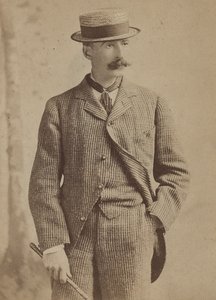
Уинслоу Хомър
1836 - 1910 , Съединени американски щати
Кратка информация
- Artistic Movement Or Style: Американски реализъм
- Artists Or Movements Influenced By This Artist: ['Американски художници']
- Artists Who Influenced This Artist:
- Барбизонската школа
- Курбет
- Милет
- Date Of Birth: Октомври 3, 1836 г.
- Date Of Death: 1910 г.
- Full Name: Winslow Homer
- Nationality: Американски
- Notable Artworks:
- Бризът
- Теченията
- Невинност
- Place Of Birth: Бостън, САЩ