Romanticism · 1820
Prometheus (Уилям Ети, 1820)
Уилям Ети (1787–1849) създаде Prometheus. Датира от 1820. Това произведение принадлежи към движението Romanticism. Изdelano е от Oil. Размерите са 71 × 78 cm.
- 1820
- Oil
- 71 × 78 cm

 Преглед в реален мащаб

 Ръчно изработена маслена картина
 Изпрати
 Сподели
 Информационен лист


 Изтегляне
 Подобни артикули
 Рентгенова снимка
 Слайдшоу
 Въпроси и отговори

 Статистика
Prometheus накратко
- Заглавие
- Prometheus
- Художник
- Уилям Ети (1787–1849)
- Роден в
- Йорк, Обединено кралство
- Дата
- 1820
- Техника
- Oil
- Размери
- 71 × 78 cm
- Движение
- Romanticism
- Епоха
- 19th Century
- Предмет
- prometheus, mythology, nude, classical myth, suffering, manhood
Какво е изобразено в Prometheus?
The Agony and the Flame: Reimagining a Mythic Torment
In the visceral masterpiece Prometheus, painted in 1820, William Etty invites us into a scene of profound mythological suffering and raw human vulnerability. The canvas captures the Titan at his most precarious moment, bound to the unforgiving stone as a consequence of his defiance against the gods. There is an immediate, jarring intensity to the composition; the figure lies sprawled across the earth, his body a landscape of tension and physical trauma. Etty does not shy away from the grotesque or the harrowing details of the myth, presenting a subject that is simultaneously heroic and broken. The presence of the bow and arrow piercing the flesh serves as a brutal reminder of the divine retribution being visited upon him, creating a narrative of sacrifice that resonates far beyond the borders of ancient Greek lore.
The technique employed by Etty reveals his status as a pioneer of the British nude, utilizing a mastery of light and shadow to sculpt the musculature of the protagonist. The flesh tones are rendered with a remarkable sensitivity, capturing the flush of pain and the pallor of exhaustion. Through fluid brushwork and a sophisticated understanding of anatomical form, Etty breathes life into the inanimate rock and the surrounding atmosphere. The interplay between the stark, rugged background and the soft, vulnerable curves of the human form creates a dramatic chiaroscuro effect that draws the eye directly to the center of the struggle. This mastery of texture—from the cold hardness of the stone to the warmth of the skin—makes the piece an extraordinary specimen of early 19th-century Romanticism.
A Symphony of Symbolism and Emotional Depth
Beyond the immediate shock of the imagery, Prometheus functions as a profound meditation on the cost of knowledge and the spirit of rebellion. To the discerning collector, the painting offers more than just a depiction of myth; it is an exploration of the human condition under duress. The isolation of the figure, set against a landscape that feels both vast and claustrophobic, symbolizes the lonely burden of those who dare to challenge established powers. Every element, from the positioning of the limbs to the distant, watchful presence of another figure, contributes to a sense of inescapable fate. It is a work that demands emotional engagement, pulling the viewer into a state of empathy for the Titan’s eternal struggle.
For interior designers and connoisseurs of fine art, this reproduction offers a commanding presence capable of anchoring a room with its historical weight and dramatic flair. The painting's rich palette and intense subject matter make it an ideal centerpiece for collections that value narrative depth and classical grandeur. Whether placed in a study filled with leather-bound volumes or a contemporary gallery space, the work serves as a conversation piece that bridges the gap between the ancient past and the modern aesthetic. Owning a high-quality reproduction of this Etty masterpiece allows one to preserve a fragment of Romantic history, bringing the timeless tension of Prometheus's sacrifice into the intimate setting of a private home.
Изображения с висока резолюция на Prometheus

Обществено достояние: художникът е починал през 1849 г.
Други размери, кадриране и цитиране →Уилям Ети, Prometheus (1820). Обществено достояние
Отговори на въпроси относно Prometheus
В коя година е създадено „Prometheus“ на Уилям Ети?
"Prometheus" датира от 1820. Тази дата поставя произведението в контекста на кариерата на Уилям Ети и неговата епоха.
Каква техника е използвана за „Prometheus“ на Уилям Ети?
Техниката на „Prometheus“ на Уилям Ети е Oil. Репродукциите са предназначени да предадат визуалния ефект на тази техника.
Какви са размерите на оригиналния „Prometheus“ на Уилям Ети?
Размерите на оригиналното произведение "Prometheus" са 71 x 78 cm. Оригиналните размери са полезен ориентир при избора на размер на репродукцията.
Каква е темата на "Prometheus"?
Темите, представени в „Prometheus“ на Уилям Ети, включват prometheus, mythology, nude, classical myth, suffering, manhood, greek mythology. Заедно те обобщават съдържанието на произведението.
Свободен ли е от авторско право "Prometheus"?
Що се отнася до авторското право, „Prometheus“ е в в обществено достояние – авторското право е изтекло.
На кой художник се приписва "Prometheus"?
„Prometheus“ е създадена от Уилям Ети. Информацията на тази страница описва оригиналната творба на Уилям Ети.
Към кое художествено направление принадлежи „Prometheus“ на Уилям Ети?
„Prometheus“ на Уилям Ети принадлежи към художественото направление Romanticism. Това движение определя стилистичния контекст на произведението.
Коя е фазата от творческия път на Уилям Ети, която представлява „Prometheus“?
В рамките на кариерата на Уилям Ети, „Prometheus“ принадлежи към периода Early Period. Тази фаза позволява да се направи сравнение с другите творби на художника.
На каква възраст е бил Уилям Ети, когато е създадена „Prometheus“?
Уилям Ети е бил на 33 години, когато създава „Prometheus“ през 1820. Възрастта е изчислена въз основа на годината на раждане на художника, 1787.
За художника Уилям Ети

1787–1849, Обединено кралство
Уилям Ети
Ранният живот и обучението на Уилям Ети За да разберем техническата прецизност на Уилям Ети, трябва да погледнем отвъд скандалите около неговите по-късни сюжети и да се вгледаме в неговото дисциплинирано, почти механично начало. Роден на 10 март 1787 г. в Йорк, Обединено кралство, той е седмото дете на Матю и Естер Ети. Пътят му към висшето изкуство не е бил нито внезапен, нито интуитивен; вместо това той е изкован чрез строгата структура на занаята.
Други творби на Уилям Ети
 Сирените и Улисей
 Кандал, цар на Лидия, тайно показва съпругата си на Гигес, един от министрите му, докато тя отива да легне1830
 Славянка от Гърция1812
 Венера и Купидон
Есеи по темата Prometheus
 Echoes of Anguish: Exploring the Depths of Human Sorrow in Fine ArtExplore the profound history of grief through Baroque and Post-Impressionist masters. Discover the emotional depth of art today.
 Unveiling the Dreamer: The 25 Most Iconic Masterpieces by Gustave MoreauStep into the mystical world of Gustave Moreau. Explore 25 iconic Symbolist masterpieces, from mythic tales to ethereal dreamscapes. Find i…
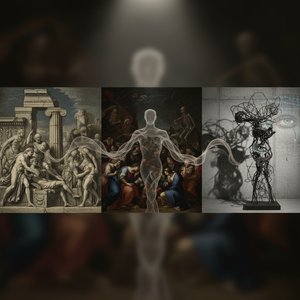 Echoes of Anguish: Representing Human Suffering in Art Across Historical ContextsExplore the powerful history of representing human suffering in art. From ancient myths to modern masterpieces, discover how artists have c…