период
движение
атмосфера
теми
- Academic study of a man, half-length; Study of a kneeling male nude; Study of a
- Two Figure Studies, One Nude and the Other Clothed with a Putto in His Arms (for “Madonna del Popolo”, Firenze, Galleria degli Uffizi); Drapery Studies
- Study of a Lion and Study of a Lioness' Head
- Two Figure Studies, One Nude and the Other Clothed with a Putto in His Arms (for “Madonna del Popolo”, Firenze, Galleria degli Uffizi); Drapery Studies
- Изследване на ръцете (различни изследвания)
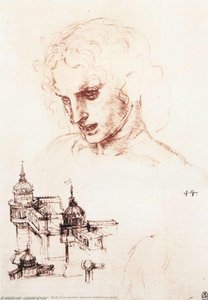
- Изучение на главата на апостол и архитектурно изследване
- Drapery Study. Study for Semiramis Building Babylon
- Partial Study of Two Nude Male Figures, One with Raised Arm, the Other on the Ground and Leg and Arm Studies of the First One (for “Martyrdom of Saint Vitalis”, Milano, Pinacoteca di Brera)
- Partial Study of Two Nude Male Figures, One with Raised Arm, the Other on the Ground and Leg and Arm Studies of the First One (for “Martyrdom of Saint Vitalis”, Milano, Pinacoteca di Brera)
- Cloaked Male Figure and Studies of His Left Leg; Drapery Studies (for “Calling of Saint Andrew”, Bruxelles, Musées royaux des Beaux-Arts de Belgique)
- Study of a Ballet Dancer (recto); Two Studies of Dancers (verso)
- Study of a Female Figure in Profile, with Related Studies of a Hat and Right Hand
- Study of a Woman Spinning and Five Studies of Hands




ключови думи
тон
основен цвят

друго
- Reclining Girl (Juliet); Two Studies of Hands (Study for
- A Male Nude Study; And A Female Nude Study
- Study for Cinematic Mural, Study VII
- Study for composition no. 7 Study for a panel for the Como Sailing Club in Como
- Cloaked Male Figure and Studies of His Left Leg; Drapery Studies (for “Calling of Saint Andrew”, Bruxelles, Musées royaux des Beaux-Arts de Belgique)
- Four works: Figure studies from Sonnino, Italy; Figure studies; Gothic pillar; Landscape study
- Study for Madonna Enthroned with Saints, study of figures, and study of Hagar and her son Ishmael
- Study for a Tapestry (study for Spatial Ikat III)
- Study for a Painting (Compositional Study)
- Начертание на стар човек – Начертание на вода