

 Преглед в реален мащаб
 Сподели
 Сподели
 Подробности
 Ръководство

 Изтегляне
 Подобни артикули
 Рентгенова снимка
 Слайдшоу
 Статистика
Сакайчо

 Разгърни целия текст
Ръчно изработена маслена репродукция
Ръчно рисувана маслена картина върху платно във вашия размер и рамка, изработена по поръчка от нашите художници. ( Избор на принт Превключване към дигитално изображение)




P118B $10

P118H $10

P118W $10

P438Z $10

P508JH $12

P508YH $12

P805H $10

P805Z $10

P919BZ $10

P919G $10

P919XJ $10

P959ZH $10

P968JZ $12

W106C $8

W218G $10

W218JH $8

W218Y $10

W307PJ $10

W316G $10

W316PJ $8

W316Y $10

W398PJ $8

W4111J $10

W500HY $15

W500JH $15

W692G $12

W849H $8

W940BG $15

W953PJ $8




Изберете от нашите предварително зададени размери, които съответстват на оригиналните пропорции на произведението.

Можете да въведете свои собствени размери, за да паснат на конкретна рамка или пространство. Ако избраният от вас размер не съответства на пропорциите на оригиналното изображение, ние ще изрежем произведението или ще разширим картината с допълнителни ръчно рисувани елементи. Дигитален макет ще бъде изпратен за ваше одобрение преди започване на производството.
Моля, обърнете внимание, че предпрогледа на екрана не отразява действителното изрязване или разширяване. Само макетът ще покаже точно финалната композиция.
Въпреки че са налични персонализирани размери, препоръчваме да изберете размер от предварително дефинирания списък, за да запазите оригиналните пропорции.
След получаване на поръчка, екипът на OriginalUniqueArt.com ще изпрати имейл до клиента с инструкции и ще предостави примерен макет за преглед.
Доставка по целия свят () в рамките на 3-4 седмици вместо стандартните 5 седмици. (20 Септември). Без компромис с качеството.

Безплатна експресна доставка по целия свят

Висококачествено ленено платно

Пълно застраховане на доставката

Гаранция за възстановяване на митнически такси

Гаранция за пълно съответствие на цветовете

Политика за връщане в рамките на 100 дни (само при дефекти)

100% Гаранция за връщане на сумата

Отстъпка при поръчка на повече произведения
 Опцията със стъкло е налична само за размери под 110 см

Сакайчо
Техника на репродукция
Размер на репродукцията
-


Крайна цена
$ 300
Сайкай-чо: Едно Икона на Японското Изкуство от Кацушика Хокусай
Сайкай-чо е дървесен блок принц, създаден през периода Едо (1760-1849 г.) от великия японски художник Кацушика Хокусай и представлява една от най-известните творби на този майстор. Това произведение изобразява оживена сцена в градски улици на Токио, която е изпълнена с динамична композиция и прецизни детайли, характерни за стила на укийо-е – японското изкуство от края на Едо и началото на Мейдзи. Хокусай е известен със своите пейзажни изображения и умение да улови мимолетната красота на природата, но Сайкай-чо се отличава с особен символизъм и дълбоко въздействие върху зрителя.- Тема: Природна сцена – градски улици и околина.
- Стил: Укийо-е – японско изкуство от края на Едо и началото на Мейдзи, което се характеризира с прецизни линии и ярки цветове.
- Техника: Дървесен блок принц – Хокусай използва техниката дървесен блок принц, която включва рязане на дърво в сложни форми и използване на мастило върху тези форми за създаване на многократно възпроизводими изображения.
- Символизъм: Часовниковата кула символизира властта и стабилността на правителството, а птицата над улиците представлява свободата и надеждата за бъдещето.
Биография на художника
Katsushika Hokusai: A Life Etched in Ink
Katsushika Hokusai, a name that resonates deeply within the world of art and inextricably linked to the iconic image of *The Great Wave off Kanagawa*, was far more than simply a master printmaker. Born in Edo (modern-day Tokyo) around 1760, his life unfolded as an extraordinary journey—a relentless pursuit of artistic mastery characterized by constant evolution, shifting names, and an insatiable curiosity about the world around him. From humble beginnings as the son of a mirror maker, Hokusai’s early inclination towards art wasn't immediately nurtured; however, he pursued it with unwavering dedication, reportedly beginning to draw at the tender age of six. This steadfast commitment would ultimately define a career spanning nearly nine decades, leaving behind a legacy that continues to captivate and inspire audiences globally. His father, Nakajima Ise, while not himself an artist, recognized and perhaps fostered this nascent talent, providing the initial spark for a transformative journey that reshaped Japanese visual culture. Hokusai’s early life was marked by simplicity rather than privilege—a steady climb fueled by ambition and a profound passion to capture the essence of existence in all its fleeting beauty.From Apprenticeship to Innovation: The Blossoming of a Style
Hokusai's formal artistic training commenced at the age of twelve when he entered the prestigious studio of Katsukawa Shunshō, a leading luminary within the *ukiyo-e* (pictures of the floating world) tradition. This genre, immensely popular during the Edo period, served as a vibrant mirror reflecting the daily lives of people in Japan—depicting actors performing at Kabuki theaters, elegant courtesans, captivating landscapes, and glimpses into the bustling urban culture of the time. Under Shunshō’s tutelage, Hokusai honed his skills in woodblock printing – a demanding craft requiring exceptional precision and artistic flair. However, he possessed an innate restlessness, a spirit that yearned to transcend mere replication; even in his early works, evidence of this desire for innovation was apparent—a yearning to push boundaries and explore new avenues of expression. He experimented with diverse subjects, venturing beyond the traditional confines of *ukiyo-e* to include book illustrations and single-sheet prints, constantly refining his techniques and developing a uniquely recognizable visual language. This period also witnessed the first in a series of name changes – a common practice among Japanese artists of the era signifying shifts in artistic focus or affiliations with different schools. Initially, he focused on illustrating books, providing him with valuable experience and solidifying his compositional skills.Mount Fuji and the Floating World: Defining Masterpieces
Hokusai’s artistic output was astonishingly prolific—tens of thousands of woodblock prints, paintings, and illustrated books bear his signature. While he explored a vast array of subjects, it was his series *Thirty-Six Views of Mount Fuji* (circa 1831) that cemented his enduring fame. This collection, featuring the instantly recognizable *The Great Wave off Kanagawa*, wasn’t simply a depiction of a landscape; it was a masterful exploration of perspective, composition, and the raw power of nature. The wave itself—a towering, dynamic force poised to crash down upon tiny boats – embodies both the breathtaking beauty and the underlying terror inherent in the sea. Beyond *Fuji*, works such as *Fireworks at Ryōgoku Bridge* (1790) demonstrated his remarkable ability to capture the energy and dynamism of everyday life with incredible detail and immediacy. His *Hokusai Manga*—a collection of sketches and studies encompassing people, animals, landscapes, and fantastical creatures – was groundbreaking in its scope and influence, foreshadowing the development of modern manga as an art form. These works weren’t isolated achievements; they were milestones in a continuous artistic journey, each building upon the last to create a body of work that is both deeply rooted in Japanese tradition and remarkably innovative.A Legacy Beyond Borders: Hokusai's Enduring Influence
Hokusai’s impact extended far beyond Japan’s borders. As Japan cautiously opened its doors to the West during the late 19th century, *ukiyo-e* prints flooded European markets, sparking a phenomenon known as *Japonisme*. Artists such as Claude Monet, Edgar Degas, and Vincent van Gogh were profoundly captivated by Hokusai’s bold compositions, vibrant colors, and unconventional perspectives. Van Gogh, in particular, was deeply influenced by *The Great Wave*, even recreating it in his own paintings, imbuing it with a sense of turbulent emotion. Hokusai's influence wasn't limited to Impressionism; it permeated various modern art movements, shaping the way artists approached composition, color palettes, and subject matter. His emphasis on capturing fleeting moments, his dynamic use of line, and his ability to find beauty in the mundane resonated with a generation of artists seeking new forms of expression. Even today, Hokusai’s work continues to inspire and challenge artists around the world, solidifying his place as one of the most significant figures in art history. He continued painting until his death in 1849 at the age of 89, leaving behind a vast body of work that stands as a testament to his unwavering dedication and artistic genius.The Old Man Mad About Painting
Hokusai’s life was one of constant reinvention, marked by numerous name changes—over thirty throughout his career—each reflecting a new phase in his artistic development. He often referred to himself as “Gakyō Rōjin,” or "Old Man Crazy to Paint," a fitting title for an artist who remained passionately devoted to his craft well into his eighties. This relentless pursuit of perfection, coupled with his innovative spirit and profound understanding of both Japanese tradition and the wider world, cemented Hokusai’s legacy as a true master of *ukiyo-e* and a pivotal figure in the history of art. His work continues to captivate audiences, reminding us of the power of art to transcend cultural boundaries and connect us to something larger than ourselves.- Major Influences: Ukiyo-e traditions, Chinese landscape painting, everyday life in Edo.
- Key Characteristics: Bold lines, vibrant colors, dynamic compositions, keen observation of nature.

Хокусай
1760 - 1849 , Япония
Бързи факти
- Artistic Movement Or Style: *Ukiyo-e*
- Artists Or Movements Influenced By This Artist: ['Импресионизъм']
- Artists Who Influenced This Artist: ['Китайски пейзажисти']
- Date Of Birth: 1760-10-31
- Full Name: Katsushika Hokusai
- Nationality: Японски
- Notable Artworks:
- Вълната от Канагава
- Тридесет и шест гледки на Фуджи
- Хобукай манга
- Place Of Birth: Токио, Япония
Свързани статии
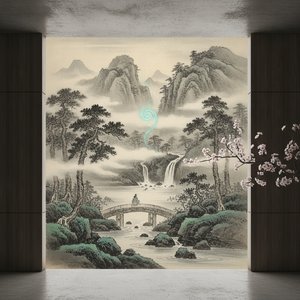
Echoes of Eternity: Unveiling the Spiritual Depth and Timeless Beauty of Japanese Landscape Painting
Embark on a soulful journey through the ephemeral beauty of Japanese landscape painting. Discover the profound philosophy of Ukiyo-e and the legendary mastery of Hokusai. Explore timeless artistry and find inspiration in the spiritual depth of nature's most captivating landscapes.
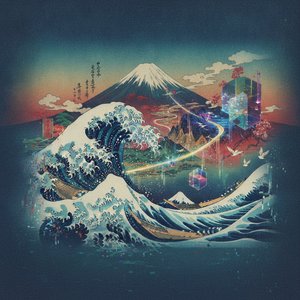
Beyond the Great Wave: The High-Impact Visual Revolution of Japanese Landscape Art
Go beyond Hokusai's Great Wave. Explore the high-impact, graphic world of Japanese Ukiyo-e landscapes and urban prints. Discover how these bold, vibrant woodblock masterpieces continue to shape modern pop culture and contemporary design aesthetics.

Топ 25 шедьовъра на Кацушика Хокусай: Изкуство, история и вдъхновение за вашия дом
Разгледайте топ 25 шедьовъра на Кацушика Хокусай – японски гравюри, укийо-е и емблематичната "Голяма вълна". Историята зад изкуството и вдъхновение за вашия дом. Репродукции с музейно качество на OriginalUniqueArt.com.

Floating Worlds: A Definitive Guide to the Mastery and Philosophy of Japanese Ukiyo-e Woodblock Prints
Explore the profound beauty of Ukiyo-e. Discover the history, philosophy, and legendary masters of Japanese woodblock prints, from Hokusai to Kuniyoshi, in this expert guide to the 'Floating World'.
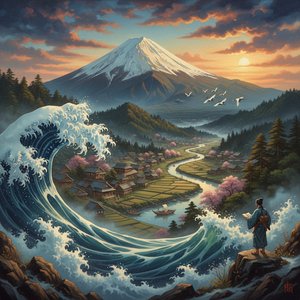
Katsushika Hokusai: A Comprehensive Exploration of the Master's Life, Art, and Enduring Legacy
Explore the life & art of Katsushika Hokusai, Japan's ukiyo-e master! Discover 'The Great Wave,' landscapes, manga & his profound influence on Western art. A comprehensive guide for enthusiasts.


