

 Преглед в реален мащаб
 Сподели
 Сподели
 Подробности
 Ръководство

 Изтегляне
 Подобни артикули
 Рентгенова снимка
 Слайдшоу
 Статистика
Карабиди


 Разгърни целия текст
Жикле / Художествен принт
Giclée печат или принт върху платно с музейно качество, бързо производство и гъвкави опции за завършен вид. ( Поръчайте ръчно рисувано репродукция на този колекционерски предмет Превключване към дигитално изображение)




P118B €10

P118H €10

P118W €10

P438Z €10

P508JH €12

P508YH €12

P805H €10

P805Z €10

P919BZ €10

P919G €10

P919XJ €10

P959ZH €10

P968JZ €12

W106C €8

W218G €10

W218JH €8

W218Y €10

W307PJ €10

W316G €10

W316PJ €8

W316Y €10

W398PJ €8

W4111J €10

W500HY €15

W500JH €15

W692G €12

W849H €8

W940BG €15

W953PJ €8




Изберете от нашите предварително зададени размери, които съответстват на оригиналните пропорции на произведението.

Можете да въведете собствени размери, за да паснат на конкретна рамка или пространство. Ако избраният от Вас размер не съвпада с пропорциите на оригиналното изображение, ние ще изрежем произведението или ще разширим изображението с огледален или едноцветен ръб. Дигитален макет ще бъде изпратен за Ваше одобрение преди започването на производството.
Моля, имайте предвид, че предпрегледът на екрана не отразява реалното изрязване или разширяване. Само макетът ще покаже точно финалната композиция.
Въпреки че са налични персонализирани размери, препоръчваме да изберете размер от предварително дефинирания списък, за да запазите оригиналните пропорции.
Доставка по целия свят () в рамките на 2 седмици вместо стандартните 4/5 седмици. (10 Октомври)

Безплатна експресна доставка по целия свят

Висококачествено ленено платно

Пълно застраховане на доставката

Гаранция за възстановяване на митнически такси

Гаранция за пълно съответствие на цветовете

Политика за връщане в рамките на 100 дни (само при дефекти)

100% Гаранция за връщане на сумата

Отстъпка при поръчка на повече произведения
 Опцията със стъкло е налична само за размери под 110 см

Карабиди
Жикле / Художествен принт
Размер на репродукцията
-


Крайна цена
€ 69
Мгмент Замroжен във Времето: „Червеникави“ на Джон Сингър Сарджънт
„Червеникави“ на Джон Сингър Сарджънт, написана през 1883 г., не е просто изображение на полеви цветя; това е интимно срещновение с суро красотата и тихата устойчивост на природата. Тази изключително детайлна маслена картина улавя сцена, която изглежда проста – клъстер от червеникави, растящи диви – но в границите ѝ се крие дълбоко изследване на светлината, текстурата и уникалната способност на художника да придаде извънредна грация на обикновени обекти. Сарджънт, вече утвърждаващ се като водеща фигура в изкуството на края на XIX век, е движен от желанието си да надмине грандиозните портрети на салоните, които първоначално дефинират кариерата му, търсейки вместо това красотата в повседне стъчния, във флуктуиращите моменти на ежедневието.
Танцът на Светлината и Мазката
Майсторската техника на Сарджънт е незабавно видима. Той използва смела, но изключително деликатна мазка, наслоявайки цветове с почти обсесивно внимание към детайла. Самата маслена боя сякаш трепти и диша, улавяйки фините вариации в светлината върху главите на червеникави – от дълбоките сенки на стегнатите лепици до луминесцентните преливки, хващащи лъчите на слънцето. Забележете как изгражда текстурата; грубостта на стъбците се противопоставя красиво на кадифената нежност на цветята. Това не е фотографско представяне; това е интерпретация, филтрирана през проницателното око на Сарджънт и неговото дълбоко разбиране за цвета и формата. Самата композиция е внимателно обмислена – червеникавите са подредени в динамична диагонал, привличайки погледа на зрителя през платното и създавайки чувство за дълбочина, което противоречи на близката перспектива.
Ехо от Пътешествени Животи
"Червеникави" предлага усетлив поглед към формирателните години на Сарджънт. Роден във Флоренция в американска семейство, детството му е прекарано с пътуване из цяла Европа, усвоявайки артистични влияния от безброй източници. Това постоянно движение засади в него забележителна адаптивност и дълбока признателност към разнообразните култури и пейзажи. Картината отразява тази космополитична чувствителност – тя не е просто изучаване на червеникави; това е евокация на дивото, което е срещнал по време на пътешествията си. Има определена меланхолия, може би, в самотното изражение на тези цветя, отразявайки преходната природа на собственото му възпитание. Годината 1883 беше ключова за Сарджънт, тъй като започна да експериментира с улавянето на есенцията на природните обекти, отдалечавайки се от чисто формалните композиции и приемайки по-импресионистичен подход.
Символизмът в Простотата
Въпреки че изглежда директно, „Червеникави“ е богато на символичен потенциал. Самият червеникав отдавна се асоциира с устойчивост, сила и благородство – качества често свързвани със Шотландия и нейното национално герб. Неговото стръжено защитно средство говори за тиха твърдост, отразявайки собствената артистична решимост на Сарджънт. Освен това, приглушената палитра на картината – доминирана от земни зелени, кафяви и фини жълти тонове – внушава чувство за спокойствие и връзка с земята. Това е напомняне, че красотата може да бъде открита в най-скромните места, предлагайки утеха и съзерцание.
В OriginalUniqueArt.com се радваме да предлагаме прецизно изработени репродукции на „Червеникави“, които ви позволяват да принесете това изискано произведение изкуство в дома или офиса си. Всяка репродукция улавя есенцията от оригиналното виждане на Сарджънт с непревъзходна точност, гарантирайки, че ще преживеете красотата и емоционалната дълбочина на картината във формата ѝ. Разгледайте нашата колекция днес и открийте как тази невъзмутима перла може да обогати вашето пространство.
Въпроси и отговори
Какво ниво на контраст показва „Карабиди“ на Джон Сингър Сарджънт?
Светло-тъмният контраст на „Карабиди“ е определен като Силни. Контрастът описва доколко силно се различават светлите и тъмните зони.
В коя година е създадено „Карабиди“ на Джон Сингър Сарджънт?
„Карабиди“ на Джон Сингър Сарджънт е създадена през 1883.
На колко години е бил Джон Сингър Сарджънт, когато е създал „Карабиди“ през 1883?
Когато „Карабиди“ е създадена през 1883, Джон Сингър Сарджънт – роден/а през 1856 – е бил/а на 27 години.
Къде се препоръчва да бъде изложена творбата "Карабиди" във формат Хоризонтален формат?
С формата си Хоризонтален формат, репродукцията на „Карабиди“ е подходяща за Дневна.
Как да открия произведения, подобни на „Карабиди“ на Джон Сингър Сарджънт?
Произведения, подобни на „Карабиди“ на Джон Сингър Сарджънт, са събрани на страницата Подобни произведения на произведението.
Кой е художникът зад "Карабиди"?
„Карабиди“ е създадена от Джон Сингър Сарджънт. Информацията на тази страница описва оригиналната творба на Джон Сингър Сарджънт.
Как се препоръчва да бъде отпечатана творбата "Карабиди" – какъв размер и каква ориентация?
Размер Среден размер, ориентация Хоризонтален формат: това е препоръчителната конфигурация за печат на „Карабиди“ на Джон Сингър Сарджънт.
Биография на художника
A Life Immersed in Light and Society
John Singer Sargent, a name synonymous with the Gilded Age and its shimmering portraits of elegance, was an American artist who spent most of his life cultivating his craft within the European art world. Born in Florence, Italy, in 1856 to American expatriate parents, Fitzwilliam and Mary Newbold Sargent, his upbringing was anything but conventional. The family’s nomadic existence – constantly traversing France, Germany, Italy, and Switzerland – instilled in young John a cosmopolitan sensibility and an early exposure to the artistic treasures of Europe. Rather than formal schooling, his education unfolded within museum halls and ancient churches, fostering a visual literacy that would profoundly shape his artistic vision. This itinerant childhood, while lacking traditional structure, provided a rich tapestry of cultural experiences that fueled his developing talent. His father, a surgeon, and his mother, an amateur artist, encouraged his inclinations, recognizing early on the remarkable acuity of his observational skills. It was clear from a young age that John’s path lay not in medicine or conventional pursuits, but within the realm of art.From Parisian Atelier to Portrait Master
In 1874, at the age of eighteen, Sargent embarked on a pivotal chapter of his artistic development by entering the Paris studio of Carolus-Duran. This mentorship proved transformative. Duran’s emphasis on *direct painting* – a technique eschewing preliminary sketches in favor of immediate application of paint to canvas – honed Sargent's already impressive technical facility and instilled within him an astonishing ability to capture likenesses with speed and precision. It was a revolutionary approach, encouraging boldness and spontaneity, and it became the hallmark of Sargent’s style. He absorbed Duran’s lessons wholeheartedly, mastering the art of capturing not just physical resemblance but also the very essence of his sitters. Simultaneously, he enrolled at the École des Beaux-Arts to study drawing from casts and life models, further refining his skills in composition and technique. However, it was the influence of Spanish masters like Diego Velázquez, encountered during a formative trip to Spain in 1879, that truly ignited Sargent’s artistic imagination. He became captivated by Velázquez’s masterful use of light, brushwork, and psychological insight – qualities he would strive to emulate throughout his career. The artist's fascination with the Spanish master led him to meticulously study Velázquez’s techniques, particularly his ability to convey a sense of immediacy and drama through subtle shifts in tone and color.Navigating Fame, Scandal, and Artistic Evolution
Sargent quickly established himself as a sought-after portraitist in Paris, attracting commissions from the city’s elite. His portraits were characterized by their elegance, technical brilliance, and ability to capture the personalities of his subjects. However, his ascent was not without its challenges. The unveiling of *Madame X* (Portrait of Madame Pierre Gautreau) at the 1884 Salon ignited a scandal that threatened to derail his burgeoning career. The painting’s daring depiction of socialite Virginie Amélie Avegno Gautreau – with her pale complexion, suggestive pose, and fallen strap – was deemed provocative and scandalous by Parisian society. Though Sargent later repainted the strap, the damage was done. Disheartened by the controversy, he relocated to London in 1886, where he found a more receptive audience for his talents. In London, he continued to paint portraits of the wealthy and prominent, capturing the opulence and social dynamics of Edwardian society with unparalleled skill. Yet, Sargent’s artistic ambitions extended beyond the confines of commissioned portraiture. He yearned for greater creative freedom and increasingly devoted himself to landscape painting and plein-air studies, embracing an Impressionistic style characterized by loose brushwork, vibrant colors, and a focus on capturing fleeting moments of light and atmosphere. These landscapes reveal a different side of Sargent – one less concerned with social status and more attuned to the beauty of the natural world. He sought to capture not just the appearance of a scene but also its mood and essence, often using broken brushstrokes and contrasting colors to create a sense of dynamism and movement.Influences and Artistic Kinships
- Carolus-Duran: His teacher, who instilled in him a direct painting technique and encouraged spontaneity.
- Diego Velázquez: Sargent deeply admired Velázquez’s mastery of light, brushwork, and psychological insight, particularly evident in his Spanish works.
- Impressionism: The Impressionists' emphasis on capturing fleeting moments and atmospheric effects profoundly impacted his landscape paintings, leading to a looser, more expressive style.
- James Abbott McNeill Whistler: Sargent shared with Whistler an interest in aestheticism and the pursuit of “art for art’s sake,” influencing his approach to composition and color.
A Lasting Legacy
While celebrated as “the leading portrait painter of his generation,” John Singer Sargent’s artistic legacy extends far beyond his masterful depictions of society figures. His major works, such as *El Jaleo*, a dynamic portrayal of Spanish flamenco dancers, and *Carnation, Lily, Lily, Rose*, a serene depiction of two young girls in an English garden, demonstrate his versatility and technical brilliance. Later in life, he embarked on ambitious mural projects, including the monumental cycle at the Boston Public Library, showcasing his ability to translate his artistic vision onto a grand scale. His influence can be seen in the work of subsequent generations of artists who admired his technical skill, his bold brushwork, and his ability to capture both physical likeness and psychological depth. The rediscovery of his previously overlooked male nudes in the 1980s further broadened our understanding of Sargent’s artistic range and revealed a more complex and nuanced artist than previously recognized. *His paintings continue to captivate audiences worldwide*, offering a fascinating glimpse into a bygone era while simultaneously transcending time through their enduring beauty and technical mastery. He remains, undeniably, one of the most significant American artists of his generation, whose work continues to inspire and provoke admiration.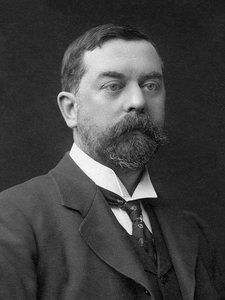
Джон Сингър Сарджънт
1856 - 1925 , Италия
Бързи факти
- Artistic Movement Or Style: Импресионизъм
- Artists Or Movements Influenced By This Artist:
- Уистър
- Моне
- Artists Who Influenced This Artist:
- Carolus-Duran
- Веласкес
- Date Of Birth: 12 януари 1856 г.
- Date Of Death: 15 април 1925 г.
- Full Name: John Singer Sargent
- Nationality: Американски
- Notable Artworks:
- Мадам X
- El Jaleo
- Carnation, Lily, Lily, Rose
- Place Of Birth: Флоренция, Италия
Свързани статии
Capturing Elegance: The Timeless Allure of John Singer Sargent's Masterpieces
Discover the breathtaking elegance of John Singer Sargent's masterpieces. From iconic Gilded Age portraits to impressionistic landscapes, explore the technical brilliance and timeless allure of this American master through our premium, hand-painted fine art reproductions.

Топ 25 шедьовъра на Джон Констабъл: Английски пейзажи за вашия дом | OriginalUniqueArt.com
Открийте топ 25 шедьовъра на Джон Констабъл – английски пейзажи, романтизъм и красотата на природата. Репродукции с музейно качество за вашия дом! Разгледайте пълната колекция онлайн на OriginalUniqueArt.com.
John Singer Sargent: Capturing the Gilded Age with Impressionistic Brilliance
Explore the life & art of John Singer Sargent, premier portraitist of the Gilded Age. Discover his Impressionistic masterpieces, technical brilliance, and enduring legacy. Expert insights for collectors.
Mastering Light and Elegance: The Timeless Brilliance of John Singer Sargent
Discover the luminous mastery of John Singer Sargent. Explore an expert analysis of his legendary light, Gilded Age elegance, and technical brilliance, perfect for fine art enthusiasts seeking to bring timeless classical beauty into their modern collections.

Джон Сингър Сарджент: 25 шедьовъра за вашия дом | OriginalUniqueArt.com
Разгледайте 25 шедьовъра на Джон Сингър Сарджент – импресионистични портрети, елегантни дами и исторически сцени. Вдъхновете се за вашия дом! Луксозни репродукции на картини в OriginalUniqueArt.com.


