

 Преглед в реален мащаб
 Сподели
 Сподели
 Подробности
 Ръководство

 Изтегляне
 Подобни артикули
 Рентгенова снимка
 Слайдшоу
 Статистика
Simplon Pass. Тезата


 Разгърни целия текст
Жикле / Художествен принт
Giclée печат или принт върху платно с музейно качество, бързо производство и гъвкави опции за завършен вид. ( Поръчайте ръчно рисувано репродукция на този колекционерски предмет Превключване към дигитално изображение)




P118B €10

P118H €10

P118W €10

P438Z €10

P508JH €12

P508YH €12

P805H €10

P805Z €10

P919BZ €10

P919G €10

P919XJ €10

P959ZH €10

P968JZ €12

W106C €8

W218G €10

W218JH €8

W218Y €10

W307PJ €10

W316G €10

W316PJ €8

W316Y €10

W398PJ €8

W4111J €10

W500HY €15

W500JH €15

W692G €12

W849H €8

W940BG €15

W953PJ €8




Изберете от нашите предварително зададени размери, които съответстват на оригиналните пропорции на произведението.

Въведете необходимата ширина и височина, за да паснат на вашата рамка или стена. Принтовете могат само да се изрязват, но никога не могат да бъдат по-големи от оригиналната картина, така че при размер с различен формат част от изображението ще бъде загубена. Преди да започнем печат, ще ви изпратим дигитален мок업 за одобрение. Изображението, показано на тази страница, не показва реалното изрязване — само мок업ът го показва.
Доставка по целия свят () в рамките на 2 седмици вместо стандартните 4/5 седмици. (25 Октомври)

Безплатна експресна доставка по целия свят

Висококачествено ленено платно

Пълно застраховане на доставката

Гаранция за възстановяване на митнически такси

Гаранция за пълно съответствие на цветовете

Политика за връщане в рамките на 100 дни (само при дефекти)

100% Гаранция за връщане на сумата

Отстъпка при поръчка на повече произведения
 Опцията със стъкло е налична само за размери под 110 см

Simplon Pass. Тезата
Жикле / Художествен принт
Размер на репродукцията
-


Крайна цена
€ 70
Simplon Pass. The Tease – An Impressionistic Portrait of Quiet Luxury
John Singer Sargent’s *Simplon Pass. The Tease*, completed in 1911, is more than just a depiction of two women enjoying the Italian Alps; it's a masterful distillation of Impressionism infused with Sargent’s signature meticulous realism. Measuring 40 x 52 cm and executed entirely in watercolor on paper, this painting captures a fleeting moment of intimacy amidst breathtaking scenery—a testament to Sargent’s ability to convey emotion through subtle color harmonies and delicate brushstrokes.- Composition & Style: The scene unfolds with remarkable grace. Two women are seated comfortably under an umbrella, their gaze directed inwards as much as outwards towards the distant mountains. Sargent skillfully employs a pyramidal composition, anchoring the figures at the base of the frame while allowing the eye to drift upwards into the hazy expanse of Simplon Pass. This technique is characteristic of Impressionism, prioritizing atmosphere and capturing the ephemeral quality of light.
- Technique: Sargent’s watercolor mastery shines through in every detail. He achieves remarkable luminosity by layering translucent washes of color—primarily blues and greens—creating an illusion of depth and reflecting the ambient sunlight. The artist's meticulous attention to texture is evident in the depiction of the grass, the fabric of the umbrella, and even the subtle sheen on the women’s skin. Sargent’s technique avoids heavy impasto, favoring instead a smooth surface that enhances the painting’s ethereal beauty.
- Historical Context: Created during the Belle Époque, *Simplon Pass. The Tease* embodies the spirit of its time—a fascination with leisure and refined sensibilities amongst the upper classes. Sargent was deeply influenced by Impressionist painters like Monet and Renoir, who championed plein air painting and prioritized capturing fleeting impressions of nature. This piece reflects a broader artistic movement that sought to move away from academic conventions and embrace subjective experience.
- Symbolism: The umbrella serves as more than just shade; it symbolizes protection and intimacy—a refuge from the outside world where these two women can share their companionship undisturbed. The distant mountains represent grandeur and serenity, mirroring the inner peace conveyed by the figures themselves. Sargent’s understated palette contributes to this symbolic resonance, conveying a mood of quiet contemplation and understated elegance.
- Emotional Impact: *Simplon Pass. The Tease* succeeds in evoking a profound sense of tranquility and connection. The painting's soft colors and delicate brushwork invite the viewer into a moment of serene beauty—a celebration of friendship and the sublime grandeur of the Alpine landscape. It’s a portrait not merely of appearance, but of feeling—a glimpse into the inner lives of two women enjoying each other’s company under the watchful gaze of Simplon Pass.
Въпроси и отговори
В кое художествено направление и в коя епоха се поставя „Simplon Pass. Тезата“ на Джон Сингър Сарджънт?
В „Simplon Pass. Тезата“ на Джон Сингър Сарджънт изкуството от направлението Realism Impressionistic Brilliance се среща с епохата на XIX век.
С какво чувство е свързана творбата "Simplon Pass. Тезата"?
Емоционалният тон, отбелязан за „Simplon Pass. Тезата“ на Джон Сингър Сарджънт, е Весел. Той обобщава усещането, което произведението изразява.
Какво приложение и какво пространство се препоръчват за „Simplon Pass. Тезата“ на Джон Сингър Сарджънт?
„Simplon Pass. Тезата“ на Джон Сингър Сарджънт се препоръчва за Акцент, идеално в Дневна. Начинът на използване и пространството заедно подсказват къде е най-подходящо да бъде поставена репродукцията.
Биография на художника
A Life Immersed in Light and Society
John Singer Sargent, a name synonymous with the Gilded Age and its shimmering portraits of elegance, was an American artist who spent most of his life cultivating his craft within the European art world. Born in Florence, Italy, in 1856 to American expatriate parents, Fitzwilliam and Mary Newbold Sargent, his upbringing was anything but conventional. The family’s nomadic existence – constantly traversing France, Germany, Italy, and Switzerland – instilled in young John a cosmopolitan sensibility and an early exposure to the artistic treasures of Europe. Rather than formal schooling, his education unfolded within museum halls and ancient churches, fostering a visual literacy that would profoundly shape his artistic vision. This itinerant childhood, while lacking traditional structure, provided a rich tapestry of cultural experiences that fueled his developing talent. His father, a surgeon, and his mother, an amateur artist, encouraged his inclinations, recognizing early on the remarkable acuity of his observational skills. It was clear from a young age that John’s path lay not in medicine or conventional pursuits, but within the realm of art.From Parisian Atelier to Portrait Master
In 1874, at the age of eighteen, Sargent embarked on a pivotal chapter of his artistic development by entering the Paris studio of Carolus-Duran. This mentorship proved transformative. Duran’s emphasis on *direct painting* – a technique eschewing preliminary sketches in favor of immediate application of paint to canvas – honed Sargent's already impressive technical facility and instilled within him an astonishing ability to capture likenesses with speed and precision. It was a revolutionary approach, encouraging boldness and spontaneity, and it became the hallmark of Sargent’s style. He absorbed Duran’s lessons wholeheartedly, mastering the art of capturing not just physical resemblance but also the very essence of his sitters. Simultaneously, he enrolled at the École des Beaux-Arts to study drawing from casts and life models, further refining his skills in composition and technique. However, it was the influence of Spanish masters like Diego Velázquez, encountered during a formative trip to Spain in 1879, that truly ignited Sargent’s artistic imagination. He became captivated by Velázquez’s masterful use of light, brushwork, and psychological insight – qualities he would strive to emulate throughout his career. The artist's fascination with the Spanish master led him to meticulously study Velázquez’s techniques, particularly his ability to convey a sense of immediacy and drama through subtle shifts in tone and color.Navigating Fame, Scandal, and Artistic Evolution
Sargent quickly established himself as a sought-after portraitist in Paris, attracting commissions from the city’s elite. His portraits were characterized by their elegance, technical brilliance, and ability to capture the personalities of his subjects. However, his ascent was not without its challenges. The unveiling of *Madame X* (Portrait of Madame Pierre Gautreau) at the 1884 Salon ignited a scandal that threatened to derail his burgeoning career. The painting’s daring depiction of socialite Virginie Amélie Avegno Gautreau – with her pale complexion, suggestive pose, and fallen strap – was deemed provocative and scandalous by Parisian society. Though Sargent later repainted the strap, the damage was done. Disheartened by the controversy, he relocated to London in 1886, where he found a more receptive audience for his talents. In London, he continued to paint portraits of the wealthy and prominent, capturing the opulence and social dynamics of Edwardian society with unparalleled skill. Yet, Sargent’s artistic ambitions extended beyond the confines of commissioned portraiture. He yearned for greater creative freedom and increasingly devoted himself to landscape painting and plein-air studies, embracing an Impressionistic style characterized by loose brushwork, vibrant colors, and a focus on capturing fleeting moments of light and atmosphere. These landscapes reveal a different side of Sargent – one less concerned with social status and more attuned to the beauty of the natural world. He sought to capture not just the appearance of a scene but also its mood and essence, often using broken brushstrokes and contrasting colors to create a sense of dynamism and movement.Influences and Artistic Kinships
- Carolus-Duran: His teacher, who instilled in him a direct painting technique and encouraged spontaneity.
- Diego Velázquez: Sargent deeply admired Velázquez’s mastery of light, brushwork, and psychological insight, particularly evident in his Spanish works.
- Impressionism: The Impressionists' emphasis on capturing fleeting moments and atmospheric effects profoundly impacted his landscape paintings, leading to a looser, more expressive style.
- James Abbott McNeill Whistler: Sargent shared with Whistler an interest in aestheticism and the pursuit of “art for art’s sake,” influencing his approach to composition and color.
A Lasting Legacy
While celebrated as “the leading portrait painter of his generation,” John Singer Sargent’s artistic legacy extends far beyond his masterful depictions of society figures. His major works, such as *El Jaleo*, a dynamic portrayal of Spanish flamenco dancers, and *Carnation, Lily, Lily, Rose*, a serene depiction of two young girls in an English garden, demonstrate his versatility and technical brilliance. Later in life, he embarked on ambitious mural projects, including the monumental cycle at the Boston Public Library, showcasing his ability to translate his artistic vision onto a grand scale. His influence can be seen in the work of subsequent generations of artists who admired his technical skill, his bold brushwork, and his ability to capture both physical likeness and psychological depth. The rediscovery of his previously overlooked male nudes in the 1980s further broadened our understanding of Sargent’s artistic range and revealed a more complex and nuanced artist than previously recognized. *His paintings continue to captivate audiences worldwide*, offering a fascinating glimpse into a bygone era while simultaneously transcending time through their enduring beauty and technical mastery. He remains, undeniably, one of the most significant American artists of his generation, whose work continues to inspire and provoke admiration.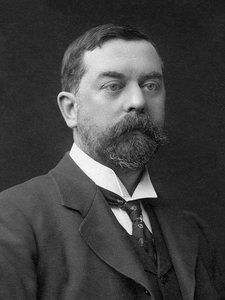
Джон Сингър Сарджънт
1856 - 1925 , Италия
Бързи факти
- Artistic Movement Or Style: Импресионизъм
- Artists Or Movements Influenced By This Artist:
- Уистър
- Моне
- Artists Who Influenced This Artist:
- Carolus-Duran
- Веласкес
- Date Of Birth: 12 януари 1856 г.
- Date Of Death: 15 април 1925 г.
- Full Name: John Singer Sargent
- Nationality: Американски
- Notable Artworks:
- Мадам X
- El Jaleo
- Carnation, Lily, Lily, Rose
- Place Of Birth: Флоренция, Италия
Свързани статии

Джон Сингър Сарджент: 25 шедьовъра за вашия дом | OriginalUniqueArt.com
Разгледайте 25 шедьовъра на Джон Сингър Сарджент – импресионистични портрети, елегантни дами и исторически сцени. Вдъхновете се за вашия дом! Луксозни репродукции на картини в OriginalUniqueArt.com.
John Singer Sargent: Capturing the Gilded Age with Impressionistic Brilliance
Explore the life & art of John Singer Sargent, premier portraitist of the Gilded Age. Discover his Impressionistic masterpieces, technical brilliance, and enduring legacy. Expert insights for collectors.

Ephemeral Visions: Exploring the History & Emotional Resonance of Watercolor Painting
Explore the captivating history of watercolor painting, from ancient techniques to modern masters like Kandinsky & Blake. Discover essential artists, collecting tips & the emotional power of this luminous medium. Expert insights for art enthusiasts.

Топ 10 шедьоври на акварела, променили изкуството завинаги | OriginalUniqueArt.com
Разгледайте топ 10 шедьоври на акварела от Turner, Monet и Sargent! Открийте историите зад тези емблематични картини, техниките им и как промениха изкуството. Купете висококачествени репродукции за вашия дом в OriginalUniqueArt.com.

Ephemeral Visions: Exploring the Artistic Legacy & Contemporary Practice of Watercolor Painting
Explore the captivating world of watercolor painting! Discover its rich history, essential techniques, influential artists & collecting tips. A comprehensive guide for art enthusiasts from OriginalUniqueArt.


