

 Преглед в реален мащаб
 Сподели
 Сподели
 Подробности
 Ръководство

 Изтегляне
 Подобни артикули
 Рентгенова снимка
 Слайдшоу
 Статистика
Серия I, № 12


 Разгърни целия текст
Ръчно изработена маслена репродукция
Ръчно рисувана маслена картина върху платно във вашия размер и рамка, изработена по поръчка от нашите художници. ( Избор на принт Превключване към дигитално изображение)




P118B $10

P118H $10

P118W $10

P438Z $10

P508JH $12

P508YH $12

P805H $10

P805Z $10

P919BZ $10

P919G $10

P919XJ $10

P959ZH $10

P968JZ $12

W106C $8

W218G $10

W218JH $8

W218Y $10

W307PJ $10

W316G $10

W316PJ $8

W316Y $10

W398PJ $8

W4111J $10

W500HY $15

W500JH $15

W692G $12

W849H $8

W940BG $15

W953PJ $8




Изберете от нашите предварително зададени размери, които съответстват на оригиналните пропорции на произведението.

Можете да въведете свои собствени размери, за да паснат на конкретна рамка или пространство. Ако избраният от вас размер не съответства на пропорциите на оригиналното изображение, ние ще изрежем произведението или ще разширим картината с допълнителни ръчно рисувани елементи. Дигитален макет ще бъде изпратен за ваше одобрение преди започване на производството.
Моля, обърнете внимание, че предпрогледа на екрана не отразява действителното изрязване или разширяване. Само макетът ще покаже точно финалната композиция.
Въпреки че са налични персонализирани размери, препоръчваме да изберете размер от предварително дефинирания списък, за да запазите оригиналните пропорции.
След получаване на поръчка, екипът на OriginalUniqueArt.com ще изпрати имейл до клиента с инструкции и ще предостави примерен макет за преглед.
Доставка по целия свят () в рамките на 3-4 седмици вместо стандартните 5 седмици. (25 Септември). Без компромис с качеството.

Безплатна експресна доставка по целия свят

Висококачествено ленено платно

Пълно застраховане на доставката

Гаранция за възстановяване на митнически такси

Гаранция за пълно съответствие на цветовете

Политика за връщане в рамките на 100 дни (само при дефекти)

100% Гаранция за връщане на сумата

Отстъпка при поръчка на повече произведения
 Опцията със стъкло е налична само за размери под 110 см

Серия I, № 12
Техника на репродукция
Размер на репродукцията
-


Крайна цена
$ 300
The Enigmatic Horn: A Dive into Georgia O'Keeffe’s “Series I, No. 12”
Georgia O’Keeffe’s “Series I, No. 12,” painted in 1920, is not merely a depiction of a dog; it’s an invitation into the artist's intensely personal and often unsettling world. This vibrant canvas, brimming with bold colors – fiery reds, sun-drenched yellows, cool blues, delicate pinks, and verdant greens – immediately draws the eye to its central subject: a canine figure adorned with a prominent horn protruding from its forehead. The composition is deceptively simple, yet profoundly layered with symbolism and emotional resonance, reflecting O’Keeffe's unique approach to abstraction and her exploration of primal themes.
O’Keeffe’s early years were shaped by the teachings of Arthur Wesley Dow, who championed a philosophy of art rooted in direct experience and the harmonious balance of color and line. This emphasis on personal expression liberated O'Keeffe from strict representationalism, guiding her toward a more subjective and emotionally charged style. “Series I, No. 12” embodies this shift perfectly – it’s less about accurately portraying a dog and more about conveying a feeling, an intuition, a primal connection to the animal world.
Decoding the Symbolism: Animal, Horn, and the Landscape of the Psyche
The presence of the horn is undoubtedly the most striking element. While interpretations vary, it’s widely believed to represent power, virility, or even a touch of the grotesque – a potent symbol that resonates with themes of both beauty and danger. Some scholars suggest it alludes to O'Keeffe’s own experiences and anxieties surrounding female sexuality and fertility, drawing parallels to ancient myths and folklore where horns are associated with divinity and primal forces. The dog itself, often interpreted as a symbol of loyalty and instinct, becomes imbued with this heightened significance within the painting.
Scattered throughout the canvas are smaller figures – human or animal forms – that remain deliberately ambiguous. They don’t offer clear narrative context but rather contribute to the overall sense of mystery and dreamlike quality. These fragmented elements suggest a landscape not just of the external world, but also of the inner psyche—a reflection of O'Keeffe’s own complex emotional state.
Technique and Artistic Vision: A Masterclass in Color and Form
O’Keeffe’s masterful use of color is central to the painting’s impact. She employs a vibrant, almost hallucinatory palette, layering hues with a remarkable sensitivity to light and shadow. The bold contrasts create a dynamic tension that draws the viewer into the scene, while the subtle gradations within each color evoke a sense of depth and texture. The application of paint is loose and expressive, emphasizing the physicality of the brushstroke – a deliberate departure from the smooth, polished surfaces favored by many of her contemporaries.
“Series I, No. 12” exemplifies O’Keeffe's signature style: an intimate exploration of form and color that transcends mere representation. It is a testament to her ability to distill complex emotions into a single, unforgettable image—a window into the heart of one of America’s most iconic artists.
Биография на художника
Early Life and Artistic Foundations
Georgia Totto O’Keeffe, a name synonymous with American modernism, emerged from the unassuming landscape of Sun Prairie, Wisconsin, in 1887. Born into a family of Irish and Hungarian descent engaged in dairy farming, young Georgia displayed an artistic inclination early on, deciding by age ten that she would dedicate her life to art. This determination was nurtured through lessons with local watercolorist Sara Mann, followed by formal studies at the School of the Art Institute of Chicago from 1905 to 1906 and later at the University of Virginia. However, it was her encounter with Arthur Wesley Dow’s principles – emphasizing personal expression and a harmonious balance of color and line – that truly ignited her artistic path. Dow's teachings steered O’Keeffe away from strict realism toward a more subjective and emotionally resonant approach to art, an approach that would define her career. These formative years weren’t without their challenges; periods of illness and dissatisfaction led her to temporarily abandon painting, but the creative impulse always drew her back, evolving with each new experience and influence. The stark beauty of the Wisconsin countryside, combined with a strong family legacy, provided a grounding for her future explorations of form and color.New York and the Stieglitz Circle
A pivotal moment arrived in 1916 when O’Keeffe’s abstract charcoal drawings were discovered by Alfred Stieglitz, a renowned photographer and art dealer. He exhibited her work without her prior knowledge, sparking a dialogue that would profoundly shape both their lives and the course of American art. Stieglitz recognized an exceptional talent in O’Keeffe, one that resonated with his own modernist sensibilities. He invited her to New York City in 1918, providing not only professional support but also fostering a deep personal connection. Their relationship blossomed into marriage in 1924, creating a dynamic artistic partnership and intellectual exchange. Stieglitz championed O’Keeffe’s work, showcasing it at his gallery “291” and promoting her as a leading figure in the American avant-garde. During this period, she began to develop her signature style – bold, simplified forms and intensely saturated colors – initially expressed through depictions of New York skyscrapers and, most famously, magnified flower paintings. These floral works, often interpreted (though consistently denied by O’Keeffe herself) as veiled representations of female anatomy, challenged conventional notions of beauty and sexuality in art. Stieglitz's influence was immense, shaping her career trajectory and introducing her to a wider audience.The Allure of the Southwest
While New York provided a crucial platform for her early success, it was the landscapes of the American Southwest that truly captured O’Keeffe’s imagination and profoundly influenced her artistic vision. Her first visit to New Mexico in 1929 marked the beginning of a lifelong love affair with the region's stark beauty, vibrant colors, and unique cultural heritage. The vastness of the desert, the dramatic rock formations, and the ancient Pueblo architecture resonated deeply within her, inspiring a new series of paintings that reflected the spirit of the land. Works like *Cow’s Skull: Red, White, and Blue* (1931) and *Summer Days* (1936) are powerful testaments to this influence, transforming seemingly mundane objects into iconic symbols of the American West. She spent increasing amounts of time in New Mexico, establishing a home and studio in Abiquiú that became integral to her artistic process and identity. This period saw a shift towards larger-scale works, reflecting the grandeur of the landscape and her growing sense of connection to the region.Style and Legacy
O’Keeffe's style evolved dramatically over her long career. Initially influenced by realism and Impressionism, she gradually embraced abstraction, exploring simplified forms, bold colors, and a unique perspective on everyday objects. Her flower paintings, in particular, became synonymous with her name, capturing the essence of their beauty through close-up views and intense color palettes. However, O’Keeffe resisted easy categorization, continually pushing the boundaries of her art and refusing to be defined by any single movement. She was a pioneer in American modernism, challenging traditional notions of femininity in art and asserting her own independent voice. Her work continues to inspire artists today, demonstrating the power of observation, personal expression, and a deep connection to the natural world. The Georgia O’Keeffe Museum in Santa Fe stands as a testament to her enduring legacy, preserving her art and providing a space for ongoing scholarship and appreciation. O'Keeffe remains one of the most significant figures in American art history, celebrated for her innovative vision and unwavering commitment to her craft.
Джорджа О’Кърти
1887 - 1986 , Съединени американски щати
Бързи факти
- Artistic Movement Or Style: Модернизъм, Преционизъм
- Artists Or Movements Influenced By This Artist: ['Стиглиц']
- Artists Who Influenced This Artist:
- Артур Доу
- Алфред Стиглиц
- Date Of Birth: 15 ноември 1887
- Date Of Death: 6 март 1986
- Full Name: Georgia Totto O'Keeffe
- Nationality: Американка
- Notable Artworks:
- Червен канарчът
- Глава на добиче
- Летни дни
- Place Of Birth: Сън Прий, САЩ
Свързани статии
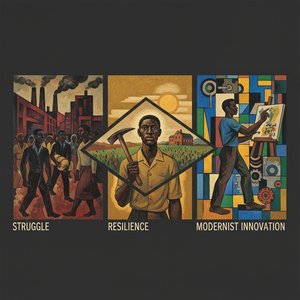
Jacob Lawrence: Narratives of Struggle, Resilience & Modernist Innovation
Explore the powerful narratives of Jacob Lawrence, a pivotal African American artist of the Harlem Renaissance. Discover his iconic 'Migration Series,' dynamic cubism style, and lasting impact on American art history.

Monet's Serial Vision: How Capturing Light Transformed Art History
Explore the revolutionary vision of Claude Monet. Discover how his iconic series, from Haystacks to Water Lilies, captured the fleeting essence of light and transformed art history forever. An in-depth guide for art historians and collectors.
Топ 25 шедьовъра от Венецианската Биенале: Изкуство за вашия дом | OriginalUniqueArt.com
Разгледайте топ 25 шедьовъра от Венецианската биенале! Открийте историите зад известни картини, художници и стилове. Репродукции с музейно качество за вашия дом – OriginalUniqueArt.com.
Aaron Siskind: Deconstructing Reality – A Photographic Exploration of Texture, Form & the Abstract Landscape
Explore the transformative journey of Aaron Siskind, from social realism to pioneering abstract photography. Discover his iconic series & lasting influence on modern art. A guide for collectors.

Georgia O'Keeffe: Redefining Modernism Through Symbolism & the American Landscape
Explore the captivating world of Georgia O'Keeffe! Discover her groundbreaking flower paintings, New Mexico landscapes & lasting impact on American Modernism. Expert analysis and insights.


