1872
Thermopylae (Едуард Лиър, 1872)
Едуард Лиър (1812–1888) създаде Thermopylae. Датира от 1872. Експонира се в Ашмолеан Музей на изкуството и археологията в Оксфорд, United Kingdom. Размерите са 34 × 54 cm.
- 1872
- 34 × 54 cm
- Ашмолеан Музей на изкуството и археологията, Оксфорд

 Преглед в реален мащаб

 Ръчно изработена маслена картина
 Изпрати
 Сподели
 Информационен лист


 Изтегляне
 Подобни артикули
 Рентгенова снимка
 Слайдшоу
 Въпроси и отговори

 Статистика
Thermopylae накратко
- Заглавие
- Thermopylae
- Художник
- Едуард Лиър (1812–1888)
- Роден в
- Лондон, Обединено кралство
- Дата
- 1872
- Размери
- 34 × 54 cm
- Къде може да се види
- Ашмолеан Музей на изкуството и археологията, Оксфорд, United Kingdom
- Епоха
- 19th Century
- Предмет
- landscape, mountains, nature, people, vista, outdoors
Какво е изобразено в Thermopylae?
A Vista of Eternal Grandeur
In his 1872 masterpiece, Thermopylae, Edward Lear invites the viewer to step beyond the boundaries of the everyday and into a realm where the majesty of the earth meets the quiet contemplation of the human spirit. The painting presents a breathtaking panorama, capturing a group of figures perched upon a verdant hilltop, their gazes lost in the infinite expanse of a distant mountain range. There is a profound sense of scale at play here; the vastness of the horizon serves as a silent protagonist, dwarfing the small assembly of people while simultaneously connecting them to the ancient, rugged landscape. Lear, a master of capturing both the whimsical and the sublime, uses this composition to explore the delicate equilibrium between humanity and the untamed natural world.
The technique employed in this work reflects the exquisite precision characteristic of the Victorian era's fascination with landscape realism. Through a masterful application of light and shadow, Lear breathes life into the undulating terrain, creating a sense of depth that pulls the eye from the textured foreground toward the hazy, ethereal peaks of the far distance. The brushwork, while controlled, possesses an organic fluidity that mimics the movement of wind through the valleys and the soft diffusion of light across the mountain slopes. For the discerning collector or interior designer, this piece offers a sophisticated interplay of color and atmosphere, making it an ideal focal point for spaces that require a sense of tranquility and intellectual depth.
The Soul of the Landscape
Beyond its visual splendor, Thermopylae resonates with a deep emotional intelligence. The figures within the scene are not merely spectators; they are embodiments of awe. Their presence imbues the landscape with a narrative of shared experience and quiet reverence. There is an inherent symbolism in the choice of the Thermopylae setting—a location steeped in historical weight—yet Lear strips away the violence of conflict to focus on the enduring, peaceful permanence of the earth itself. The painting suggests that even amidst the fleeting nature of human life, there exists a monumental beauty that remains unchanged by time.
For those seeking to curate an environment of inspiration, this reproduction serves as more than just decoration; it is a window into a moment of pure connection. The soft palette and sweeping vistas evoke a feeling of "the sublime," a concept central to 19th-century Romanticism, where the beauty of nature inspires both wonder and a touch of melancholy. Integrating such a work into a home or gallery space provides an anchor of serenity, inviting guests to pause, breathe, and reflect upon the magnificent scale of the world around them.
В кой музей се намира Thermopylae?
Ашмолеан Музей на изкуството и археологията
Оксфорд, United Kingdom
Произход и история на музея Историята на Ашмолеан Музей на изкуството и археологията започва с личната колекция на Елиас Ашмоул, антиквариат, който през 1677 г. дарява своите съкровища на Университета. Този акт на щедрост полага основите на това, което по-късно ще се превърне в първия публичен музей в Британия.


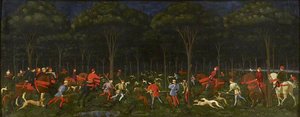
Изображения с висока резолюция на Thermopylae
Обществено достояние: художникът е починал през 1888 г.
Едуард Лиър, Thermopylae (1872), Ашмолеан Музей на изкуството и археологията. Обществено достояние
Отговори на въпроси относно Thermopylae
Къде мога да видя оригиналния „Thermopylae“ на Едуард Лиър?
„Thermopylae“ на Едуард Лиър е изложена в Ашмолеан Музей на изкуството и археологията, Оксфорд, United Kingdom. Информацията за музея се отнася за оригиналното произведение, а не за репродукции.
Коя е датата на създаване на „Thermopylae“ на Едуард Лиър?
"Thermopylae" датира от 1872. Тази дата поставя произведението в контекста на кариерата на Едуард Лиър и неговата епоха.
Какви са размерите на оригиналния „Thermopylae“ на Едуард Лиър?
Размерите на оригиналното произведение "Thermopylae" са 34 x 54 cm. Оригиналните размери са полезен ориентир при избора на размер на репродукцията.
Какви сюжети се появяват в „Thermopylae“ на Едуард Лиър?
Обектите на "Thermopylae" са landscape, mountains, nature, people, vista, outdoors.
Намира ли се „Thermopylae“ на Едуард Лиър в обществено достояние?
„Thermopylae“ на Едуард Лиър е в в обществено достояние – авторското право е изтекло. Този статус определя как може да бъде репродуцирано изображението на произведението.
Кой е художникът зад "Thermopylae"?
Художникът зад "Thermopylae" е Едуард Лиър. Произведението е каталогизирано под името на Едуард Лиър.
Коя е фазата от творческия път на Едуард Лиър, която представлява „Thermopylae“?
"Thermopylae" представлява Mature Period на Едуард Лиър.
На каква възраст Едуард Лиър създава „Thermopylae“?
Едуард Лиър създава „Thermopylae“ на възраст 60. Художникът е роден през 1812, а датировката на произведението е 1872.
Защо статусът на авторското право върху "Thermopylae" е такъв?
„Thermopylae“ на Едуард Лиър е в в обществено достояние – авторското право е изтекло. Срокът на авторско право се изчислява от годината на смъртта на творца, а Едуард Лиър почина през 1888.
За художника Едуард Лиър

1812–1888, Обединено кралство
Едуард Лиър
A Life Painted in Nonsense and Light Edward Lear, a name inextricably linked with whimsical verse and delightfully peculiar illustrations, was far more than simply the creator of limericks and fantastical creatures – he represented a radical shift in how we perceive art, literature, and the very nature of imagination. Born in 1812 in Holloway, North London, into a family teeming with twenty-one children, Lear’s early life was a complex tapestry woven from financial instability, artistic talent, and persistent personal challenges. His father, Jeremiah Lear, faced considerable hardship following the Napoleonic Wars, forcing young Edward to begin earning a living through his drawings at the tender age of fifteen. This early necessity, however, ignited a lifelong passion that would propel him across continents, capturing the world in vibrant hues and playful lines – a testament to the enduring power of human creativity even amidst adversity.
Други творби на Едуард Лиър
 Cogoleto, Italy
 Crescenza
 Blue And Yellow Macaw
 View of Taormina in Sicily with Etna in the distance1852
Есеи по темата Thermopylae
 Whispers of Antiquity: The Ethereal Beauty of Ruins in Impressionist ArtStep into a world where time meets light. Explore the enchanting beauty of ruins in Impressionist masterpieces. At OriginalUniqueArt.com, w…
 25 Masterpieces of Giorgio de Chirico: Exploring Metaphysical ArtStep into the haunting dreamscapes of Giorgio de Chirico. Explore 25 iconic Metaphysical paintings, from eerie shadows to surrealist enigma…
 Джеймс Абът Макнил Уистлър: 25 шедьовъра за ценителите на изкуството и декораОткрийте 25 шедьовъра на Джеймс Абът Макнил Уистлър! Разгледайте историите зад неговите емблематични ноктюрни, портрети и импресионистични …