Expressionism · 1914
Tightrope walker (Аугуст Макке, 1914)
Аугуст Макке (1887–1914) създаде Tightrope walker. Датира от 1914. Това произведение принадлежи към движението Expressionism. Изdelano е от Acrylic On Canvas. Експонира се в Kunstmuseum Bonn в Бон, Германия. Размерите са 82 × 60 cm.
- 1914
- Acrylic On Canvas
- 82 × 60 cm
- Kunstmuseum Bonn, Бон

 Преглед в реален мащаб

 Ръчно изработена маслена картина
 Изпрати
 Сподели
 Информационен лист


 Изтегляне
 Подобни артикули
 Рентгенова снимка
 Слайдшоу
 Въпроси и отговори

 Статистика
Tightrope walker накратко
- Заглавие
- Tightrope walker
- Художник
- Аугуст Макке (1887–1914)
- Роден в
- Мешеде, Германия
- Дата
- 1914
- Техника
- Acrylic On Canvas
- Размери
- 82 × 60 cm
- Къде може да се види
- Kunstmuseum Bonn, Бон, Германия
- Движение
- Expressionism
- Предмет
- circus, performance, tightrope, color, harmony, landscape
Какво е изобразено в Tightrope walker?
August Macke: A Symphony of Color Amidst Modern Anxiety
August Robert Ludwig Macke (1887-1914), a name etched in the annals of German Expressionism, embodies the poignant beauty born from fleeting moments and shadowed realities. His tragically premature demise during World War I robbed the art world of a prodigious talent—one who relentlessly pursued new artistic horizons while simultaneously grappling with profound existential questions. Macke’s journey began in Meschede, Westphalia, where he absorbed the influences of Impressionism and Post-Impressionism before decisively embracing Fauvist color palettes and Orphic abstraction, cementing his place as a pivotal figure within Der Blaue Reiter—a revolutionary artistic collective dedicated to exploring psychological landscapes and challenging conventional aesthetic norms.- Subject Matter: Macke’s canvases frequently depict scenes of rural life – farmers tending their fields, children playing outdoors – yet these seemingly idyllic subjects are imbued with an underlying tension reflecting the anxieties of a rapidly changing era. The tightrope walker embodies this duality; he performs his task with grace and precision against a backdrop of towering buildings, symbolizing humanity's precarious balance between tradition and progress.
- Style: Macke’s distinctive style is characterized by bold simplification and flattened perspective—techniques borrowed from Fauvist painters like Matisse. He eschewed meticulous detail in favor of expressive brushstrokes that prioritize color and tonal harmony, creating images brimming with vitality and emotional resonance.
Technique: Bold Color & Textured Surfaces
Macke’s masterful manipulation of pigment is central to his artistic vision. Utilizing thick impasto—a technique involving applying paint in textured layers—he achieved remarkable depth and luminosity, capturing the physicality of the subject matter with palpable immediacy. His color choices are deliberately vibrant and unrestrained, eschewing naturalistic hues for emotionally charged shades that convey mood and atmosphere. The use of complementary colors – blues against reds, yellows against greens – intensifies visual impact and contributes to the overall dynamism of his compositions.- Color Palette: Macke’s palette leans heavily into warm tones—ochres, reds, yellows—contrasting sharply with cooler blues and greens. This deliberate juxtaposition underscores the tension between stability and disruption inherent in the depicted environment.
- Brushwork: Macke's brushstrokes are loose and energetic, conveying movement and spontaneity. He employed a technique known as “Alla Prima,” applying paint directly onto the canvas without underpainting—a bold decision that maximized textural richness and expressive potential.
Historical Context & Symbolism: Facing Uncertainty
Macke’s artistic output coincided with the turbulent years leading up to World War I, a period marked by social unrest and intellectual ferment. The Expressionist movement sought to articulate the psychological realities of the time—the anxieties surrounding impending conflict, the disillusionment following Nietzschean philosophy—and Macke's work reflects this preoccupation. The tightrope walker itself serves as a potent symbol: representing precariousness, balance, and the constant struggle for survival amidst overwhelming forces. It speaks to the human condition – vulnerable yet striving for mastery – mirroring the broader anxieties of a society grappling with profound transformations.Emotional Impact & Legacy
“Tightrope walker” transcends mere visual representation; it resonates deeply with viewers through its evocative color palette and expressive brushwork. Macke’s ability to convey emotion—a palpable sense of tension mingled with beauty—solidifies his position as one of the most influential artists of his generation. His legacy continues to inspire contemporary painters and designers who appreciate the power of bold color and textural innovation, reminding us that art can illuminate not only what we see but also what we feel – a testament to Macke’s enduring artistic brilliance.В кой музей се намира Tightrope walker?
Kunstmuseum Bonn
Бон, Германия
Прибежище на експресията: Душата на Kunstmuseum Bonn Разположен в историческото сърце на Бон — град, в чийто въздух все още се носят ехото от композициите на Бетховен — се намира Kunstmuseum Bonn — дълбоко прибежище за тези, които търсят суровата и емоционална сила на модернизма. Да стъпиш в тази институция означава да се отправиш на пътешествие през буйната, но прекрасна психика на двадесети век. Роден от необходимостта не само да се възстановят стени, но и културна идентичност по време на трансформативната ера на следвоен преструктуриране, музеят оттогава се е превърнал в глобален фар за Ренската експресия .

Изображения с висока резолюция на Tightrope walker

Обществено достояние: художникът е починал през 1914 г.
Други размери, кадриране и цитиране →Аугуст Макке, Tightrope walker (1914), Kunstmuseum Bonn. Обществено достояние
Отговори на въпроси относно Tightrope walker
Къде може да бъде видяно „Tightrope walker“ на Аугуст Макке днес?
„Tightrope walker“ на Аугуст Макке е изложена в Kunstmuseum Bonn, Бон, Германия. Информацията за музея се отнася за оригиналното произведение, а не за репродукции.
Кога е създадено "Tightrope walker"?
„Tightrope walker“ на Аугуст Макке е създадена през 1914.
С каква техника е изпълнено „Tightrope walker“ на Аугуст Макке?
Техниката на „Tightrope walker“ на Аугуст Макке е Acrylic On Canvas. Репродукциите са предназначени да предадат визуалния ефект на тази техника.
Какви са реалните размери на „Tightrope walker“ на Аугуст Макке?
Размерите на оригиналната творба „Tightrope walker“ на Аугуст Макке са 82 x 60 cm.
Какви сюжети се появяват в „Tightrope walker“ на Аугуст Макке?
Обектите на "Tightrope walker" са circus, performance, tightrope, color, harmony, landscape, people.
Може ли изображението на „Tightrope walker“ на Аугуст Макке да се репродуцира свободно?
Що се отнася до авторското право, „Tightrope walker“ е в в обществено достояние – авторското право е изтекло.
Кой е художникът зад "Tightrope walker"?
„Tightrope walker“ се приписва на Аугуст Макке.
Към кое художествено направление принадлежи „Tightrope walker“ на Аугуст Макке?
Творческото направление, свързано с „Tightrope walker“ на Аугуст Макке, е Expressionism. Тази класификация поставя произведението сред съответните автори и художествени творби.
Към кой период от кариерата на Аугуст Макке принадлежи „Tightrope walker“?
"Tightrope walker" представлява Mature Period на Аугуст Макке.
За художника Аугуст Макке
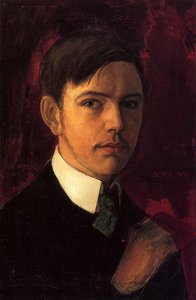
1887–1914, Германия
Аугуст Макке
Ранен живот, семейство и обучение Историята на Аугуст Макке започва в германския град Мешеде, където той е роден на 3 януари 1887 г. Той е единственият син на Август Фридрих Херман Макке, строителен предприемач и аматьорски художник, и Мария Флорентин. Детството му е оформено от променящите се съдби на компанията на баща му, което пренася семейството в Кьолн, а по-късно и в Бон. Дори като малко момче, привличането към визуалното изразно е било очевидно; той прекарва ранните си години в скициране и проектиране на декорации за училищни пиеси, намирайки начин да пренесе обкръжението си върху хартия много преди да е стъпил в официална академия.
Други творби на Аугуст Макке
 Жената в зелен жилет1913
 Басейни с момичета и град на заден план1913
 Хат Шоп1913
 Portrait of the Artist's Wife with Hat1909
Есеи по темата Tightrope walker
 The Magic of Impasto: Capturing Light and Tactile Depth in Impressionist MasterpiecesDiscover the breathtaking beauty of impasto. Explore how Impressionist masters used thick, textured brushstrokes to capture light and emoti…
 Fauvism vs German Expressionism: Distinguishing Color and EmotionMaster the differences between Fauvism and German Expressionism through expert analysis. Learn to decode the emotion behind the color today.
 August Macke: Expressionist Visions of Harmony & Modern LifeExplore the vibrant Expressionist paintings of August Macke (1887-1914). Discover his key role in Der Blaue Reiter, Fauvist influences, and…