


1


Обновено Октомври 2026 · класирано според нашия индекс на популярност (търсения, посещения и поръчки за всяко произведение) · 35 творби на Jacob Huysmans в нашия каталог
Накратко
От всички оригинали, оставени от Jacob Huysmans, най-известният е Cupid preparing his Bow (after Van Dyck) (1673), който се намира в колекцията на Kingston Lacy, Уимборн Минстър. След тях непосредствено следват Catherine of Braganza (1638-1705) (1667) и Catherine of Braganza (1638-1705) (1663). Нашият каталог съдържа 35 произведения на Jacob Huysmans; галерията е съхранила 34-те най-обожавани от света, всяко от тях представен с неговата дата, неговия музей и неговата история.


 Portrait of a Lady, as Diana1674
12
 Colonel Edward Phelips II (1613–1680)1663 · Montacute House
13
 Elizabeth Cooper (1604–1669)1670
14
 Izaak Walton1672 · Национална портретна галерия
15
 Dr Peter Barwick (1619–1705), His Wife, Anne and Daughter, Mary (1661 1662–1721 1723), Later Lady Dutton1670
16
 Sir John Chichley (c.1640–1691)1664 · National Maritime Museum
17
 Sir Samuel Barnardiston (1620–1707)1679
18
 Lady Elizabeth Pope (1660–1719), Lady Lee, Later Countess of Lindsey, as Diana1696 · Национална фондация за опазване на природта и културното наследство
19
 Catherine of Braganza (1638–1705), Queen Consort of King Charles IIGovernment Art Collection
20
 Frances Stewart, later Duchess of Richmond (1647-1702)Кралска колекция
21
 Lady Jane Boyle (d.1780)Oxburgh Hall
22
 Portrait of a Countess wearing robes for the Coronation of James II
23
 Anne Morice (d.1713 1714), Lady PoleNational Trust
24
 Sir Richard Mason (1619–1685), MPNational Trust
25
 Portrait of John Wilmot, 2nd Earl of Rochester
26
 Portrait of an Unknown BoyDunster Castle
27
 Anne Margaret Long (c.1637–1711), Lady MasonNational Trust
28
 Portrait of an Unknown Lady in RedPolesden Lacey
29
 Elizabeth Cornwallis (d.1708), Mrs Edward Allen, as Diana the HuntressCanons Ashby House
30
 Elizabeth Cromwell, Mrs John ClaypoleChequers Court
31
 Portrait of John Wilmot, 2nd Earl of Rochester (1647 1680)
32
 Richard Lower (1631–1691), Anatomist
33
 Mary Langham (1653 1654–1690 1691), Countess of WarringtonNational Trust
34Sir William Morice (1602–1676), PC, MPNational Trust
Четирите найчесто срещани теми в тези оригинални творби, всяка с най-добрия си пример.
8 музея, които притежават най-голям брой от картините на тази страница.
| Музеи | Град | Творения на Jacob Huysmans | Картини от този списък |
|---|---|---|---|
 Кралска колекция |
Лондон | 3 | Catherine of Braganza (1638-1705), Catherine of Braganza (1638-1705), Frances Stewart, later Duchess of Richmond (1647-1702) |
 Национална портретна галерия |
Лондон | 2 | John Maitland, Duke of Lauderdale, Izaak Walton |
 National Trust |
Антони | 2 | Anne Morice (d.1713 1714), Lady Pole, Sir William Morice (1602–1676), PC, MP |
 National Trust |
Grantham | 2 | Sir Richard Mason (1619–1685), MP, Anne Margaret Long (c.1637–1711), Lady Mason |
 Kingston Lacy |
Уимборн Минстър | 1 | Cupid preparing his Bow (after Van Dyck) |
 Kenwood House |
Лондон | 1 | Portrait of Catharine of Braganza (1638-1705), Queen of England |
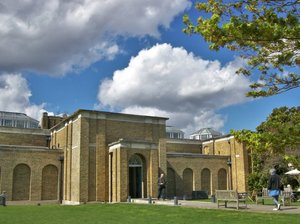 Dulwich Picture Gallery |
London | 1 | Portrait of a Lady |
 Lyme Park |
1 | Possibly Elizabeth Chicheley, Mrs Legh |
Изберете десетилетие, за да видите оригиналната творба, която го определя.

Cupid preparing his Bow (after Van Dyck) (1673), Kingston Lacy, Уимборн Минстър. Следват Catherine of Braganza (1638-1705) (1667) и Catherine of Braganza (1638-1705) (1663).
40 години: Cupid preparing his Bow (after Van Dyck) е от 1673 г., а Jacob Huysmans е роден/а в 1633.
Cupid preparing his Bow (after Van Dyck), Catherine of Braganza (1638-1705), Catherine of Braganza (1638-1705), Portrait of Catharine of Braganza (1638-1705), Queen of England, John Maitland, Duke of Lauderdale, King Charles II (1630-1685), Queen Catherine (of Braganza) (1638-1705) (after Sir Peter Lely), Portrait of a Lady, Dr Peter Barwick (1619–1705) и Possibly Elizabeth Chicheley, Mrs Legh. Класацията по-горе показва годината и музея за всяко от тях.
В нашия каталог са представени 35 произведения на Jacob Huysmans, датирани от 1660 до 1696.
Предимно в Кралска колекция (Лондон), Национална портретна галерия (Лондон) и National Trust (Антони). В горната таблица с музеи са изброени всички тях.
В 1660s: 9 от 34 произведенията на тази страница са създадени тогава, като Catherine of Braganza (1638-1705) са сред тях.
На тази страница най-старата е Portrait of a Lady (1660), а най-новата е Lady Elizabeth Pope (1660–1719), Lady Lee, Later Countess of Lindsey, as Diana (1696).
Opulence (3), Portraiture (2) и Formal (2), разпределени в 34 произведения на тази страница.
Baroque, судейки по оригиналите на тази страница.
Catherine of Braganza (1638-1705), Catherine of Braganza (1638-1705) и Frances Stewart, later Duchess of Richmond (1647-1702): Кралска колекция, Лондон притежава 3 от произведенията на тази страница.
In the vibrant, turbulent landscape of seventeenth-century Flanders, few names evoke the dramatic flair of the Baroque era quite like Jacob Huysmans. Born in Antwerp around 1633, Huysmans was a man destined for the canvas, emerging from a lineage where artistic talent was woven into the very fabric of family life. With an uncle and brother who were accomplished landscape painters, his upbringing was steeped in the visual language of light and form. Under the rigorous tutelage of celebrated history painters such as Gillis Backereel and Frans Wouters, he mastered the ability to breathe life into subjects, learning to balance meticulous anatomical observation with the grand, expressive gestures that would later define his signature style.
The trajectory of Huysmans’ life took a transformative turn when he migrated toward England, arriving in London around 1662, just as the nation was emerging from the shadows of political and religious upheaval. To establish himself within the competitive English art market, he initially practiced the art of the "pastiche," creating skillful, smaller-scale interpretations of the legendary Anthony van Dyck. This strategic homage allowed him to harmonize his Flemish training with the established tastes of the English aristocracy, eventually paving the way for a career that would see him stand as a formidable rival to the court painter Peter Lely. While Lely was celebrated for a more restrained and sober approach, Huysmans offered a lush, exuberant alternative that captured the imagination of the era's most powerful figures.
The true zenith of Huysmans’ career was reached through his profound connection to Queen Catherine of Braganza. As a fellow Roman Catholic, the Portuguese-born Queen found in Huysmans an artist who could translate her royal dignity into something both divine and earthly. His relationship with the court was not merely professional but deeply embedded in the cultural and religious currents of the Restoration period. The famous diarist Samuel Pepys famously noted the brilliance of Huysmans’ workshop, describing his skill as something that could rival or even exceed the great Lely. Through his portraits of the Queen—depicting her both in regal splendor and in more allegorical, tender roles like a shepherdess—Huysmans helped craft the visual identity of a monarch who captivated an entire nation.
Beyond the royal family, Huysmans’ brush touched the lives of the highest echelons of English nobility. His ability to render the tactile richness of silk, the heavy weight of velvet, and the shimmering glow of pearls made him the preferred chronicler of aristocratic status. Notable works from his repertoire include:
The historical significance of Jacob Huysmans lies in his role as a bridge between the classical traditions of the Flemish masters and the evolving tastes of the English Baroque. He did not merely copy the past; he infused it with a new, energetic vitality. Even when faced with the displacement caused by the Great Fire of London, which saw him residing temporarily in Chichester, his artistic output remained a testament to resilience and stylistic evolution. His work remains a vital window into a period where art was used as a tool for both political legitimacy and religious expression.
Today, when we gaze upon a Huysmans portrait, we are not just looking at a likeness of a person, but at a carefully constructed drama of light, shadow, and status. His ability to blend the grandeur of history painting with the intimacy of portraiture ensures his place in the pantheon of great European masters. He remains an artist whose legacy is defined by the exuberant spirit of an era that sought beauty amidst the complexities of a changing world.
