Портрет на Емил Фриант

60-те най-известни картини на Емил Фриант, всяка от които е уникална

Обновено Ноември 2026 · класирано според нашия индекс на популярност (търсения, посещения и поръчки за всяко произведение) · 60 творби на Емил Фриант в нашия каталог

Накратко

The Rowers of the Meurthe (1888) е картината на Емил Фриант, която привлича най-много погледи; оригиналът се намира в musée de l'École de Nancy, Nancy. След това погледът се насочва към Woman with a lion (1919) и Портрет на майка му чистяща репа пред прозорец (1887). Сред 60 произведения на Емил Фриант в нашия каталог, тези 60 са най-известните – всяко от тях е уникален оригинал, представен с годината на създаване, музея и причината за неговата вечност.

1863 – 1932, Дижон Realism Най-много творби: Музей на изкуствата в Нанси

Топ 10 картини на Емил Фриант, през погледа на галерията

1
The Rowers of the Meurthe (1888) на Емил Фриант

The Rowers of the Meurthe

1888 · Oil On Canvas · musée de l'École de Nancy, Nancy

In this 1888 oil on canvas, we find ourselves invited into a quiet, intimate moment of social connection. The scene depicts a group of people gathered around a dining table, their presence suggesting a shared meal and the easy rhythm of conversation. There is a sense of stillness here, as if we have just stepped into the room to find them mid-sentence. The composition is populated by at least thirteen…

2
Woman with a lion (1919) на Емил Фриант

Woman with a lion

1919 · Oil

In this 1919 portrait, we find ourselves in the presence of a woman and a lion, a pairing that suggests a profound, unspoken connection. She sits with a composed grace, one hand resting thoughtfully against her chin while the other finds a place upon the lion's head. There is a stillness here, a moment of repose that transcends the typical tension one might expect from such an unlikely companionship. The…

3
Портрет на майка му чистяща репа пред прозорец (1887) на Емил Фриант

Портрет на майка му чистяща репа пред прозорец

1887 · Масло върху панел · Музей на изкуствата в Нанси, Нанси

Портрет на майка му, чистяща репа пред прозорец Емил Фриан е френски художник от началото на XX век, който се отличава със своя реалистичен подход към изкуството и дълбоко съчувствие към човешките преживявания. Животът му е белязан от политически събития като Френско-Протекската война, което повлиява върху неговото детство и формира неговата художествена идентичност. Първоначално насочен към научна кариера, Фриан бързо открива своя талант за рисуване под ръководството на Луи Тьодор…

4
A Student (also known as Self-portrait) (1885) на Емил Фриант

A Student (also known as Self-portrait)

1885 · Oil On Canvas · Музей на изкуствата в Нанси, Нанси

Émile Friant's "A Student," painted in 1885, is more than just a portrait; it’s a poignant glimpse into the quiet contemplation of a young man grappling with his studies and perhaps, with something deeper within himself. This oil painting, currently residing at the Musée des Beaux-Arts in Nancy, France, offers a remarkably intimate portrayal of a figure lost in thought, rendered with Friant's signature blend of realism and subtle emotional…

5
The Expiation (1908) на Емил Фриант

The Expiation

1908 · Oil On Canvas · Art Gallery of Hamilton, Хамилтън

The air in the painting feels heavy, thick with the scent of dust and impending silence. A man in a black robe hangs from the gallows, his body a dark silhouette against the tension of the scene. He is a priest, his clerical garments marking him as a figure of spiritual weight amidst the secular violence. Around him, the crowd gathers like a slow-moving tide. Some faces are pressed close…

6
The Tramp (1890) на Емил Фриант

The Tramp

1890 · Oil · Национален музей, Стокхолм

In "The Tramp" by Émile Friant, we find ourselves observing a solitary figure seeking refuge within the mouth of a dark cave. The composition is dominated by the heavy, textured mass of the rocky overhang, which creates a palpable sense of enclosure and isolation. This weight of stone presses down from above, framing the subject within a narrow, sheltered space. The color palette is muted and earthy, relying on ochres,…

7
Self portrait (1878) на Емил Фриант

Self portrait

1878 · Oil · la Cour D'or, Metz

In the quiet intimacy of 1878, a young Émile Friant turned his gaze inward, capturing not just a likeness, but a moment of profound self-reflection. His Self Portrait serves as a captivating window into the late 19th century, presenting a man poised between the rigid formalities of his era and the burgeoning psychological depth that would define his later career. Dressed in the dignified attire of the period—a meticulously rendered…

8
Portrait of my mother peeling a turnip, in front of a window (1887) на Емил Фриант

Portrait of my mother peeling a turnip, in front of a window

1887 · Oil On Canvas · Musée des Beaux-Arts de Nancy, Нанси

In the soft, diffused light of a late nineteenth-century afternoon, Émile Friant invites us into a space of profound intimacy and domestic stillness. Portrait of my mother peeling a turnip, in front of a window is not merely a depiction of a mundane chore; it is a masterful study of presence and the beauty found within the ordinary. The scene unfolds before a large, rectangular window that serves as both…

10
The Study (1885) на Емил Фриант

The Study

1885 · Oil On Canvas

The Study by Émile Friant, created about 1885, presents a medium shot of two figures within a well-appointed interior. A man sits in the foreground, his attention directed toward the act of drawing or sketching. Positioned before him is a woman who stands with her back turned toward the viewer, acting as the subject of his work. The arrangement of these figures creates a sense of depth, placing the subjects…

Знаменитите картини на Емил Фриант, номера от 11 до 60

11Presentation of the Odalisques to the Sultan (1881) на Емил ФриантPresentation of the Odalisques to the Sultan1881 · Музей на изкуствата в Нанси 12Portrait of Georges Jeanniot (1884) на Емил ФриантPortrait of Georges Jeanniot1884 · Musée des Beaux-Arts de Dijon 13Les artistes Mathias Schiff et Camille Martin (1880) на Емил ФриантLes artistes Mathias Schiff et Camille Martin1880 14A Wood-Line (1885) на Емил ФриантA Wood-Line1885 15Memories (1891) на Емил ФриантMemories1891 · Petit Palais 16The Garden Walk (1889) на Емил ФриантThe Garden Walk1889 · Philadelphia Museum of Art 17Spinner from El Kantara (1892) на Емил ФриантSpinner from El Kantara1892 18Spring (1888) на Емил ФриантSpring1888 19The Bread (1894) на Емил ФриантThe Bread1894 20Voyage a l'Infini (1899) на Емил ФриантVoyage a l'Infini1899 21Portrait of Aimé Morot (1905) на Емил ФриантPortrait of Aimé Morot1905 22Émile Hinzelin (1908) на Емил ФриантÉmile Hinzelin1908 · Musée d'Art Moderne et Contemporain de Strasbourg 23Devant la psyché (1912) на Емил ФриантDevant la psyché1912 · Музей на изкуствата в Нанси 24The Familiar Birds (1921) на Емил ФриантThe Familiar Birds1921 25Portrait of Jean Scherbeck (1928) на Емил ФриантPortrait of Jean Scherbeck1928 26Guillaume Dubufe (1905) на Емил ФриантGuillaume Dubufe1905 · Музей д’Орсе 27Self portrait на Емил ФриантSelf portraitМузей на изкуствата в Нанси 28The Frugal Repast на Емил ФриантThe Frugal Repast 29Tube of Gouache (1877) на Емил ФриантTube of Gouache1877 · Музей на изкуствата в Нанси 30Self portrait (1877) на Емил ФриантSelf portrait1877 31Self-portrait at twenty years of three quarters (1883) на Емил ФриантSelf-portrait at twenty years of three quarters1883 32Portrait of Madame Petitjean (1883) на Емил ФриантPortrait of Madame Petitjean1883 · Музей на изкуствата в Нанси 33The Landscape Painter in his Studio (1885) на Емил ФриантThe Landscape Painter in his Studio1885 34The Entrance of the Clowns (1881) на Емил ФриантThe Entrance of the Clowns1881 35Jeanniot peignant la Ligne de feu (1886) на Емил ФриантJeanniot peignant la Ligne de feu1886 36Soir d'automne (also known as Study for Les amoreux) (1888) на Емил ФриантSoir d'automne (also known as Study for Les amoreux)1888 37Portrait of Camille Majorelle (1888) на Емил ФриантPortrait of Camille Majorelle1888 · musée de l'École de Nancy 38Douleur (1898) на Емил ФриантDouleur1898 · Музей на изкуствата в Нанси 39Self-portrait (1893) на Емил ФриантSelf-portrait1893 40Portrait de M. Paul (1896) на Емил ФриантPortrait de M. Paul1896 · Музей на изкуствата в Нанси 41A Child's Dissapointment (1897) на Емил ФриантA Child's Dissapointment1897 · The Frick Pittsburgh 42Self-portrait на Емил ФриантSelf-portraitmusée de l'École de Nancy 43Portrait of Young Girl на Емил ФриантPortrait of Young Girl 44Coquelin Senior in the Role of Jean Dacier на Емил ФриантCoquelin Senior in the Role of Jean Dacier 45Young girl на Емил ФриантYoung girl 46Studio Visit на Емил ФриантStudio Visit 47Portrait of M. Sidrot (1881) на Емил ФриантPortrait of M. Sidrot1881 · Музей на изкуствата в Нанси 48Les Buveurs (1884) на Емил ФриантLes Buveurs1884 · Музей на изкуствата в Нанси 49Portrait of Sculptor Ernest Bussière (also known as Interior of the Studio) (1884) на Емил ФриантPortrait of Sculptor Ernest Bussière (also known as Interior of the Studio)1884 · Музей на изкуствата в Нанси 50Maternal Tenderness (1906) на Емил ФриантMaternal Tenderness1906 51Madame Coquelin Mere на Емил ФриантMadame Coquelin Mere 52Political Dicussion (1889) на Емил ФриантPolitical Dicussion1889 53Dress with Knitted Coat на Емил ФриантDress with Knitted CoatKunstgewerbemuseum 54Draft of Dress with Knitted Coat на Емил ФриантDraft of Dress with Knitted CoatKunstgewerbemuseum 55Lovers (1888) на Емил ФриантLovers1888 · Музей на изкуствата в Нанси 56Young Woman of Nancy in a Winter Landscape (1887) на Емил ФриантYoung Woman of Nancy in a Winter Landscape1887 · Музей на изкуствата в Нанси 57The Small Boat на Емил ФриантThe Small BoatМузей на изкуствата в Нанси 58All Saints' Day (1888) на Емил ФриантAll Saints' Day1888 · Музей д’Орсе 59Ombres portées (1891) на Емил ФриантOmbres portées1891 · Музей д’Орсе 60Борба (1889) на Емил ФриантБорба1889 · Musée Fabre

Знаменитите картини на Емил Фриант, период по период

Темите, които привличат погледа на Емил Фриант

Четирите найчесто срещани теми в тези оригинални творби, всяка с най-добрия си пример.

Музеите, в които се съхраняват оригиналите на Емил Фриант

8 музея, които притежават най-голям брой от картините на тази страница.

Музеи Град Творения на Емил Фриант Картини от този списък
Музей на изкуствата в Нанси, НансиМузей на изкуствата в Нанси Нанси 15 Портрет на майка му чистяща репа пред прозорец, A Student (also known as Self-portrait), Presentation of the Odalisques to the Sultan
musée de l'École de Nancy, Nancymusée de l'École de Nancy Nancy 3 The Rowers of the Meurthe, Portrait of Camille Majorelle, Self-portrait
Музей д’Орсе, ПарижМузей д’Орсе Париж 3 Guillaume Dubufe, All Saints' Day, Ombres portées
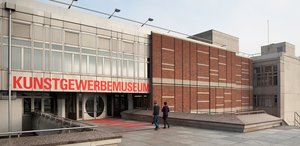
Kunstgewerbemuseum, БерлинKunstgewerbemuseum Берлин 2 Dress with Knitted Coat, Draft of Dress with Knitted Coat
Art Gallery of Hamilton, ХамилтънArt Gallery of Hamilton Хамилтън 1 The Expiation
Национален музей, СтокхолмНационален музей Стокхолм 1 The Tramp
la Cour D'or, Metzla Cour D'or Metz 1 Self portrait
Musée des Beaux-Arts de Nancy, НансиMusée des Beaux-Arts de Nancy Нанси 1 Portrait of my mother peeling a turnip, in front of a window

Емил Фриант през десетилетията: един уникален оригинал за всяко

Произведения по десетилетия

Изберете десетилетие, за да видите оригиналната творба, която го определя.

Картини на Емил Фриант: въпроси към галерията

Кое е най-известното произведение на Емил Фриант?Разкрийте отговора

The Rowers of the Meurthe (1888), musée de l'École de Nancy, Nancy. Следват Woman with a lion (1919) и Портрет на майка му чистяща репа пред прозорец (1887).

На каква възраст Емил Фриант създава The Rowers of the Meurthe?Разкрийте отговора

25 години: The Rowers of the Meurthe е от 1888 г., а Емил Фриант е роден/а в 1863.

Кои са десетте най-известни картини на Емил Фриант?Разкрийте отговора

The Rowers of the Meurthe, Woman with a lion, Портрет на майка му чистяща репа пред прозорец, A Student (also known as Self-portrait), The Expiation, The Tramp, Self portrait, Portrait of my mother peeling a turnip, in front of a window, Polynices Cursed by Oedipus и The Study. Класацията по-горе показва годината и музея за всяко от тях.

Колко са известните творби на Емил Фриант?Разкрийте отговора

В нашия каталог са представени 60 произведения на Емил Фриант, датирани от 1877 до 1928.

Къде могат да се видят най-известните оригинали на Емил Фриант?Разкрийте отговора

Предимно в Музей на изкуствата в Нанси (Нанси), musée de l'École de Nancy (Nancy) и Музей д’Орсе (Париж). В горната таблица с музеи са изброени всички тях.

През кой период Емил Фриант създава най-известните си картини?Разкрийте отговора

В 1880s: 27 от 60 произведенията на тази страница са създадени тогава, като The Rowers of the Meurthe са сред тях.

Коя е най-ранната и коя е най-късната известна картина на Емил Фриант?Разкрийте отговора

На тази страница най-старата е Tube of Gouache (1877), а най-новата е Portrait of Jean Scherbeck (1928).

Какви теми предпочиташе Емил Фриант?Разкрийте отговора

Man (13), Woman (11) и Portrait (8), разпределени в 60 произведения на тази страница.

С какви материали най-често е живописувал Емил Фриант?Разкрийте отговора

Oil On Canvas, за 20 от 60 произведения на тази страница.

Към кое художествено направление принадлежи творчеството на Емил Фриант?Разкрийте отговора

Realism и Contemporary realism, судейки по оригиналите на тази страница.

Какви оригинални творби на Емил Фриант мога да видя в Музей на изкуствата в Нанси?Разкрийте отговора

Портрет на майка му чистяща репа пред прозорец, A Student (also known as Self-portrait) и Presentation of the Odalisques to the Sultan: Музей на изкуствата в Нанси, Нанси притежава 15 от произведенията на тази страница.

Емил Фриант: портрет на художника

Émile Friant - A Life Rooted in Realism: The World of Émile Friant

Émile Friant, born April 16th, 1863 in Dieuze, France, emerged as a pivotal figure bridging the gap between 19th-century realism and the burgeoning artistic movements of the early 20th century. His life story is one deeply intertwined with the political and social upheavals of his time—the Franco-Prussian War profoundly shaping his formative years and instilling in him a sense of displacement that arguably fueled his unwavering dedication to portraying the essence of French identity within his art. Though initially drawn towards scientific pursuits, Friant’s innate artistic talent swiftly asserted itself, nurtured first by private tutors and subsequently under the guidance of Louis-Théodore Devilly in Nancy—a partnership that would prove instrumental in shaping his distinctive style: a realism imbued with palpable emotional depth and astute psychological insight. Even a youthful self-portrait, “Le Petit Friant,” at just fifteen years old, garnered considerable acclaim and secured him permission to pursue formal studies in Paris—marking the commencement of his ascent within the art world’s hierarchy.

Early Years and Artistic Formation

Friant's childhood was indelibly marked by the Franco-Prussian War (1870–1871), during which his family fled to Nancy, then part of France, seeking refuge from Prussian occupation. This relocation instilled in him a formative experience—a confrontation with instability and loss—that arguably underpinned his lifelong preoccupation with capturing human emotion and portraying the complexities of everyday life. Recognizing Friant’s prodigious artistic aptitude early on, Devilly championed his ambition to dedicate himself entirely to painting, securing him a scholarship from the city of Nancy that facilitated his enrollment at the École des Beaux-Arts in Paris. Amidst the Parisian artistic landscape—characterized by both stimulating intellectual discourse and competitive pressures—Friant cultivated friendships with fellow artists—Aimé Morot, Victor Prouvé, and Jules Bastien-Lepage—who shared his passion for naturalism and encouraged him to prioritize direct observation as a cornerstone of artistic practice. Notably, Friant’s formative years were enriched by encounters with influential figures like Auguste Parisot, who fostered in him a deep appreciation for humanist values and instilled in him the conviction that art should serve as a conduit for conveying profound human truths.

Salon Successes and Parisian Influences

Friant's artistic trajectory gained momentum upon his arrival in Paris, where he honed his skills under Alexandre Cabanel—a celebrated academic painter whose atelier system emphasized meticulous technique and adherence to established conventions. Despite acknowledging the importance of mastering traditional methods, Friant persistently sought a more personal expressive voice—one that transcended rigid stylistic boundaries. He actively engaged with the artistic currents circulating within Parisian society—particularly Impressionism—absorbing inspiration from luminaries like Claude Monet and Pierre-Auguste Renoir, whose innovative use of light and color challenged prevailing aesthetic norms. Simultaneously, Friant cultivated enduring connections with actors Ernest and Benoit Coquelin—relationships that yielded a series of captivating portrait commissions—solidifying his reputation as one of France’s foremost artists of his era. His early Salon submissions—including “The Prodigal Son” and “Studio Interior”—demonstrated a burgeoning talent for narrative painting and an unparalleled ability to convey nuanced emotional states—establishing him as a prominent voice within the artistic discourse of the Belle Époque.

Nancy and Naturalism: Defining His Artistic Vision

Returning to Nancy, Friant continued his artistic pursuits while maintaining close ties with the École de Nancy—a vibrant artistic community that championed naturalism as its dominant aesthetic philosophy. Under Devilly’s tutelage, Friant perfected his technique—employing meticulous observation and painstaking detail—resulting in canvases imbued with remarkable realism and psychological insight. His unwavering commitment to portraying the human experience—particularly the lives of ordinary individuals—became a hallmark of his oeuvre—a testament to his conviction that art should illuminate the complexities of daily existence and capture the essence of human emotion. Friant’s artistic vision was profoundly shaped by encounters with Dutch Masters during his travels in Belgium and Holland—experiences that instilled in him an appreciation for tonal harmony and compositional balance—influencing his stylistic choices throughout his career.

Legacy and Recognition

Émile Friant achieved international acclaim during his lifetime—winning the Second Rome Prize (1884) and securing a Gold Medal at the Exposition Universelle of 1889—establishing him as one of France’s most celebrated artists of the Belle Époque. His enduring legacy rests upon his unwavering dedication to realism—a style he championed while simultaneously transcending its limitations—resulting in canvases that continue to captivate audiences with their beauty, sensitivity, and profound psychological depth. Friant was awarded Commander in the Legion of Honor and elected to the Institut de France—the highest honors bestowed upon artists in France—acknowledging his unparalleled contribution to French art history. His tragic death in 1932—falling from a height in Paris—brought an abrupt end to a remarkable artistic journey, yet his paintings endure as timeless expressions of human emotion and unwavering fidelity to the principles of naturalism—affirming his place among the giants of late nineteenth-century art.