Westfälischer Kunstverein: A Legacy of Artistic Patronage and Innovation
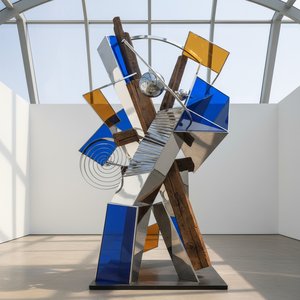
Situated in the heart of Münster, Germany, Westfälischer Kunstverein stands as a testament to centuries of artistic devotion and cultural exchange. Founded in 1831 by local enthusiasts—a collective driven by an unwavering belief in the transformative power of art—the Verein has evolved into one of Germany’s oldest art associations and now houses a remarkable museum dedicated to showcasing both contemporary and medieval masterpieces. It's location within LWL-Museum für Kunst und Kultur amplifies its impact, creating a synergistic experience for visitors eager to immerse themselves in diverse artistic traditions.- Contemporary Art: The Verein’s commitment to pushing boundaries is evident in its curated exhibitions featuring groundbreaking works by national and international artists. These pieces grapple with pressing social issues, exploring themes of consumerism, advertising, and the pervasive influence of mass media—a reflection of the artistic landscape throughout the 20th century and continuing into the present day. Peter Phillips’s collages exemplify this spirit, capturing fleeting moments and challenging conventional perspectives.
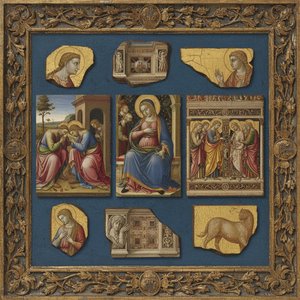
- Medieval Painting: The Verein’s collection boasts significant examples of religious art from the medieval period, offering a poignant glimpse into the artistic sensibilities of bygone eras. These paintings—often imbued with symbolism and spiritual contemplation—represent a cornerstone of European cultural heritage. A standout piece is Gerard ter Borch (II)’s “Ratification of the Peace of Münster,” meticulously rendered in oil paint, capturing a pivotal moment in European history.
Throughout its history, Westfälischer Kunstverein has skillfully navigated shifting artistic currents while steadfastly upholding its core mission: fostering creativity and supporting artists—a tradition that extends far beyond its founding year. Its architectural design reflects this heritage, blending historical grandeur with modern functionality. The building’s prominent position on Domplatz symbolizes Münster's role as a center of faith and culture.
- Architecture & Location: Integrated within LWL-Museum für Kunst und Kultur, the Verein benefits from a collaborative environment that fosters dialogue between disciplines and enhances visitor engagement. The building’s façade incorporates elements of neo-classical design alongside contemporary materials—a deliberate juxtaposition intended to inspire contemplation and appreciation for artistic heritage. The museum's proximity to Domplatz contributes to its cultural significance, positioning it as an integral part of Münster’s urban identity.
What distinguishes Westfälischer Kunstverein is its unwavering dedication to nurturing emerging talent—a commitment that has yielded exceptional results. Its collection represents a diverse tapestry of artistic styles and perspectives, appealing to audiences with varied tastes.
- Unique Aspects: The Verein’s enduring legacy stems from its pioneering role in championing young artists during the postwar era, providing them with invaluable exposure and fostering their creative development. Sebastian Münster's World Map , a monumental print produced in 1543, exemplifies this spirit of exploration and intellectual curiosity.
Visitors can explore captivating exhibitions that delve into the intricacies of artistic expression—guided tours illuminate the stories behind each artwork, enriching the experience for those eager to deepen their understanding. Westfälischer Kunstverein remains an indispensable destination for anyone interested in experiencing the vibrancy of Münster’s art scene and celebrating the enduring power of visual culture.