القائمة
استشارة فنية مجانية

Santa Maria delle Carceri

حقائق سريعة

  • Works on APS: 2
  • Alternate names: Santa Maria delle Carceri
  • Location: Prato, Italy
  • Featured artists: Giuliano da Sangallo

اختبار الفنون

يوجد إجابة صحيحة واحدة فقط لكل سؤال.

سؤال 1:
What architectural style is Santa Maria delle Carceri primarily associated with?
سؤال 2:
Who designed the basilica of Santa Maria delle Carceri?
سؤال 3:
Santa Maria delle Carceri is notable for being the original location of Andrea del Verrocchio's sculpture, 'St. John Baptizing'. Where is this sculpture currently housed?
سؤال 4:
The stained glass windows in Santa Maria delle Carceri were created by:
سؤال 5:
What is the basilica's plan?

Santa Maria delle Carceri: A Renaissance Gem in Prato

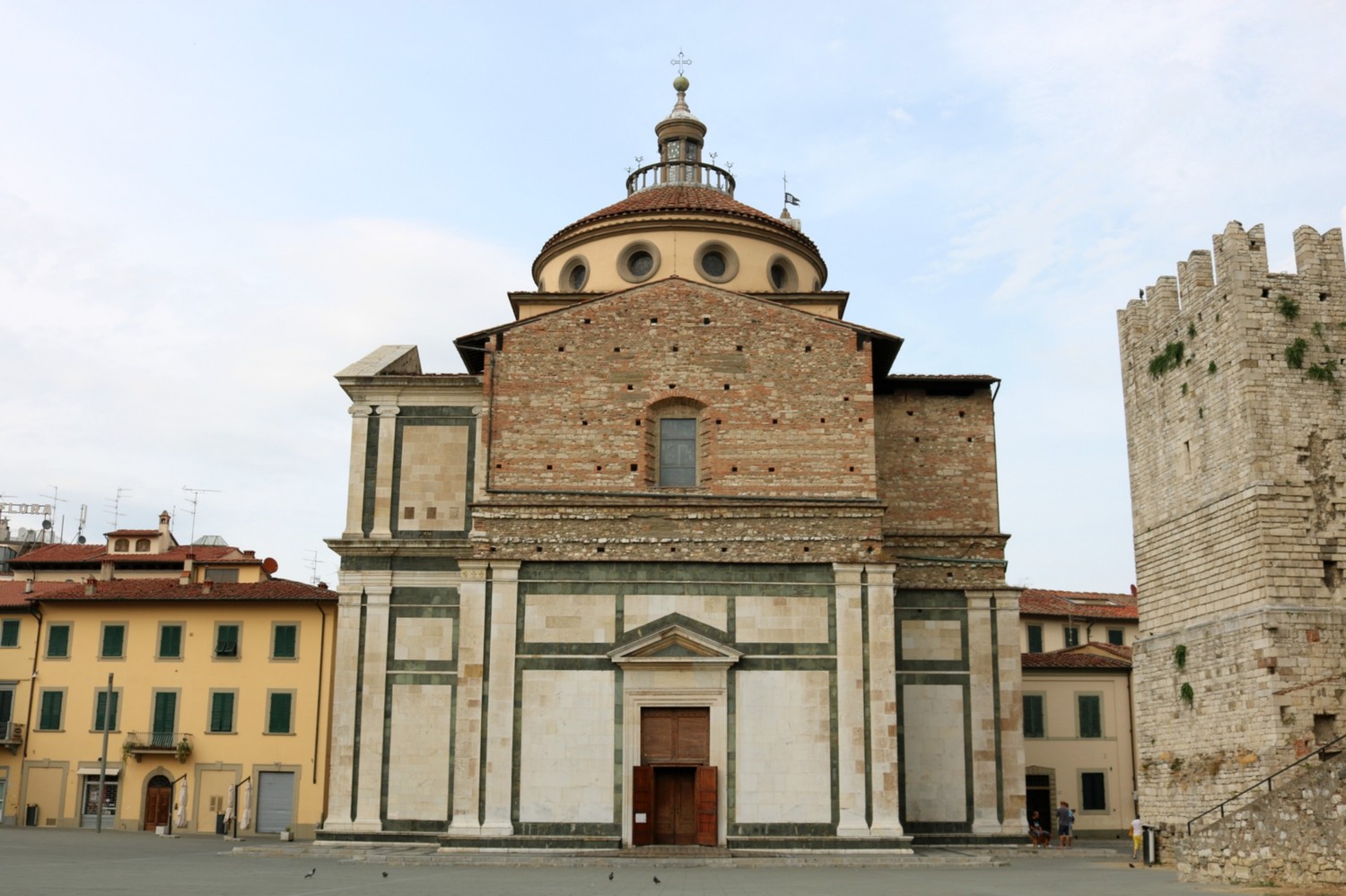
Santa Maria delle Carceri stands as a beacon of artistic innovation and spiritual devotion, nestled within the Tuscan city of Prato. Constructed in 1489 by Giuliano da Sangallo at the behest of Lorenzo de' Medici, this basilica isn’t merely a building; it’s a tangible embodiment of Renaissance ideals—a testament to humanist thought and masterful craftsmanship that continues to inspire awe centuries later. Its Greek cross plan, mirroring the groundbreaking design of Brunelleschi’s Chapel, immediately establishes its significance as one of the earliest examples of this influential architectural style.

Architecture & History: Pioneering Design

Da Sangallo's vision transcended mere practicality; he sought to elevate the church into a symbol of divine grace and intellectual enlightenment. The basilica’s harmonious proportions—a deliberate reflection of classical principles championed by Alberti—were meticulously calculated to foster contemplation and convey a sense of grandeur. Its façade, adorned with elegant Corinthian columns and sculpted reliefs, speaks volumes about the artistic sensibilities of its time, mirroring the monumental sculptures adorning Florence's Piazza della Signoria. The church’s construction represents a pivotal moment in architectural history, marking a decisive break from Gothic traditions and ushering in an era defined by rationality and beauty.

Collection Highlights: Splendor Within Walls

The basilica’s interior is equally remarkable, dominated by soaring vaulted ceilings and bathed in the ethereal glow of magnificent stained glass windows crafted by Domenico Ghirlandaio. These vibrant panels depict scenes from the Gospels—the Annunciation, Nativity, Assumption, and Visitation—representing not only biblical narratives but also embodying the humanist preoccupation with portraying human emotions and experiences with unprecedented realism. Perhaps most profoundly significant is its role as the original home of Andrea del Verrocchio’s monumental sculpture “St. John Baptizing,” now housed in the Frick Collection in New York. This masterpiece exemplifies Verrocchio's mastery of bronze casting and sculptural technique, demonstrating his profound understanding of anatomy and drapery—skills that would profoundly influence subsequent generations of artists.

A Legacy of Patronage & Artistic Influence

Santa Maria delle Carceri’s story is inextricably linked to the patronage of the Medici family, who recognized its potential as a symbol of Florentine prestige and piety. Lorenzo de' Medici actively supported da Sangallo’s ambitious project, ensuring that it adhered to the highest standards of artistic excellence. The basilica served as an inspiration for countless other churches across Italy and beyond, establishing Santa Maria delle Carceri as a cornerstone of Renaissance architectural heritage—a place where visitors can experience firsthand the transformative power of art and humanist thought.

Visiting Information: Immerse Yourself in Tuscan Beauty

Located in Prato’s historic center, Santa Maria delle Carceri invites exploration and contemplation. Its serene atmosphere offers a respite from the bustle of urban life, allowing visitors to appreciate the basilica's architectural grandeur and artistic treasures. Guided tours are available, providing insights into its history and significance—a journey back to the heart of Renaissance Italy that promises to captivate art enthusiasts and history buffs alike.

مجموعة الأعمال الفنية

لا توجد أعمال فنية متاحة.