San Marcello al Corso: A Roman Treasure Whispering Through Time
Nestled within the vibrant heart of Rome, San Marcello al Corso is more than just a church; it’s a profound journey through centuries of faith, artistic evolution, and the very soul of the Eternal City. Located on the bustling Via del Corso – once the vital artery of ancient Roman trade – this unassuming building reveals layers of history beneath its Baroque façade, offering a rare glimpse into the lives of popes, artists, and the people who shaped Rome’s enduring legacy. Its survival through tumultuous periods, from fires to political upheaval, is a testament to its significance as both a sacred space and a remarkable architectural achievement.
The church's origins trace back to the 4th century, with the legend of Saint Marcellus at its core. A Roman soldier martyred under Diocletian, Marcellus became the patron saint of this site, and his story intertwines inextricably with the building’s transformation over time. Initially a modest structure, San Marcello underwent significant rebuilding in the late 16th and early 17th centuries, culminating in its magnificent Baroque appearance today. This evolution reflects Rome's own dynamic artistic landscape – a constant interplay of styles and influences that has shaped the city into what it is: a living museum.
A Symphony of Styles: Architecture and Artistic Treasures
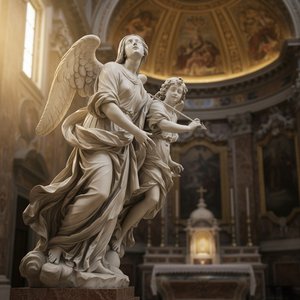
Stepping inside San Marcello al Corso is akin to entering a carefully orchestrated masterpiece. The church’s architecture immediately captivates, showcasing a harmonious blend of Romanesque foundations with the exuberant grandeur of Baroque decoration. While retaining elements from its early Christian roots – including a remarkably preserved baptismal font dating back to the 6th century – the interior explodes with color and movement thanks to the work of renowned Renaissance artists. The façade itself is a study in restrained elegance, punctuated by intricate sculptures that hint at the treasures within.
The church’s chapels are particularly noteworthy, each dedicated to a different saint and adorned with breathtaking frescoes and sculptures. Pay close attention to the elaborate stucco work, a hallmark of Baroque artistry, and the vibrant colors that seem to shimmer under the light. The chapel dedicated to St. Philip Benizio is especially striking, featuring a monumental crucifixion by Giovanni Battista Ricci – a powerful testament to faith and devotion.
Renaissance Masters and Miraculous Relics
San Marcello al Corso’s collection boasts an impressive array of Renaissance masterpieces, primarily thanks to the patronage of influential figures like Francesco Salviati and Federico Zuccari. Their frescoes, depicting scenes from the lives of saints and biblical narratives, are a testament to their mastery of perspective, color, and composition. Salviati's work, in particular, is celebrated for its luminous quality and dramatic use of light and shadow.
However, the church’s most poignant treasure is undoubtedly “The Miraculous Crucifix.” Saved from destruction during a devastating fire in 1519, this relic holds immense historical and religious significance for the local community. The crucifix's survival is considered a miracle, and it remains a focal point of devotion within the church – a tangible link to the past and a symbol of hope and faith.
Beyond the Art: A Historical Sanctuary
San Marcello al Corso’s location on Via del Corso provides an unexpected juxtaposition—a quiet sanctuary amidst the energetic pulse of modern Rome. Historically, this strategic position linked the church to the city's commercial heart, reflecting its importance as a place of pilgrimage and spiritual solace. The building itself has witnessed countless historical events, from papal elections to political intrigues, solidifying its role as a silent observer of Roman history.
Furthermore, the church’s connection to Pope Marcellus I – martyred during Diocletian's persecution – adds another layer of significance. The legend surrounding his imprisonment and subsequent burial beneath the church underscores its enduring spiritual power. The presence of his relics within the building continues to draw pilgrims and devotees seeking inspiration and guidance.
A Unique Roman Experience
San Marcello al Corso offers a truly unique experience for visitors—a chance to step back in time, immerse oneself in artistic beauty, and connect with the spiritual heart of Rome. It’s more than just a museum; it's a living testament to the city’s rich history and enduring legacy. Don’t miss the opportunity to explore this hidden gem and discover the stories whispered within its ancient walls.