San Vincenzo – A Genoa Jewel of Faith and Form
Nestled within the vibrant heart of Genoa, Italy, the Church of San Vincenzo is more than just a place of worship; it’s a breathtaking testament to centuries of artistic evolution, a poignant reflection of Genoese religious fervor, and a remarkably preserved example of Ligurian Gothic architecture. This unassuming church, located in the historic district of Carignano, offers visitors an intimate encounter with art that spans from the 14th to the 17th centuries, revealing layers of history interwoven with profound spiritual significance.
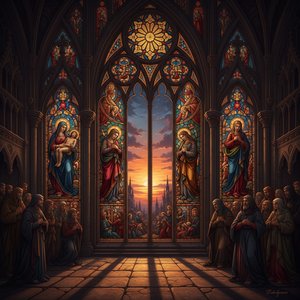
The story of San Vincenzo begins long before its current form. Originally a modest chapel dedicated to Saint Vincent, it was rebuilt in the early 14th century following a devastating fire. The structure we see today largely dates from this period, showcasing a distinctive Genoese Gothic style – a blend of French and Italian influences that’s particularly evident in the soaring arches, pointed windows, and intricate tracery. The church's location itself is significant; Carignano was once a separate municipality, fiercely independent from Genoa, and the church served as a powerful symbol of this autonomy. The architectural choices reflect this – a deliberate assertion of identity within the larger Genoese power structure.
A Tapestry of Artistic Treasures
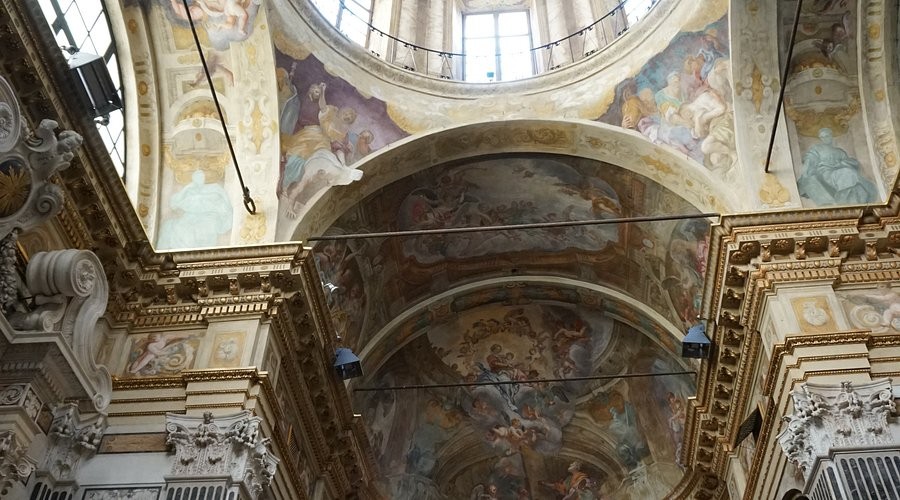
Within San Vincenzo’s walls resides a remarkable collection of artworks, each telling its own captivating story. The church is renowned for its stunning cycle of frescoes adorning the lunettes – semicircular spaces above the arches – that ring the upper chapel. These masterpieces, largely attributed to the workshop of Giovanni da Primiero and his followers, depict scenes from the life of Saint Vincent of Saragossa, a popular martyr in the Middle Ages. The frescoes are characterized by their vibrant colors, dynamic compositions, and expressive figures, offering a glimpse into the artistic sensibilities of the era. Pay particular attention to the depiction of Vincent’s martyrdom; the dramatic narrative is rendered with an emotional intensity that continues to resonate today.
Beyond the lunettes, visitors will discover a wealth of other treasures. A notable altarpiece, dating from the 16th century, showcases the influence of the Renaissance, featuring intricate detailing and a serene depiction of the Virgin Mary holding the infant Jesus. Furthermore, several panels depicting episodes from the life of Saint Vincent are housed within the church, demonstrating a consistent artistic style across the various phases of construction and embellishment. The sculptures, particularly those framing the altar, demonstrate a refined elegance characteristic of Ligurian art.
Architectural Details & Structural Significance
The exterior of San Vincenzo is equally compelling. Constructed primarily from local limestone, the façade presents a harmonious blend of Gothic and Renaissance elements. Note the prominent rose window above the main entrance – a testament to the church’s importance as a civic and religious center. The building's robust structure speaks volumes about the engineering skills of the time, designed to withstand both natural disasters and the passage of centuries. The use of local materials not only reflects practicality but also contributes to the building’s enduring character and connection to its surroundings.
Inside, the church boasts a spacious nave with impressive barrel vaults, supported by sturdy columns. The ribbed vaulting, a hallmark of Gothic architecture, creates a sense of height and grandeur. The careful proportions and harmonious design demonstrate a deep understanding of architectural principles – a testament to the skill and dedication of the builders.
Exhibitions & Historical Context
Throughout its history, San Vincenzo has hosted numerous exhibitions that have brought renewed attention to its artistic treasures. In recent years, the church has been involved in projects exploring the relationship between art and faith, as well as showcasing contemporary interpretations of religious themes. The museum regularly hosts temporary exhibits featuring works by local artists inspired by the church’s history and iconography. These events provide a valuable opportunity for visitors to engage with the church's legacy in new and exciting ways.
Furthermore, San Vincenzo played a crucial role during the Napoleonic era when it served as a refuge for Jewish families fleeing persecution. This poignant chapter in the church’s history adds another layer of complexity to its narrative, highlighting its enduring significance as a place of sanctuary and compassion.
A Unique Sanctuary – A Legacy Preserved
San Vincenzo stands apart not just for its artistic richness but also for its remarkably preserved state. The church has benefited from careful restoration efforts over the years, ensuring that its beauty and historical integrity are maintained for future generations. It offers a rare opportunity to step back in time and experience the spirit of Genoa’s past – a city renowned for its maritime prowess, its artistic heritage, and its unwavering faith. Visiting San Vincenzo is more than just sightseeing; it's an immersion into a living history, a testament to human creativity, and a profound reflection on the enduring power of art.