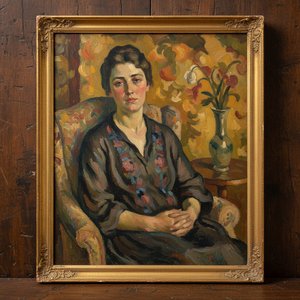
A Sanctuary of Hungarian Modernism: The Soul of Villa Róma
Nestled within the tranquil embrace of Kaposvár, the Rippl-rónai Museum serves as much more than a mere repository for canvas and pigment; it is a living testament to the visionary spirit of József Rippl-Rónai. To step into this sanctuary is to enter the very heart of Hungarian modernism, where the boundaries between life and art dissolve. The museum is housed in the legendary Villa Róma , a structure that was not simply a residence but a deliberate manifesto in architectural form. Constructed in 1908, the villa reflects Rippl-Rónai’s profound embrace of early modernist principles, eschewing the heavy, ornate flourishes of the previous century in favor of a refined simplicity and functional elegance. For the art lover, the building itself acts as a silent interlocutor, providing the essential context for the revolutionary aesthetic that unfolded within its walls.
What truly distinguishes this institution from the grand, often impersonal institutions of major metropolises is its unparalleled intimacy. There is a rare, tactile connection to history here; the museum’s curators have painstakingly recreated the artist's original studio space, allowing guests to stand where inspiration once struck and to observe the very tools that shaped his groundbreaking vision. This immersive environment transforms a standard gallery visit into a personal encounter with a pioneer who believed that art should permeate every facet of human existence—from the grandest oil painting to the smallest detail of interior design.
A Journey Through Color and Emotion
The collection held within these walls offers an intimate journey through the evolution of a master. Visitors are greeted by a profound dialogue between styles, tracing Rippl-Rónai’s transformative path from the atmospheric depths of Impressionism to the vibrant, rhythmic energy of Secessionism. The museum’s core comprises over 90 canvases executed by the artist, meticulously documenting his creative metamorphosis. As one wanders through the galleries, the following elements define the experience:
- The Emotional Core: The crown jewel of the museum is undoubtedly “My Grandmother,” a portrait that resonates with an almost palpable emotional depth. Through masterful technique and a sensitive touch, this work solidified Rippel-Rónai’s standing as Hungary’s premier modernist, capturing not just a likeness, but a psychological truth.
- The Mastery of Light: Beyond monumental portraits, the museum reveals the artist's versatility through captivating still lifes and quiet, intimate interior scenes. These works are masterclasses in light and texture, where the artist’s fascination with fleeting moments of beauty is rendered through his signature "corn kernel" technique—a method of using distinct patches of color to create a shimmering, textured visual experience.
- A Legacy of Innovation: The museum continues to host significant exhibitions that place Rippl-Rónai’s oeuvre in conversation with his European contemporaries, ensuring his radical reimagining of Hungarian art remains a vital, breathing center of cultural heritage.
For the collector and the designer alike, the Rippl-rónai Museum offers more than just a glimpse into the past; it provides a profound encounter with an aesthetic that continues to mesmerize. It remains an essential destination for those seeking to rediscover the enduring legacy of a man who reimagined the very fabric of Hungarian art.