Paleis Het Loo: A Symphony of Baroque Splendor
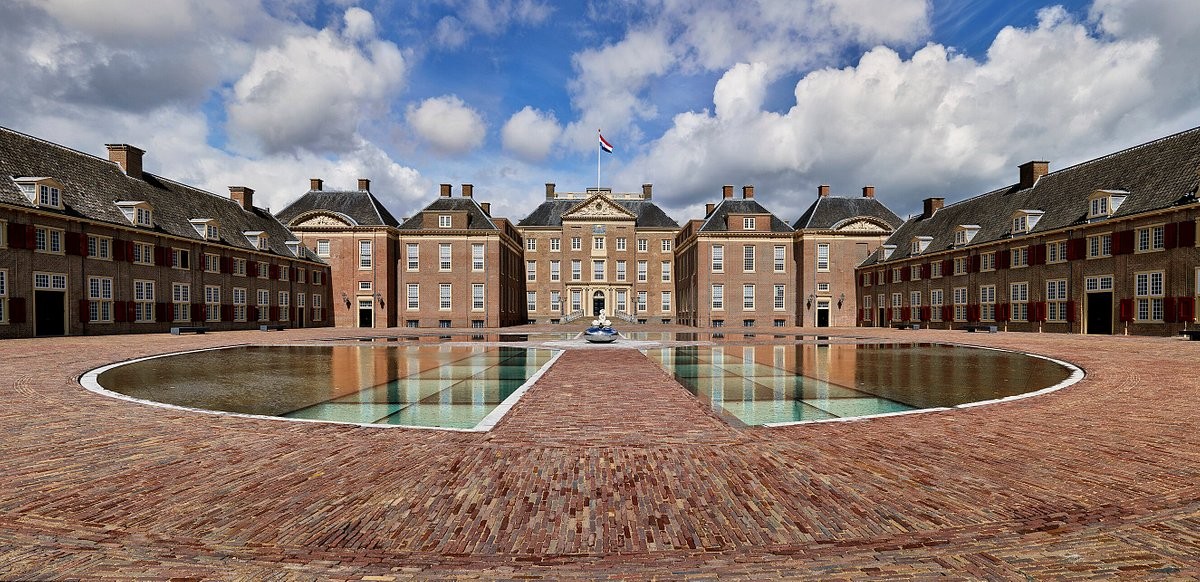
Paleis Het Loo Nationaal Museum stands as a testament to Dutch artistic achievement and royal grandeur, nestled in the heart of Apeldoorn’s Veluwe region. More than just a building, it embodies an era—the Golden Age—where art flourished alongside political ambition and aristocratic refinement. Constructed between 1684 and 1686 for Stadtholder William III and Mary II, this palace isn't merely decorative; it’s a meticulously crafted narrative of power, piety, and the burgeoning spirit of European Baroque culture. Its influence stretches far beyond its walls, shaping architectural styles and artistic sensibilities across Europe.
-
Architectural Marvel:
Inspired by Versailles but distinctly Dutch, Het Loo exemplifies Romanesque architecture’s grandeur while retaining a uniquely national character. The symmetrical layout reflects the prevailing aesthetic of the Baroque period—a deliberate assertion of order and stability amidst turbulent political times.
-
Royal Legacy:
William III and Mary II commissioned Het Loo to solidify their reign and showcase the House of Orange-Nassau’s prestige. Their patronage fostered a vibrant artistic environment, attracting leading artists like Daniel Marot and Claude Desgotz who transformed the palace into an unparalleled masterpiece.
-
A Garden of Symbolism:
Complementing the palace's magnificence is its expansive formal garden—a carefully orchestrated landscape designed to evoke contemplation and reinforce royal authority. Featuring meticulously trimmed hedges, fountains, and rare plant specimens sourced from across the globe, it’s a living embodiment of Baroque ideals.
Collection Highlights: Portraits of Power
The Gallery at Paleis Het Loo houses an extraordinary collection of portraits depicting members of the House of Orange-Nassau. These canvases offer intimate glimpses into the lives and personalities of monarchs, princes, and noble families who shaped Dutch history. Notable works include depictions of William III himself—a portrait conveying both regal dignity and human vulnerability—and portraits commemorating Mary II’s reign, reflecting her commitment to Protestant faith and humanist values. The gallery serves as a poignant reminder of the individuals who presided over one of Europe's most influential periods.
Exploring the Rooms: A Journey Through Time
Visitors can immerse themselves in the opulent interiors of Het Loo Palace, traversing state apartments adorned with lavish furnishings and paintings that chronicle royal history. The Great Hall—a cavernous space used for ceremonial receptions—commands attention with its soaring ceilings and gilded decorations. Similarly impressive is the Audience Chamber, where William III and Mary II conducted affairs of state, projecting an image of regal composure and decisiveness. Furthermore, explore the private quarters—reflecting the daily life of the royal family—providing insights into their tastes, habits, and personal relationships.
Beyond Decoration: Artistic Innovation
Paleis Het Loo distinguishes itself through its commitment to preserving artistic innovation. The museum’s curators have painstakingly reconstructed the palace's original atmosphere, utilizing authentic fabrics and decorative arts that evoke the spirit of the seventeenth century. Exhibitions delve into themes ranging from royal portraiture to landscape painting—demonstrating the breadth of artistic talent active during Het Loo’s heyday. These presentations underscore the palace’s role as a catalyst for cultural exchange and intellectual discourse.
A Unique Perspective on Dutch History
Ultimately, Paleis Het Loo offers visitors an unparalleled opportunity to engage with Dutch history from a privileged vantage point—within the walls of one of Europe's most magnificent palaces. Its enduring legacy stems not only from its architectural grandeur but also from its role as a symbol of royal power and artistic excellence—a testament to the transformative energies of the Baroque era.