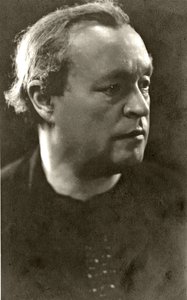

A Sanctuary of Memory: The Leo Baeck Institute
In the vibrant tapestry of New York City, nestled within the prestigious Center for Jewish History, lies a sanctuary that transcends the traditional boundaries of a museum. The Leo Baeck Institute serves as a profound beacon of remembrance, a place where the echoes of a vanished world are preserved with meticulous care and reverence. Established in 1955 by survivors who bore witness to the unimaginable devastation of the Holocaust, the institute was born from a poignant necessity: to safeguard the rich, multifaceted legacy of German-speaking Jewry. It is not merely a repository for artifacts but a living, breathing hub of scholarly investigation, where the shadows of the past are illuminated by the light of rigorous research and cultural engagement.
The architecture of the institute reflects its solemn yet forward-looking mission. Designed with a deliberate and striking simplicity, the space avoids unnecessary ornamentation to prioritize the intellectual exploration within its walls. This architectural restraint creates an atmosphere of focused contemplation, allowing the weight of history to resonate through every corridor. For the visitor, the building acts as a bridge between eras, offering modern research spaces that coexist harmoniously with the profound gravity of the archives it protects. It is a structure that speaks volumes about the importance of honoring what was lost while fostering the growth of new knowledge.
To wander through the collections of the Leo Baeck Institute is to embark on an intimate journey through the soul of a culture. The holdings are nothing short of extraordinary, offering unparalleled insights into the vibrancy of German-Jewish life before the darkness of the mid-twentieth century. Collectors and historians alike find themselves captivated by the rare Jewish books—exquisitely crafted manuscripts from centuries past that bear witness to profound religious scholarship and delicate artistic expression. These precious volumes are complemented by poignant personal papers and photographic archives that capture the faces, families, and landscapes of communities forever changed. Each photograph and letter serves as a window into an era of resilience and adaptation, presenting portraits of everyday individuals whose lives were woven into the cultural fabric of Europe.
What truly distinguishes the Leo Baeck Institute is its unwavering dedication to the nuance of identity. Unlike institutions that seek breadth, the LBI focuses deeply on the specificities of German-speaking Jewry, ensuring that the intricate details of their history are never lost to generalization. Through notable exhibitions that explore everything from the intellectual currents of the Weimar Republic to the artistic responses to wartime trauma, the institute fosters a vital dialogue between the past and the present. For the art lover and the scholar alike, the Institute offers more than just a glimpse into history; it provides an enduring connection to a legacy of profound cultural significance, ensuring that the indelible mark of German-Jewish culture continues to inspire, educate, and move generations to come.