بورتريه لـ Worthy Vizard

أشهر 14 لوحات لـ Worthy Vizard، مختارات من المعرض

تحديث نوفمبر 2026 · مُرتبة حسب مؤشر شعبيتنا (عمليات البحث، والزيارات، والطلبات لكل عمل فني) · 14 أعمال لـ Worthy Vizard في كتالوجنا

باختصار

من بين جميع الأعمال الأصلية التي تركها Worthy Vizard، تُعد Charles Cardale Babington (1888) هي الأشهر، وهي ضمن مجموعة قسم علوم النبات في كامبريدج. تأتي بعدهما مباشرة كل من Alderman W. R. Barker (1902) و Portrait of a Man (1884). يضم كتالوجنا 14 من أعمال Worthy Vizard؛ حيث احتفظ المعرض بـ 14 من أكثر الأعمال التي يعجب بها العالم، مع عرض كل منها مع تاريخها ومتحفها وقصتها.

1848 – 1904 أكبر مجموعة أعمال: Manx Museum

أفضل 10 لوحات لـ Worthy Vizard: مختارات المعرض

1
Charles Cardale Babington (1888) للفنان Worthy Vizard

Charles Cardale Babington

1888 · Oil On Canvas · قسم علوم النبات, كامبريدج

In this 1888 portrait, Worthy Vizard captures the likeness of Charles Cardale Babington. The subject sits with a quiet, settled presence. He was a man of many disciplines, an English botanist, entomologist, and archaeologist. His gaze holds the weight of a scholar who once studied under John Stevens Henslow. There is a stillness here, the kind found in a library or a herbarium after the lamps have been dimmed.

2
Alderman W. R. Barker (1902) للفنان Worthy Vizard

Alderman W. R. Barker

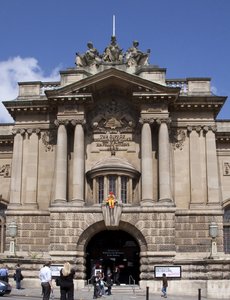
1902 · Oil On Canvas · Bristol Museum - Art Gallery, بريستول

In this 1902 portrait, we encounter Alderman W. R. Barker, a man whose presence commands the space through a quiet, settled authority. The subject is rendered with a meticulous realism that avoids the theatrical, opting instead for a sincere observation of character. He is positioned centrally, his form emerging from a dark, indistinct background that directs all attention to the textures of his person. The lighting is deliberate, sweeping in…

تستمر مجموعة Worthy Vizard، من 11 إلى 14

المواضيع التي استأثرت باهتمام Worthy Vizard

المواضيع الأربعة التي تتكرر باستمرار في هذه الأعمال الأصلية، مع تقديم أروع مثال لكل منها.

المتاحف التي تحتفظ بالأعمال الأصلية لـ Worthy Vizard

المتاحف الـ 6 التي تضم أكبر عدد من اللوحات الموجودة في هذه الصفحة.

المتحف المدينة أعمال Worthy Vizard لوحات من هذه القائمة
Manx Museum, DouglasManx Museum Douglas 3 Portrait of an Unknown Lady, Major James Spittal (c.1825–1914), Portrait of an Unknown Gentleman
قسم علوم النبات, كامبريدجقسم علوم النبات كامبريدج 1 Charles Cardale Babington
Bristol Museum - Art Gallery, بريستولBristol Museum - Art Gallery بريستول 1 Alderman W. R. Barker
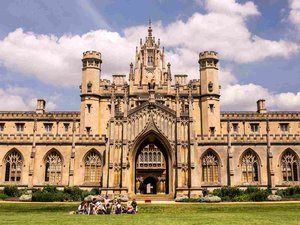
كلية سانت جون, كامبريدجكلية سانت جون كامبريدج 1 Charles Cardale Babington (1808–1895), Professor of Botany
Torquay Town Hall, TorquayTorquay Town Hall Torquay 1 J. F. Rockhey, JP, Mayor of Torquay (1896–1897 1901–1902), Freeman of the Borough
The Council House, ChichesterThe Council House Chichester 1 Peyton Temple Mackeson, MA (Oxon) JP, Hon. Freeman of the City of Chichester, Mayor (1901– 1904)

Worthy Vizard عقداً بعد عقد: الأعمال الأصلية التي ميزت كل حقبة

الأعمال حسب العقد

اختر عقداً لتشاهد العمل الأصلي الذي يجسده.

أسئلة المقتنين حول لوحات Worthy Vizard

ما هو العمل الأكثر شهرة لـ Worthy Vizard؟اكتشف الإجابة

Charles Cardale Babington (1888)، قسم علوم النبات, كامبريدج. ويليها Alderman W. R. Barker (1902) وPortrait of a Man (1884).

كم كان عمر Worthy Vizard عندما تم إنجاز Charles Cardale Babington؟اكتشف الإجابة

عمر 40 عاماً: يعود تاريخ Charles Cardale Babington إلى 1888، وقد وُلد Worthy Vizard في 1848.

ما هي أشهر عشر لوحات لـ Worthy Vizard؟اكتشف الإجابة

Charles Cardale Babington, Alderman W. R. Barker, Portrait of a Man, William Martin Rust, Mayor of Wisbech (1883), Joseph Hamlyn (1809–1888), Portrait of an Unknown Man, Portrait of an Unknown Lady, Portrait of a Man with a Moustache, Alderman J. F. Thompson و Charles Cardale Babington (1808–1895), Professor of Botany. يوضح التصنيف أعلاه سنة كل لوحة والمتحف التابعة له.

كم عدد اللوحات التي تركها Worthy Vizard؟اكتشف الإجابة

يضم كتالوجنا 14 من أعمال Worthy Vizard، التي يعود تاريخها من 1884 إلى 1903.

في أي متاحف تُعرض روائع Worthy Vizard؟اكتشف الإجابة

توجد غالبيتها في Manx Museum (Douglas), قسم علوم النبات (كامبريدج) و Bristol Museum - Art Gallery (بريستول). يدرج جدول المتاحف أعلاه جميعها.

في أي سنوات رسم Worthy Vizard أشهر أعماله؟اكتشف الإجابة

في 1880s: تم إنجاز 5 من أصل 14 من الأعمال في هذه الصفحة خلال تلك الفترة، من بينها Charles Cardale Babington.

ما هي أول وآخر الأعمال الأصلية الشهيرة لـ Worthy Vizard؟اكتشف الإجابة

في هذه الصفحة، أقدم الأعمال يعود إلى Portrait of a Man (1884) وأحدثها يعود إلى Peyton Temple Mackeson, MA (Oxon) JP, Hon. Freeman of the City of Chichester, Mayor (1901– 1904) (1903).

ما هي المواضيع التي اختارها Worthy Vizard بشكل متكرر؟اكتشف الإجابة

Portrait (4), Dignified (4) و Victorian (3)، عبر 14 من الأعمال في هذه الصفحة.

ما هي التقنية التي استخدمها Worthy Vizard بشكل أكبر؟اكتشف الإجابة

Oil On Canvas، لـ 2 من أصل 14 من الأعمال في هذه الصفحة.

ما هي أعمال Worthy Vizard المعروضة في Manx Museum؟اكتشف الإجابة

Portrait of an Unknown Lady, Major James Spittal (c.1825–1914) و Portrait of an Unknown Gentleman: يضم Manx Museum, Douglas 3 من الأعمال المعروضة في هذه الصفحة.

Worthy Vizard: حياته وأعماله

Worthy Vizard: A Dignified Observer of Victorian Society

Worthy Vizard (1848-1904) wasn’t a name that immediately resonates within the grand halls of art history, yet his quietly assured portraits offer a remarkably intimate glimpse into the social fabric of late 19th and early 20th century Britain. Born in London, Vizard's career unfolded primarily through commissions – largely for prominent figures like mayors, academics, and members of the gentry – resulting in a body of work characterized by its dignified restraint and meticulous realism. He wasn’t a flamboyant innovator; rather, he excelled at capturing the essence of his subjects with a subtle grace that speaks volumes about their status and character.

Vizard's artistic training remains somewhat shrouded in mystery, though it’s believed he initially studied under John Brett, a leading figure in the British plein air movement. However, Vizard quickly developed a distinct style, moving away from the bright, open landscapes favored by his teacher and embracing a more controlled, studio-based approach. His technique was rooted in academic tradition – careful observation, precise drawing, and a masterful understanding of light and shadow – but he infused it with a remarkable sensitivity to detail and an ability to convey personality through subtle gestures and expressions. He wasn’t interested in dramatic poses or theatrical displays; instead, he sought to capture the quiet dignity and inherent worth of his subjects.

The Portraiture of Victorian Life

Vizard's most significant contribution lies in his prolific output of portraits. These weren’t merely likenesses; they were carefully constructed representations of individuals within their social context. He frequently depicted mayors, aldermen, and members of the local council – figures who held positions of authority and influence – presenting them with a respectful formality that reflected their roles. Simultaneously, he also painted academics, doctors, and other professionals, showcasing their intellectual pursuits and professional standing. His portraits of Charles Cardale Babington, a botanist, and Alderman W. R. Barker exemplify this trend; each piece meticulously details the subject’s attire, demeanor, and surroundings, offering a window into their lives and professions.

Notably, Vizard's work reflects the prevailing social values of the Victorian era – respect for authority, emphasis on decorum, and a belief in the importance of social standing. His portraits served not only as visual records but also as subtle endorsements of these values. He skillfully navigated the complexities of his role as a portraitist, capturing both the outward appearance and the underlying character of his subjects with remarkable accuracy and sensitivity.

Technique and Style

Vizard’s style is often described as “academic realism,” characterized by its meticulous attention to detail and adherence to classical principles. He employed oil paints with a smooth, polished finish, creating surfaces that shimmered with light and reflected the textures of fabrics and skin. His compositions were typically balanced and symmetrical, reflecting a desire for order and stability. He was particularly adept at rendering clothing – capturing the folds, wrinkles, and sheen of various materials with astonishing precision.

While his work lacks the bold brushstrokes or expressive intensity of some contemporary artists, Vizard’s portraits possess a quiet elegance and understated charm. His use of light is subtle yet effective, creating a sense of depth and atmosphere that draws the viewer into the scene. He avoided overt sentimentality, instead focusing on capturing the essential qualities of his subjects with a cool, objective gaze.

Legacy and Significance

Worthy Vizard’s impact on British portraiture may not be immediately apparent, but his work represents a significant contribution to the genre. He was a skilled craftsman who consistently produced high-quality portraits that captured the essence of Victorian society. His meticulous attention to detail, combined with his sensitivity to character and social context, resulted in a body of work that offers valuable insights into the lives and times of those who shaped Britain during this period.

Today, Vizard’s paintings are primarily found in private collections and museums, but they continue to be appreciated for their quiet dignity and understated charm. His portraits serve as reminders of a bygone era – an era defined by social hierarchy, respect for tradition, and the enduring power of visual representation.