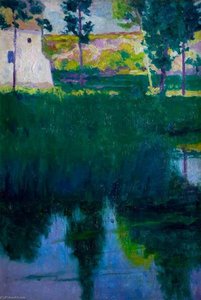
بورتريه لـ William Tom Warrener

لوحات William Tom Warrener: أشهر 13 لوحة، بعيون معرض فني

تحديث نوفمبر 2026 · مُرتبة حسب مؤشر شعبيتنا (عمليات البحث، والزيارات، والطلبات لكل عمل فني) · 13 أعمال لـ William Tom Warrener في كتالوجنا

باختصار

من وجهة نظر المعرض، تُعد Quadrille I (1890) أشهر لوحات William Tom Warrener، والتي تُعرض لوحتها الأصلية في Usher Gallery، لينكون. Portrait of an Unknown Man (1882) و Leonline (1890) يكملان الثلاثية التي تدركها كل عين. من بين 13 من أعمال William Tom Warrener في كتالوجنا، يعرض المعرض أدناه 13 من أشهرها، كل منها عمل أصلي مع سنة إنتاجه، والمتحف الذي يضمها، وما يجعلها فريدة من نوعها.

1861 – 1934 أكبر مجموعة أعمال: Usher Gallery

أفضل 10 لوحات لـ William Tom Warrener في المعرض

1
Quadrille I (1890) للفنان William Tom Warrener

Quadrille I

1890 · Oil On Canvas · Usher Gallery, لينكون

The air feels thick with the hum of a crowd as the scene unfolds in a burst of movement. Sunlight filters through an overcast sky, casting a soft, diffused glow over a bustling outdoor gathering. Figures move in a rhythmic, almost chaotic dance, their forms blending into one another through loose, expressive brushstrokes. Men, women, and children populate the space, their attire and poses suggesting a moment of spontaneous social…

لوحات William Tom Warrener، مرتبة من 11 إلى 13

المتاحف التي تحتفظ بالأعمال الأصلية لـ William Tom Warrener

المتاحف 1 التي تضم أكبر عدد من اللوحات الموجودة في هذه الصفحة.

المتحف المدينة أعمال William Tom Warrener لوحات من هذه القائمة
Usher Gallery, لينكونUsher Gallery لينكون 13 Quadrille I, Portrait of an Unknown Man, Leonline

William Tom Warrener، اللوحات المميزة لكل عام

عشر سنوات، من 1882 إلى 1891، كانت كافية لـ William Tom Warrener: حيث تستعرض المعرض عبرها عاماً تلو الآخر، لوحة أصلية شهيرة تلو الأخرى.

الأعمال حسب السنة

اختر سنة لعرض أعمالها الأصلية.

لوحات William Tom Warrener: إجابات المعرض

ما هي اللوحة الأكثر شهرة لـ William Tom Warrener على الإطلاق؟اكتشف الإجابة

Quadrille I (1890)، Usher Gallery, لينكون. ويليها Portrait of an Unknown Man (1882) وLeonline (1890).

كم كان عمر William Tom Warrener عند إكمال Quadrille I؟اكتشف الإجابة

عمر 29 عاماً: يعود تاريخ Quadrille I إلى 1890، وقد وُلد William Tom Warrener في 1861.

ما هي أفضل 10 لوحات لـ William Tom Warrener؟اكتشف الإجابة

Quadrille I, Portrait of an Unknown Man, Leonline, December Day at Grez sur Loing, France, Reflections, Quadrille II, Undergrowth, Vineyard, Mary Ann Carlton و Le lavoir. يوضح التصنيف أعلاه سنة كل لوحة والمتحف التابعة له.

كم عدد الأعمال التي أبدعها William Tom Warrener؟اكتشف الإجابة

يضم كتالوجنا 13 من أعمال William Tom Warrener، التي يعود تاريخها من 1882 إلى 1891.

أين تُعرض أشهر الأعمال الأصلية لـ William Tom Warrener؟اكتشف الإجابة

توجد غالبيتها في Usher Gallery (لينكون). يدرج جدول المتاحف أعلاه جميعها.

متى أبدع William Tom Warrener أشهر لوحاته؟اكتشف الإجابة

في 1890: تم إنجاز 7 من أصل 13 من الأعمال في هذه الصفحة خلال تلك الفترة، من بينها Quadrille I.

ما هي أشهر أعمال William Tom Warrener المبكرة والأخيرة؟اكتشف الإجابة

في هذه الصفحة، أقدم الأعمال يعود إلى Portrait of an Unknown Man (1882) وأحدثها يعود إلى December Day at Grez sur Loing, France (1891).

ما هي الأعمال الأصلية لـ William Tom Warrener التي تمتلكها Usher Gallery؟اكتشف الإجابة

Quadrille I, Portrait of an Unknown Man و Leonline: يضم Usher Gallery, لينكون 13 من الأعمال المعروضة في هذه الصفحة.

William Tom Warrener: الفنان

William Tom Warrener (1861–1934): A Painter of Rural England

William Tom Warrener (1861–1934) was a British landscape painter born in Worcestershire, England. His artistic journey spanned decades, marked by an unwavering dedication to capturing the beauty and tranquility of rural England—a fascination that would define his oeuvre and solidify his place as a significant figure within the Impressionist movement.
  • Early Life & Education: Warrener’s formative years were spent in Worcestershire, where he received a grounding in classical art principles at Worcester Royal Grammar School. He subsequently pursued formal artistic training at Slade School of Fine Art in London, honing his skills under influential instructors like Frederic Leighton and Joseph Hibberd—artists known for their meticulous realism and masterful depiction of light and atmosphere.
  • Impressionist Style & Influences: Warrener’s artistic vision was profoundly shaped by Impressionism, spearheaded by artists such as Claude Monet and Pierre-Auguste Renoir. He embraced the movement's core tenets—loose brushwork, vibrant color palettes, and a focus on capturing fleeting moments of light—translating these principles into his own distinctive style.

Notable Paintings & Artistic Development

Warrener’s artistic output encompassed numerous landscapes rendered in oil paint, predominantly depicting vineyards, orchards, and idyllic rural vistas. His canvases are characterized by a remarkable sensitivity to light—particularly the dappled sunlight filtering through foliage—resulting in luminous compositions that convey an unparalleled sense of atmosphere. Recurring motifs included depictions of cottages nestled amongst rolling hills, reflecting Warrener’s deep appreciation for the pastoral landscapes of Worcestershire and surrounding areas.
  • "Quadrille I": This celebrated painting exemplifies Warrener's Impressionist technique—a lively depiction of a fairground scene bathed in warm sunlight, showcasing masterful brushstrokes and vibrant hues.
  • "Le Lavoir": A poignant portrayal of rural domestic life, “Le Lavoir” captures the quiet dignity of everyday tasks against a backdrop of muted greens and browns, demonstrating Warrener’s ability to convey emotion through subtle tonal variations.

Recognition & Legacy

Warrener's work gained considerable acclaim during his lifetime, securing commissions from prominent patrons and exhibiting regularly at the Royal Academy in London. His paintings are held in collections across Britain and internationally, testament to their enduring appeal and artistic merit. Warrener’s contribution to Impressionist landscape painting is particularly noteworthy—he championed a style that prioritized observation and emotion over academic convention, establishing himself as one of England's foremost artists of the late nineteenth century.

Further Exploration