بورتريه لـ Wang Yuanqi

أشهر 22 لوحات لـ Wang Yuanqi، مختارات من المعرض

تحديث نوفمبر 2026 · مُرتبة حسب مؤشر شعبيتنا (عمليات البحث، والزيارات، والطلبات لكل عمل فني) · 22 أعمال لـ Wang Yuanqi في كتالوجنا

باختصار

من بين جميع الأعمال الأصلية التي تركها Wang Yuanqi، تُعد Landscape for Zhanting (1710) هي الأكثر شهرة. تأتي بعدهما مباشرة كل من Wangchuan Villa (1711) و Landscape (1678). يضم كتالوجنا 22 من أعمال Wang Yuanqi؛ حيث احتفظ المعرض بـ 22 من أكثر الأعمال التي يعجب بها العالم، مع عرض كل منها مع تاريخها ومتحفها وقصتها.

1642 – 1715, Taicang أكبر مجموعة أعمال: متحف المتروبوليتان للفنون

أفضل 10 لوحات لـ Wang Yuanqi: مختارات المعرض

1
Landscape for Zhanting (1710) للفنان Wang Yuanqi

Landscape for Zhanting

1710 · Ink

In Landscape for Zhanting, the artist Wang Yuanqi presents a vast mountain range that stretches across the entire width of the silk. Snow-capped peaks rise against the sky, their white summits catching the light amidst the rugged terrain. These mountains form a heavy, continuous boundary that defines the horizon. The scale of the landscape creates a sense of immense depth, pulling the eye through layers of stone and mist.
2
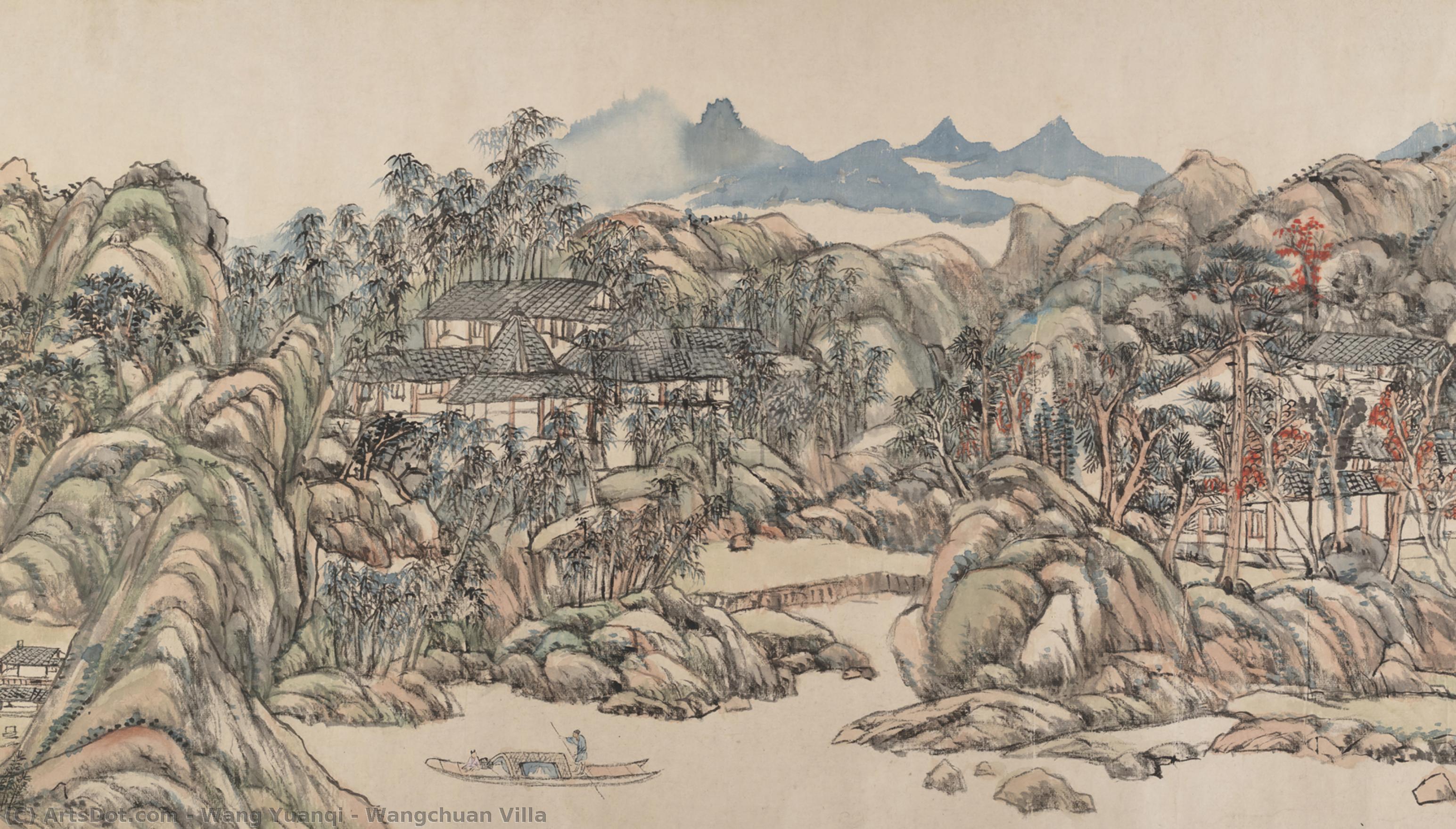
Wangchuan Villa (1711) للفنان Wang Yuanqi

Wangchuan Villa

1711 · Ink On Paper · متحف المتروبوليتان للفنون, نيويورك

The handscroll titled Wangchuan Villa emerges from the brush of Wang Yuanqi, a painter who shaped the landscape traditions of the Qing Dynasty. Born in 1642 in Taicang, Jiangsu province, China, Wang Yuanqi carries the weight of a profound artistic lineage. He moves through the world of ink and color as a leading figure of the Orthodox School. His hand brings life to this specific vision of a mountain community,…

تستمر مجموعة Wang Yuanqi، من 11 إلى 22

المواضيع التي استأثرت باهتمام Wang Yuanqi

المواضيع الأربعة التي تتكرر باستمرار في هذه الأعمال الأصلية، مع تقديم أروع مثال لكل منها.

المتاحف التي تحتفظ بالأعمال الأصلية لـ Wang Yuanqi

المتاحف الـ 8 التي تضم أكبر عدد من اللوحات الموجودة في هذه الصفحة.

المتحف المدينة أعمال Wang Yuanqi لوحات من هذه القائمة
متحف المتروبوليتان للفنون, نيويوركمتحف المتروبوليتان للفنون نيويورك 7 Wangchuan Villa, 清 王原祁 倣吳鎮山水圖 軸 Landscape after Wu Zhen, Landscape for Zhanting
معهد شيكاغو للفنون, شيكاغومعهد شيكاغو للفنون شيكاغو 3 Landscape, Mountainous Landscape after Wang Meng, Landscape after Huang Gongwang
متحف كليفلاند للفنون, كليفلاندمتحف كليفلاند للفنون كليفلاند 2 Landscape after Ni Zan, Green Peaks under Clear Sky: After Huang Gongwang
معرض ييل الجامعي للفنون, نيو هيفنمعرض ييل الجامعي للفنون نيو هيفن 2 Landscape in the Style of Huang Gongwang, Landscape
Walters Art Museum, بالتيمورWalters Art Museum بالتيمور 1 Free Spirits Among Streams and Mountains
معهد ديترويت للفنون, ديترويتمعهد ديترويت للفنون ديترويت 1 Mountain and River Landscape
متحف القصر, بكينمتحف القصر بكين 1 Wang Yuanqi's Thatched Cottage Ten Records
National Gallery of Victoria, ملبورنNational Gallery of Victoria ملبورن 1 The Fuchun Mountians

Wang Yuanqi عقداً بعد عقد: الأعمال الأصلية التي ميزت كل حقبة

الأعمال حسب العقد

اختر عقداً لتشاهد العمل الأصلي الذي يجسده.

أسئلة المقتنين حول لوحات Wang Yuanqi

ما هو العمل الأكثر شهرة لـ Wang Yuanqi؟اكتشف الإجابة

Landscape for Zhanting (1710). يليه Wangchuan Villa (1711) و Landscape (1678).

كم كان عمر Wang Yuanqi عندما تم إنجاز Landscape for Zhanting؟اكتشف الإجابة

عمر 68 عاماً: يعود تاريخ Landscape for Zhanting إلى 1710، وقد وُلد Wang Yuanqi في 1642.

ما هي أشهر عشر لوحات لـ Wang Yuanqi؟اكتشف الإجابة

Landscape for Zhanting, Wangchuan Villa, Landscape, Mountainous Landscape after Wang Meng, Free Spirits Among Streams and Mountains, 清 王原祁 倣吳鎮山水圖 軸 Landscape after Wu Zhen, Landscape for Zhanting, Landscape after Ni Zan, Green Peaks under Clear Sky: After Huang Gongwang و Landscape after Huang Gongwang. يوضح التصنيف أعلاه سنة كل لوحة والمتحف التابعة له.

كم عدد اللوحات التي تركها Wang Yuanqi؟اكتشف الإجابة

يضم كتالوجنا 22 من أعمال Wang Yuanqi، التي يعود تاريخها من 1678 إلى 1712.

في أي متاحف تُعرض روائع Wang Yuanqi؟اكتشف الإجابة

توجد غالبيتها في متحف المتروبوليتان للفنون (نيويورك), معهد شيكاغو للفنون (شيكاغو) و متحف كليفلاند للفنون (كليفلاند). يدرج جدول المتاحف أعلاه جميعها.

في أي سنوات رسم Wang Yuanqi أشهر أعماله؟اكتشف الإجابة

في 1700s: تم إنجاز 5 من أصل 22 من الأعمال في هذه الصفحة خلال تلك الفترة، من بينها Landscape after Ni Zan.

ما هي أول وآخر الأعمال الأصلية الشهيرة لـ Wang Yuanqi؟اكتشف الإجابة

في هذه الصفحة، أقدم الأعمال يعود إلى Landscape (1678) وأحدثها يعود إلى Landscape in the Style of Huang Gongwang (1712).

ما هي المواضيع التي اختارها Wang Yuanqi بشكل متكرر؟اكتشف الإجابة

Mountains (3), Trees (2) و People (2)، عبر 22 من الأعمال في هذه الصفحة.

ما هي أعمال Wang Yuanqi المعروضة في متحف المتروبوليتان للفنون؟اكتشف الإجابة

Wangchuan Villa, 清 王原祁 倣吳鎮山水圖 軸 Landscape after Wu Zhen و Landscape for Zhanting: يضم متحف المتروبوليتان للفنون, نيويورك 7 من الأعمال المعروضة في هذه الصفحة.

Wang Yuanqi: حياته وأعماله

Wang Yuanqi: A Master of Qing Dynasty Landscape

Early Life and Education

  • Wang Yuanqi (王原祁) was born in 1642 in Taicang, Jiangsu province, China.
  • He came from a family with a strong artistic tradition; his grandfather, Wang Shimin, was a renowned painter of the early Qing dynasty.
  • Yuanqi received rigorous training in painting from his grandfather, laying the foundation for his future artistic endeavors.
  • His style name was 'Mao-ching' and his sobriquet was 'Lu-t’ai'.

Career as a Court Official

  • Wang Yuanqi rose to prominence as a court official during the Qing dynasty, beginning shortly after its establishment in 1644.
  • He served with distinction and was eventually appointed curator of the imperial collection under the Kangxi Emperor.
  • This position granted him access to a vast array of artworks, further enriching his artistic knowledge and influencing his style.
  • He remained a court official throughout his long career, balancing administrative duties with his passion for painting until his death in 1715 at age 73.

Artistic Style and Influences

  • Wang Yuanqi is considered one of the “Six Masters of the early Qing period,” also known as the ‘Four Wangs, a Wu and a Yun’.
  • He was a leading figure in the 'Orthodox School' (正统派) of Chinese landscape painting.
  • His landscapes drew inspiration from Yuan dynasty artists who moved away from the highly realistic depictions favored during the Northern Song period.
  • A key influence on his work was Huang Gongwang, particularly in the use of dry brush strokes, ink washes, and a sophisticated approach to color.
  • He skillfully integrated color patterns into his compositions, complementing abstract designs with rhythmic color flows.

Major Works and Achievements

  • Notable works include Landscape in the Style of Huang Gongwang (1711), currently held in Singapore’s Asian Civilisations Museum.
  • His rendition of Wang Wei's eighth-century hand scroll, The Wang River Villa, is housed in the Metropolitan Museum of Art, New York City.
  • Other significant paintings include “The Fuchun Mountains”, “Landscape for Zhanting” and numerous landscapes after the Four Great Yuan Masters.
  • He excelled at recreating the styles of earlier masters while imbuing his works with a unique personal touch.

Historical Significance

  • Wang Yuanqi played a crucial role in shaping the development of Chinese landscape painting during the Qing dynasty.
  • His adherence to and refinement of the Orthodox School established a standard for generations of artists.
  • He helped preserve and promote traditional artistic values while also demonstrating innovative techniques in composition and color usage.
  • His work continues to be celebrated for its technical mastery, aesthetic beauty, and historical importance within the context of Chinese art history.