بورتريه لـ أوتاغاوا كونيوشي

لوحات أوتاغاوا كونيوشي: أشهر 100 لوحة، بعيون معرض فني

تحديث نوفمبر 2026 · مُرتبة حسب مؤشر شعبيتنا (عمليات البحث، والزيارات، والطلبات لكل عمل فني) · 329 أعمال لـ أوتاغاوا كونيوشي في كتالوجنا

باختصار

من وجهة نظر المعرض، فإن أشهر لوحة للفنان أوتاغاوا كونيوشي هي Musashi on the back of a whale. Shikamatsu Kanroku Yukishige (1847) و Hatakeyama sitting next to a Go board (1845) يكملان الثلاثية التي تدركها كل عين. من بين 329 من أعمال أوتاغاوا كونيوشي في كتالوجنا، يعرض المعرض أدناه 100 من أشهرها، كل منها عمل أصلي مع سنة إنتاجه، والمتحف الذي يضمها، وما يجعلها فريدة من نوعها.

1798 – 1861, طوكيو Ukiyo-e أكبر مجموعة أعمال: مكتبة جامعة كيو

أفضل 10 لوحات لـ أوتاغاوا كونيوشي في المعرض

1
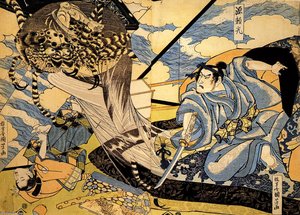
Musashi on the back of a whale للفنان أوتاغاوا كونيوشي

Musashi on the back of a whale

Woodblock Print

This arresting image, a masterful execution of Ukiyo-e by the legendary artist Utagawa Kuniyoshi, transports us to 19th century Japan. Kuniyoshi, born Yoshisaburō in 1798 and tragically passing in 1861, was a pivotal figure at the close of the *ukiyo-e* movement – a vibrant artistic tradition that captured the essence of everyday life during the Edo period. This particular scene, depicting Musashi, the famed swordsman, astride a colossal whale, is…

2
Shikamatsu Kanroku Yukishige (1847) للفنان أوتاغاوا كونيوشي

Shikamatsu Kanroku Yukishige

1847 · Woodblock Print

Utagawa Kuniyoshi’s “Shikamatsu Kanroku Yukishige” (circa 1847) is more than a depiction of a samurai; it’s a potent distillation of Japanese heroism, loyalty, and the fleeting beauty of a moment captured in woodblock form. This iconic image, part of Kuniyoshi's celebrated series “Stories of the True Loyalty of the Faithful Samurai,” transports us to a pivotal scene from the classic tale of Suikoden – a story of betrayal, redemption, and…

3
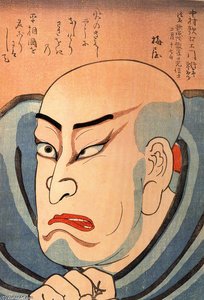
Hatakeyama sitting next to a Go board (1845) للفنان أوتاغاوا كونيوشي

Hatakeyama sitting next to a Go board

1845 · Acrylic On Canvas

Utagawa Kuniyoshi’s “Hatakeyama Sitting Next to a Go Board” is more than just a depiction of a solitary figure; it's a window into the heart of 19th-century Japan. Painted in 1845, during a period of immense social and artistic change, this ukiyo-e masterpiece captures a quiet moment of contemplation – a scene imbued with layers of meaning reflecting the values and aesthetics of the Edo period. Kuniyoshi, one of the…

4
Yukukawa Sanpei Munenori (1848) للفنان أوتاغاوا كونيوشي

Yukukawa Sanpei Munenori

1848 · Acrylic

This exceptional ukiyo-e print, created in 1848 by the master artist Utagawa Kuniyoshi, offers a captivating glimpse into the world of Edo-period Japan. Depicting Yukukawa Sanpei Munenori, a figure likely rooted in historical or legendary lore, the artwork is far more than a simple portrait; it’s a dynamic tableau brimming with action, symbolism, and the raw energy of a warrior's spirit. Kuniyoshi’s skill lies not just in his technical prowess…

5
The Twenty-four Paragons of Filial Piety in China , Script by Tanekazu : Min Ziqian (Bin Shiken) (1852) للفنان أوتاغاوا كونيوشي

The Twenty-four Paragons of Filial Piety in China , Script by Tanekazu : Min Ziqian (Bin Shiken)

1852 · Woodblock Print · مكتبة جامعة كيو, طوكيو

Utagawa Kuniyoshi’s “The Twenty-Four Paragons of Filial Piety,” created circa 1848/50, stands as a pinnacle achievement of *ukiyo-e*, the Japanese woodblock print tradition that flourished during the Edo period. More than just a visually arresting spectacle—a sprawling landscape dominated by towering mountains rendered in subtle shades of azure—this monumental print delves into profound philosophical concepts rooted in Buddhism and Confucianism, offering a timeless meditation on reverence for ancestors and the…

6
Ôtaka Gengo Tadao (1848) للفنان أوتاغاوا كونيوشي

Ôtaka Gengo Tadao

1848 · Woodblock Print

Within the vibrant tapestry of Ukiyo-e prints, few images capture the raw power and stoic determination of a warrior quite like Utagawa Kuniyoshi's "Otaka Gengo Tadao," created in 1848. This remarkable woodblock print isn’t merely a depiction of a samurai; it’s a window into the heart of Edo-period Japan, brimming with tales of loyalty, honor, and the enduring spirit of martial prowess. Kuniyoshi, one of the last masters of this…

7
Oki no Jiro Hiroari killing a monstrous tengu للفنان أوتاغاوا كونيوشي

Oki no Jiro Hiroari killing a monstrous tengu

Woodblock Print

In the vibrant world of Ukiyo-e, few scenes command the eye with as much visceral intensity as Utagawa Kuniyoshi’s masterpiece, Oki no Jiro Hiroari killing a monstrous tengu. This dynamic mythological painting serves as a window into a moment of profound struggle, where the boundaries between the human and the supernatural blur amidst a backdrop of dark, foreboding shadows. The composition is anchored by the figure of Oki no Jiro…

8
Battle of Uji River. Uji kawa kassen no zu للفنان أوتاغاوا كونيوشي

Battle of Uji River. Uji kawa kassen no zu

Acrylic On Canvas · متحف هامر, لوس أنجلوس

Utagawa Kuniyoshi’s “Battle of Uji River,” painted between 1848 and 1850, stands as a quintessential example of *nishiki-e*, or polychrome woodblock printing, capturing the fervor and grandeur of samurai warfare against a backdrop of breathtaking natural beauty. This monumental print transcends mere depiction; it’s an immersive experience designed to evoke emotion and convey profound themes of courage, resilience, and the ephemeral nature of glory.

لوحات أوتاغاوا كونيوشي، مرتبة من 11 إلى 100

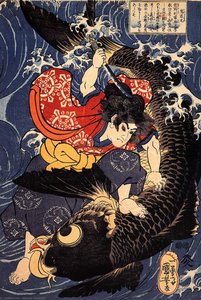
11The Twenty-four Paragons of Filial Piety in China , Script by Tanekazu : Ding Lan (Tei Ran) (1852) للفنان أوتاغاوا كونيوشيThe Twenty-four Paragons of Filial Piety in China , Script by Tanekazu : Ding Lan (Tei Ran)1852 · مكتبة جامعة كيو 12Thirty-six Famous Battles (1848) للفنان أوتاغاوا كونيوشيThirty-six Famous Battles1848 13Kiura Okaemon Sadayuki (1848) للفنان أوتاغاوا كونيوشيKiura Okaemon Sadayuki1848 14The Heavenly Weaver and the Heardsman (1842) للفنان أوتاغاوا كونيوشيThe Heavenly Weaver and the Heardsman1842 · Bristol Museum - Art Gallery 15Yata Gorôemon Suketake (1848) للفنان أوتاغاوا كونيوشيYata Gorôemon Suketake1848 16Oniwakamaru and the Giant Carp Fighting Underwater (1835) للفنان أوتاغاوا كونيوشيOniwakamaru and the Giant Carp Fighting Underwater1835 17A Votive Tablet with Masks of Kabuki Actors at Face Value للفنان أوتاغاوا كونيوشيA Votive Tablet with Masks of Kabuki Actors at Face ValueFukuoka City Museum 18The actor (12) للفنان أوتاغاوا كونيوشيThe actor (12) 19The Sixth Month (Right) (1849) للفنان أوتاغاوا كونيوشيThe Sixth Month (Right)1849 · المتحف البريطاني 20Bon-bon Uta,Children للفنان أوتاغاوا كونيوشيBon-bon Uta,ChildrenFukuoka City Museum 21Scene from the play “The Life of Onoe Kikugorō III”\n\nScene from the play “The Life of Onoe Kikugorō III” (1847) للفنان أوتاغاوا كونيوشيScene from the play “The Life of Onoe Kikugorō III”\n\nScene from the play “The Life of Onoe Kikugorō III”1847 · متحف آرت موسيم ريغا بورسا 22Minamoto Yorimitsu also known as Raiko للفنان أوتاغاوا كونيوشيMinamoto Yorimitsu also known as Raiko 23Mount Fuji from the Sumida River embankment (1842) للفنان أوتاغاوا كونيوشيMount Fuji from the Sumida River embankment1842 24A record of origins of the great country of Japan للفنان أوتاغاوا كونيوشيA record of origins of the great country of Japan 25The actor (16) للفنان أوتاغاوا كونيوشيThe actor (16) 26Seaweed Gatherers at Omari (1833) للفنان أوتاغاوا كونيوشيSeaweed Gatherers at Omari1833 27The ghost of Taira Tomomori للفنان أوتاغاوا كونيوشيThe ghost of Taira Tomomori 28Thaishun with elephants للفنان أوتاغاوا كونيوشيThaishun with elephants 29Raiko tormented by the earth spider للفنان أوتاغاوا كونيوشيRaiko tormented by the earth spider 30Benkei holdin a halberd للفنان أوتاغاوا كونيوشيBenkei holdin a halberd 31A samurai overwhelming a giant serpent للفنان أوتاغاوا كونيوشيA samurai overwhelming a giant serpent 32The Famous Unrivalled Hidari Jingoro للفنان أوتاغاوا كونيوشيThe Famous Unrivalled Hidari Jingoro 33Samurai and the conquered للفنان أوتاغاوا كونيوشيSamurai and the conquered 34Kamigashihime stabbing a giant spider للفنان أوتاغاوا كونيوشيKamigashihime stabbing a giant spider 35Vesper bell at Todaiji للفنان أوتاغاوا كونيوشيVesper bell at Todaiji 36Oniwakamaru about to kill the giant carp للفنان أوتاغاوا كونيوشيOniwakamaru about to kill the giant carp 37Uneme is exorcising the monstrous serpent from the lake للفنان أوتاغاوا كونيوشيUneme is exorcising the monstrous serpent from the lake 38Shoki and Demon, Edo period (1850) للفنان أوتاغاوا كونيوشيShoki and Demon, Edo period1850 · Arthur M. Sackler Gallery 39Nichiren going into exile on the island of Sado للفنان أوتاغاوا كونيوشيNichiren going into exile on the island of Sado 40Uchiwakamaru fighting Benkei on Gojo bridge للفنان أوتاغاوا كونيوشيUchiwakamaru fighting Benkei on Gojo bridge 41The young Benkei holding a pole للفنان أوتاغاوا كونيوشيThe young Benkei holding a pole 42New edition of the life of a hundred generals للفنان أوتاغاوا كونيوشيNew edition of the life of a hundred generals 43Sharks للفنان أوتاغاوا كونيوشيSharks 44Koga Saburo, suspendeding a basket, watching a dragon للفنان أوتاغاوا كونيوشيKoga Saburo, suspendeding a basket, watching a dragon 45Kamei Rokuro and the Black Bear in the Snow (1849) للفنان أوتاغاوا كونيوشيKamei Rokuro and the Black Bear in the Snow1849 46Hattara Sonja with his white tiger للفنان أوتاغاوا كونيوشيHattara Sonja with his white tiger 47Ishi-jo, wife of Oboshi Yoshio, one of the loyal ronin (1848) للفنان أوتاغاوا كونيوشيIshi-jo, wife of Oboshi Yoshio, one of the loyal ronin1848 48Untitled (D2X8SB) (801) للفنان أوتاغاوا كونيوشيUntitled (D2X8SB)801 · متحف المتروبوليتان للفنون 49Yoshida Sadaemon Kanesada (1848) للفنان أوتاغاوا كونيوشيYoshida Sadaemon Kanesada1848 50Hara Gôemon Mototoki (1848) للفنان أوتاغاوا كونيوشيHara Gôemon Mototoki1848 51Woodcut (1852) للفنان أوتاغاوا كونيوشيWoodcut1852 · Museum of Far Eastern Antiquities 52Woodcut (1852) للفنان أوتاغاوا كونيوشيWoodcut1852 · Museum of Far Eastern Antiquities 53Island Enoshima. The Fuji can be seen far away للفنان أوتاغاوا كونيوشيIsland Enoshima. The Fuji can be seen far away 54Hayano Kanpei Tsuneyo (1848) للفنان أوتاغاوا كونيوشيHayano Kanpei Tsuneyo1848 · متحف كليفلاند للفنون 55In the Waves at Kakuda enroute to Sado Island, Edo period (1835) للفنان أوتاغاوا كونيوشيIn the Waves at Kakuda enroute to Sado Island, Edo period1835 · Arthur M. Sackler Gallery 56Woman selling decorative bowls للفنان أوتاغاوا كونيوشيWoman selling decorative bowls 57A fierce depiction of Uesugi Kenshin seated (1844) للفنان أوتاغاوا كونيوشيA fierce depiction of Uesugi Kenshin seated1844 58The Twenty-four Paragons of Filial Piety in China, Script by Tanekazu : Emperor Wen of Han (Kan no Buntei) (1852) للفنان أوتاغاوا كونيوشيThe Twenty-four Paragons of Filial Piety in China, Script by Tanekazu : Emperor Wen of Han (Kan no Buntei)1852 · مكتبة جامعة كيو 59The Twenty-four Paragons of Filial Piety in China , Script by Tanekazu : Cai Shun (Sai Jun) (1852) للفنان أوتاغاوا كونيوشيThe Twenty-four Paragons of Filial Piety in China , Script by Tanekazu : Cai Shun (Sai Jun)1852 · مكتبة جامعة كيو 60Isoai Jûroemon Masahisa (1848) للفنان أوتاغاوا كونيوشيIsoai Jûroemon Masahisa1848 61Tokuda Sadaemon Yukitaka (1848) للفنان أوتاغاوا كونيوشيTokuda Sadaemon Yukitaka1848 62Tamakatzura Tamatori attacked by the octopus للفنان أوتاغاوا كونيوشيTamakatzura Tamatori attacked by the octopus 63Bijin with a dog in the snow (1845) للفنان أوتاغاوا كونيوشيBijin with a dog in the snow1845 64From Suikoden of Japanese Heroes للفنان أوتاغاوا كونيوشيFrom Suikoden of Japanese Heroes 65Hatakeyama Shigetada للفنان أوتاغاوا كونيوشيHatakeyama Shigetada 66The sailor Tokuso and the sea monster للفنان أوتاغاوا كونيوشيThe sailor Tokuso and the sea monster 67Tokiwa Gozen in the snow للفنان أوتاغاوا كونيوشيTokiwa Gozen in the snow 68Mongaku doing penace at the Nachi waterfall للفنان أوتاغاوا كونيوشيMongaku doing penace at the Nachi waterfall 69Eight Hundred Heroes of Our Country للفنان أوتاغاوا كونيوشيEight Hundred Heroes of Our Country 70The suicide of morozumi Masakiyo للفنان أوتاغاوا كونيوشيThe suicide of morozumi Masakiyo 71Tametomo rescued from the sea monster by tengu للفنان أوتاغاوا كونيوشيTametomo rescued from the sea monster by tengu 72Miyamoto Musashi killing a giant للفنان أوتاغاوا كونيوشيMiyamoto Musashi killing a giant 73The Twenty-four Paragons of Filial Piety in China , Script by Tanekazu : Tanzi (Enshi) (1852) للفنان أوتاغاوا كونيوشيThe Twenty-four Paragons of Filial Piety in China , Script by Tanekazu : Tanzi (Enshi)1852 · مكتبة جامعة كيو 74The Twenty-four Paragons of Filial Piety in China , Script by Tanekazu : Jiang Shi (Kyo Shi) (1852) للفنان أوتاغاوا كونيوشيThe Twenty-four Paragons of Filial Piety in China , Script by Tanekazu : Jiang Shi (Kyo Shi)1852 · مكتبة جامعة كيو 75Hawk للفنان أوتاغاوا كونيوشيHawk 76Tengu للفنان أوتاغاوا كونيوشيTengu 77Otsu-e Paintings Coming Alive Triptych (1847) للفنان أوتاغاوا كونيوشيOtsu-e Paintings Coming Alive Triptych1847 78Lady-in-Waiting at Edo Castle (1854) للفنان أوتاغاوا كونيوشيLady-in-Waiting at Edo Castle1854 79Bando Shuka I as the courtesan Shiraito of Hashimoto-ya (1852) للفنان أوتاغاوا كونيوشيBando Shuka I as the courtesan Shiraito of Hashimoto-ya1852 · Art Gallery of New South Wales 80Self-portrait of the Shunga album للفنان أوتاغاوا كونيوشيSelf-portrait of the Shunga album 81Saitogo Kunitake, Japanese actor (1816) للفنان أوتاغاوا كونيوشيSaitogo Kunitake, Japanese actor1816 82Kuroda Ukinaga, Japanese actor (1816) للفنان أوتاغاوا كونيوشيKuroda Ukinaga, Japanese actor1816 83Sosan returning to his mother (1840) للفنان أوتاغاوا كونيوشيSosan returning to his mother1840 84Strings for night firing للفنان أوتاغاوا كونيوشيStrings for night firing 85Woman catching firefly by a stream للفنان أوتاغاوا كونيوشيWoman catching firefly by a stream 86Nakamura Kansuke Tadatoki (1848) للفنان أوتاغاوا كونيوشيNakamura Kansuke Tadatoki1848 87Yazama Shinroku Mitsukaze (1848) للفنان أوتاغاوا كونيوشيYazama Shinroku Mitsukaze1848 88Oribe Yasubei Taketsune (1848) للفنان أوتاغاوا كونيوشيOribe Yasubei Taketsune1848 89Katsuta Shin'emon Taketaka (1848) للفنان أوتاغاوا كونيوشيKatsuta Shin'emon Taketaka1848 90Senzaki Yagorô Noriyasu (1848) للفنان أوتاغاوا كونيوشيSenzaki Yagorô Noriyasu1848 91Ôboshi Rikiya Yoshikane (1848) للفنان أوتاغاوا كونيوشيÔboshi Rikiya Yoshikane1848 92Hayano Wasuke Tsunenari (1848) للفنان أوتاغاوا كونيوشيHayano Wasuke Tsunenari1848 93Writing a Label for Chrysanthemums (1844) للفنان أوتاغاوا كونيوشيWriting a Label for Chrysanthemums1844 94Shikamatsu Kanroku’s Manservant, Jinzaburô (1848) للفنان أوتاغاوا كونيوشيShikamatsu Kanroku’s Manservant, Jinzaburô1848 95Tokiwa-Gozen with her three children in the snow (1840) للفنان أوتاغاوا كونيوشيTokiwa-Gozen with her three children in the snow1840 96Neve, the moon is chilling (1845) للفنان أوتاغاوا كونيوشيNeve, the moon is chilling1845 97Shoriko kaei shooting a wild goose للفنان أوتاغاوا كونيوشيShoriko kaei shooting a wild goose 98One Hundred and Eight Heroes from the Chinese Tale, The Water Margin- Zhang Shun, alias White Stripe... للفنان أوتاغاوا كونيوشيOne Hundred and Eight Heroes from the Chinese Tale, The Water Margin- Zhang Shun, alias White Stripe...متحف طوكيو الوطني 99Head of a Courtesan للفنان أوتاغاوا كونيوشيHead of a Courtesanمتاحف هارفارد للفنون 100Ishiyakushi للفنان أوتاغاوا كونيوشيIshiyakushi

لوحات أوتاغاوا كونيوشي الشهيرة، حسب الفترات الزمنية

المواضيع التي استأثرت باهتمام أوتاغاوا كونيوشي

المواضيع الأربعة التي تتكرر باستمرار في هذه الأعمال الأصلية، مع تقديم أروع مثال لكل منها.

المتاحف التي تحتفظ بالأعمال الأصلية لـ أوتاغاوا كونيوشي

المتاحف الـ 8 التي تضم أكبر عدد من اللوحات الموجودة في هذه الصفحة.

المتحف المدينة أعمال أوتاغاوا كونيوشي لوحات من هذه القائمة
مكتبة جامعة كيو, طوكيومكتبة جامعة كيو طوكيو 8 The Twenty-four Paragons of Filial Piety in China , Script by Tanekazu : Min Ziqian (Bin Shiken), The Twenty-four Paragons of Filial Piety in China , Script by Tanekazu : Guo Ju (Kaku Kyo), The Twenty-four Paragons of Filial Piety in China , Script by Tanekazu : Lu Ji (Riku Seki)
Fukuoka City Museum, FukuokaFukuoka City Museum Fukuoka 4 A Votive Tablet with Masks of Kabuki Actors at Face Value, Bon-bon Uta,Children
Arthur M. Sackler Gallery, واشنطن دي سيArthur M. Sackler Gallery واشنطن دي سي 2 Shoki and Demon, Edo period, In the Waves at Kakuda enroute to Sado Island, Edo period
Museum of Far Eastern Antiquities, StockholmMuseum of Far Eastern Antiquities Stockholm 2 Woodcut, Woodcut
متحف هامر, لوس أنجلوسمتحف هامر لوس أنجلوس 2 Battle of Uji River. Uji kawa kassen no zu
متحف طوكيو الوطني, طوكيومتحف طوكيو الوطني طوكيو 2 One Hundred and Eight Heroes from the Chinese Tale, The Water Margin- Zhang Shun, alias White Stripe...
Bristol Museum - Art Gallery, بريستولBristol Museum - Art Gallery بريستول 1 The Heavenly Weaver and the Heardsman
المتحف البريطاني, لندنالمتحف البريطاني لندن 1 The Sixth Month (Right)

أوتاغاوا كونيوشي، لوحة أيقونية واحدة لكل عقد

الأعمال حسب العقد

اختر عقداً لتشاهد العمل الأصلي الذي يجسده.

لوحات أوتاغاوا كونيوشي: إجابات المعرض

ما هي اللوحة الأكثر شهرة لـ أوتاغاوا كونيوشي على الإطلاق؟اكتشف الإجابة

Musashi on the back of a whale. يليه Shikamatsu Kanroku Yukishige (1847) و Hatakeyama sitting next to a Go board (1845).

ما هي أفضل 10 لوحات لـ أوتاغاوا كونيوشي؟اكتشف الإجابة

Musashi on the back of a whale, Shikamatsu Kanroku Yukishige, Hatakeyama sitting next to a Go board, Yukukawa Sanpei Munenori, The Twenty-four Paragons of Filial Piety in China , Script by Tanekazu : Min Ziqian (Bin Shiken), Ôtaka Gengo Tadao, Oki no Jiro Hiroari killing a monstrous tengu, Battle of Uji River. Uji kawa kassen no zu, The Twenty-four Paragons of Filial Piety in China , Script by Tanekazu : Guo Ju (Kaku Kyo) و The Twenty-four Paragons of Filial Piety in China , Script by Tanekazu : Lu Ji (Riku Seki). يوضح التصنيف أعلاه سنة كل لوحة والمتحف التابعة له.

كم عدد الأعمال التي أبدعها أوتاغاوا كونيوشي؟اكتشف الإجابة

يضم كتالوجنا 329 من أعمال أوتاغاوا كونيوشي، التي يعود تاريخها من 1816 إلى 1854.

أين تُعرض أشهر الأعمال الأصلية لـ أوتاغاوا كونيوشي؟اكتشف الإجابة

توجد غالبيتها في مكتبة جامعة كيو (طوكيو), Fukuoka City Museum (Fukuoka) و Arthur M. Sackler Gallery (واشنطن دي سي). يدرج جدول المتاحف أعلاه جميعها.

متى أبدع أوتاغاوا كونيوشي أشهر لوحاته؟اكتشف الإجابة

في 1840s: تم إنجاز 33 من أصل 100 من الأعمال في هذه الصفحة خلال تلك الفترة، من بينها Shikamatsu Kanroku Yukishige.

ما هي أشهر أعمال أوتاغاوا كونيوشي المبكرة والأخيرة؟اكتشف الإجابة

في هذه الصفحة، أقدم الأعمال يعود إلى Saitogo Kunitake, Japanese actor (1816) وأحدثها يعود إلى Lady-in-Waiting at Edo Castle (1854).

ما هي المواضيع التي عاد إليها أوتاغاوا كونيوشي أكثر من غيرها؟اكتشف الإجابة

Japanese art (15), Warrior (14) و Samurai (14)، عبر 100 من الأعمال في هذه الصفحة.

ما هو الوسيط الفني الذي استخدمه أوتاغاوا كونيوشي بشكل أكبر؟اكتشف الإجابة

Woodblock Print، لـ 56 من أصل 100 من الأعمال في هذه الصفحة.

ما هي المدرسة الفنية التي ينتمي إليها أوتاغاوا كونيوشي؟اكتشف الإجابة

Ukiyo-e، بناءً على الأعمال الأصلية في هذه الصفحة.

ما هي الأعمال الأصلية لـ أوتاغاوا كونيوشي التي تمتلكها مكتبة جامعة كيو؟اكتشف الإجابة

The Twenty-four Paragons of Filial Piety in China , Script by Tanekazu : Min Ziqian (Bin Shiken), The Twenty-four Paragons of Filial Piety in China , Script by Tanekazu : Guo Ju (Kaku Kyo) و The Twenty-four Paragons of Filial Piety in China , Script by Tanekazu : Lu Ji (Riku Seki): يضم مكتبة جامعة كيو, طوكيو 8 من الأعمال المعروضة في هذه الصفحة.

أوتاغاوا كونيوشي: الفنان

حياة غارقة في عالم العوامي

أوتاغاوا كونيوشي، وُلد يوشيسابورو في الأول من يناير عام 1798 في إيدو (طوكيو الحديثة)، ويقف شامخًا كآخر رواد تقاليد *أوكييو-إي* – "صور العالم العائم" التي تجسد ببراعة الحياة اليابانية خلال فترة إيدو. لم تبدأ رحلته وسط الأوساط الفنية، بل في مجال عمل والده العملي في صباغة الحرير. هذا التعرض المبكر للألوان والأنماط سيؤثر بشكل خفي على أعماله اللاحقة، مما يمنحها حيوية مميزة. ومع ذلك، حتى عندما كان طفلاً صغيرًا، كان كونيوشي مفتونًا بالعالم الدرامي لـ *أوكييو-إي*، وخاصة الصور البطولية للمحاربين والحرفيين التي تزين المطبوعات الشعبية. تركت هذه الانطباعات التكوينية شغفًا بداخله سيحدد مسار حياته. دخل استوديو أوتاغاوا تويوكوني الأول عام 1811، وتبنى اسم كونيوشي وبدأ تدريبًا صارمًا صقل مهاراته وقدمه إلى أعراف مدرسة أوتاغاوا.

من البدايات المتواضعة إلى الابتكار المتقن

تميزت بداية مسيرة كونيوشي بفترة من الغموض النسبي. على الرغم من إتقانه للأساليب الراسخة، إلا أنه كافح للعثور على صوته الفريد وسط المشهد المزدحم لطباعة إيدو. عكست أعماله الأولية إلى حد كبير أعمال معلمه، ولم تقدم شيئًا يميزه عن أقرانه. ومع ذلك، ثبت أن هذه الفترة من الاستكشاف كانت حاسمة. جرب أنواعًا وتقنيات مختلفة، وطور تدريجيًا نهجًا مميزًا يتميز بالتركيبات الديناميكية والألوان الجريئة وفهم متزايد لرواية القصص. جاء الاختراق في عام 1827 مع إصدار *مائة وثمانية أبطال رواية سويكودن الشعبية*، وهي سلسلة ضخمة تستند إلى الرواية الصينية *شوي هو تشوان*. أطلقت هذه العمل كونيوشي إلى الشهرة، وأثبتت مكانته كأستاذ لـ *موشا-إي* – مطبوعات المحاربين. لم تكن السلسلة مجرد توضيح للقصص البطولية؛ بل كانت عرضًا لموهبة كونيوشي الناشئة في التركيب الدرامي وتوصيف الشخصيات. لم يصور المحاربين ببساطة؛ بل أحياهم بمشاعر معقدة وتفاصيل دقيقة.

تجميع التقاليد والتأثير الغربي

ما يميز كونيوشي حقًا هو استعداده لاحتضان الابتكار مع بقائه متجذرًا بعمق في التقاليد الفنية اليابانية. مع اقتراب نهاية فترة إيدو، شهدت اليابان زيادة الاتصال بالغرب، وكان كونيوشي من أوائل فناني *أوكييو-إي* الذين دمجوا عناصر المنظور الغربي والتظليل في أعمالهم. لم يكن هذا مجرد تقليد؛ بل قام بدمج هذه التقنيات بمهارة لتعزيز العمق والواقعية والتأثير الدرامي. تظهر مناظره الطبيعية بشكل خاص إتقانه للتأثيرات الجوية والعلاقات المكانية، وغالبًا ما تستحضر شعورًا بالعظمة والإعجاب. بالإضافة إلى التقنية، وسع كونيوشي موضوع *أوكييو-إي*. في حين ظلت الموضوعات التقليدية مثل النساء الجميلات وممثلي الكابوكي شائعة، إلا أنه غامر في أراضٍ جديدة، وصور مشاهد تاريخية ومخلوقات أسطورية وتعليقات ساخرة على المجتمع المعاصر. يمثل عمله ثلاثي الأبعاد *في منزل ميناموتو يظهر عنكبوت الأرض كوحش* (1843) مثالًا رئيسيًا لهذا النهج الجريء، حيث يخفي ببراعة النقد السياسي داخل سرد خيالي.

إرث الرؤيوي

لا يمكن إنكار تأثير كونيوشي على الأجيال اللاحقة من الفنانين. ترك وراءه مجموعة واسعة ومتنوعة من الأعمال – يقدر عددها بأكثر من 5000 تصميمًا – والتي لا تزال تلهم الرهبة والإعجاب اليوم. مدمجه المبتكر للجماليات اليابانية التقليدية مع التقنيات الغربية فتح آفاقًا فنية جديدة، في حين أن استعداده لتحدي الأعراف وسع نطاق *أوكييو-إي*. درب العديد من الطلاب، بما في ذلك يوشيتوشي، الذين سيحملون إرثه إلى فترة ميجي.
  • سلسلة بارزة: *مائة وثمانية أبطال رواية سويكودن الشعبية*، وهو إنجاز رائد في طباعة المحاربين.
  • تركيبات متقنة: قدرته على خلق مشاهد ديناميكية ومذهلة بصريًا لا تزال لا مثيل لها.
  • تقنيات مبتكرة: دمج المنظور الغربي والتظليل أحدث ثورة في رسم المناظر الطبيعية لـ *أوكييو-إي*.
  • موضوع واسع: وسع حدود *أوكييو-إي*، واستكشف موضوعات وروايات جديدة.
فن كونيوشي هو أكثر من مجرد صور جميلة؛ إنه نافذة على حقبة رائعة، شهادة على قوة الابتكار الفني، واحتفال بالروح الدائمة لليابان. يبقى شخصية محورية في تاريخ الفن الياباني، ولا يزال عمله يتردد صداه مع الجماهير حول العالم. توفي في الرابع عشر من أبريل عام 1861، تاركًا وراءه إرثًا رسخ مكانته كواحد من أعظم معلمي *أوكييو-إي*.