


1


تحديث أكتوبر 2026 · مُرتبة حسب مؤشر شعبيتنا (عمليات البحث، والزيارات، والطلبات لكل عمل فني) · 147 أعمال لـ كوينتين ماتسيس في كتالوجنا
In short
Of all the originals كوينتين ماتسيس left, the most famous is An Old Woman ('The Ugly Duchess') (1513). Close behind it come The Moneylender and his Wife (1514) and Portrait of Erasmus of Rotterdam (1517). Our catalog holds 147 works by كوينتين ماتسيس; the gallery has kept the 100 the world admires most, each shown with its date, its museum and its story.
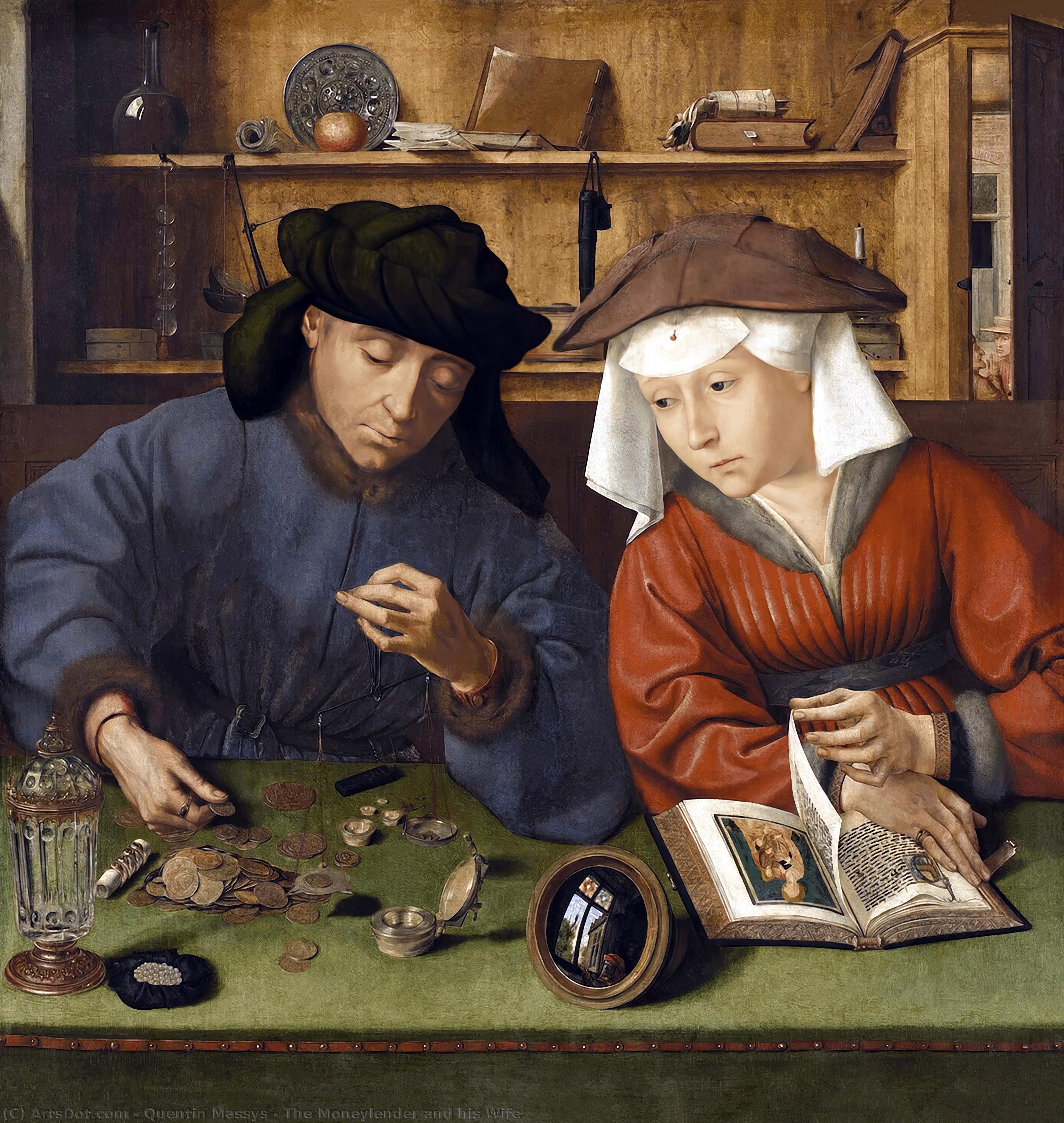
In the quiet intimacy of Quentin Massys’s 1514 masterpiece, The Moneylender and his Wife, we are invited to step across the threshold of time and into a world of profound domesticity and silent narrative. This oil on panel work, currently preserved in the hallowed halls of the Musée du Sobornik in the Louvre, serves as a breathtaking exemplar of the Antwerp School’s mastery. At first glance, the scene presents a…

To stand before this portrait is to step directly into the vibrant intellectual currents of the early sixteenth century. Quentin Massys has captured not merely a likeness, but an entire state of being—the profound concentration of a Renaissance mind at work. The subject, Erasmus of Rotterdam, radiates the quiet authority of scholarship. Dressed in the somber black attire typical of learned men of his era, he is seated amidst the…

Quentin Massys’s *The Moneylender and His Wife*, painted in 1514, stands as a pivotal work within the burgeoning Antwerp School—a movement that decisively reshaped Northern European painting during the High Renaissance. More than just a portrait of a wealthy merchant family, it embodies a complex interplay of observation, satire, and humanist ideals, reflecting the anxieties and aspirations of its time.

In the quiet, hallowed atmosphere of the Staatliche Museen Berlin, there exists a window into the spiritual heart of the sixteenth century. Quentin Massys’ “The Virgin Enthroned,” completed around 1525, is far more than a mere religious portrait; it is a profound meditation on grace and the intersection of the earthly and the divine. As a cornerstone of the Antwerp School, this masterpiece captures a pivotal moment in art history…

The portrait presents a frontal, bust-length view of Christ, positioned centrally against a dark, undifferentiated background. The subject's face is illuminated by a soft, diffused light that defines the contours of the nose, the jawline, and the orbital sockets. A golden halo, composed of fine, radiating lines, emanates from behind the head, creating a sharp contrast with the deep tones of the backdrop. The hair is rendered in long, wavy…

The painting is a portrait of an elderly woman, depicted from just above the waist up. She is presented with striking and exaggerated facial features, including a large head, a prominent nose with nostrils that flare upward, and a face covered in deep wrinkles and pocked textures. Her neck appears long and thin, and she possesses a prominent wart on her right cheek. The subject wears a substantial, elaborately embroidered…

Step closer to the panel and observe the sheer honesty of the skin. There is no attempt here to soften the features or hide the ravages of time. We see a face marked by deep wrinkles, pocked textures, and a prominent wart on the right cheek. The nose is short, with nostrils that flare upward, while the lips remain thin and pinched. It is a heavy, visceral depiction of humanity.…

To gaze upon this exquisite detail from Quentin Massys’s 1514 masterpiece, The Moneylender and His Wife, is to be invited across the threshold of a meticulously preserved moment in time. It is not merely a fragment of paint on panel; it is a concentrated jewel box of Northern Renaissance life, rich with unspoken narratives and dazzling technical mastery. The scene, captured from the legendary work housed at the Musée du…

To gaze upon this detail from Quentin Massys's The Moneylender and his Wife is to be invited across the threshold of a meticulously preserved moment in time. It is not merely a fragment of paint on panel; it is a concentrated jewel box of Northern Renaissance life, rich with unspoken narratives and dazzling technical mastery. The scene, captured from the masterpiece housed in the Musée du Louvre, draws the eye…
 The Adoration of the Magi1526 · متحف المتروبوليتان للفنون
12
 St Anne Altarpiece (detail)1507 · Musées Royaux des Beaux-Arts
13
 St Anne Altarpiece (left wing)1507 · Musées Royaux des Beaux-Arts
14
 The Moneylender and his Wife (detail)1514 · متحف اللوفر
15
 St Anne Altarpiece1507 · Musées Royaux des Beaux-Arts
16
 St Anne Altarpiece (central panel)1507 · Musées Royaux des Beaux-Arts
17
 Diptych - Christ and the Virgin
18
 Saint Mary Magdalene1515 · متحف فيلادلفيا للفنون
19
 Saint John the Baptist1511 · المتحف الملكي للفنون الجميلة في أنتويرب
20
 Christ1529 · متحف المتروبوليتان للفنون
21
 The Deathbed of Saint Anne1509 · المتاحف الملكية للفنون الجميلة في بلجيكا
22
 Saint Mary of Egypt1515 · متحف فيلادلفيا للفنون
23
 Jacob Obrecht1496 · Kimbell Art Museum
24
 A Bagpiper1513 · معرض ييل الجامعي للفنون
25
 Christ the Saviour1529 · متحف برادو
26
 Madonna and Child1530 · Mauritshuis
27
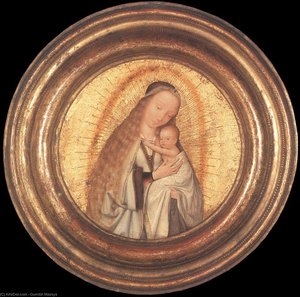 Virgin with the ChildRockox House
28
 Mary with Child (Copy after a lost original)1512 · مجموعات بافاريا الحكومية للرسم
29
 The Refusal of the Offering of Joachim1509 · المتاحف الملكية للفنون الجميلة في بلجيكا
30
 Jesus Among the Doctors1509 · المتحف الوطني للفنون القديمة
31
 Portrait of a man1517 · Staatliche Kunsthalle Karlsruhe
32
 Saint John and the Women at the Tomb of Christ1509 · المتحف الوطني للفنون القديمة
33
 Virgin and Child1520 · متحف بويجمانس فان بيونينغن
34
 Madonna and Child1490 · المتحف الوطني في وارسو
35
 Portrait of Pieter Gillis1517 · غاليريا نازيونال د آرت آنتيكا
36
 Lamentation of Christ1501 · المتحف الوطني في وارسو
37
 Saint Jerome1512 · متحف فيلادلفيا للفنون
38
 The Virgin in prayer1529 · متحف برادو
39
 Saint John1511 · المتحف الملكي للفنون الجميلة في أنتويرب
40
 Head of a Mourning Woman1500 · Gemäldegalerie
41
 Head of a Mourning Woman1500 · Gemäldegalerie
42
 Man of Sorrows1500 · مجموعات بافاريا الحكومية للرسم
43
 Virgin and Child Enthroned1490 · Kunsthandel P. de Boer
44
 Salome is given the head of John the Baptist1511 · المتحف الملكي للفنون الجميلة في أنتويرب
45
 The Seven Sorrows of the Virgin1500 · المتاحف الملكية للفنون الجميلة في بلجيكا
46
 Rem Altar: Saint Roch with the Angel (Reverse: Saint Anne Selbdritt)1518 · مجموعات بافاريا الحكومية للرسم
47
 Rem Altarpiece: Mary with Child1518 · مجموعات بافاريا الحكومية للرسم
48
 Rem Altar: Holy Trinity ("Throne of Grace")1518 · مجموعات بافاريا الحكومية للرسم
49
 Rem Altarpiece: Martyrdom of Saint Sebastian (Reverse: Saint Luke)1518 · مجموعات بافاريا الحكومية للرسم
50
 Two Old Men in Prayer1515
51
 Presentation at the Temple1509 · المتحف الوطني للفنون القديمة
52
 The Lamentation1510 · المعرض الوطني الكندي
53
 Salvator Mundi (Christ Blessing)1512 · متحف الفنون الجميلة
54
 Dead Christ1530 · معرض ييل الجامعي للفنون
55
 The Rest on the Flight into Egypt1513 · Worcester Art Museum
56
 Desiderius Erasmus (1466-1536)1517 · Royal Collection
57
 The Virgin and Child1512 · Museum of Fine Arts Ghent (MSK)
58
 Christ Salvator Mundi and Mary at Prayer1505 · المتحف الملكي للفنون الجميلة في أنتويرب
59
 Portrait of an old woman1510
60
 Portrait of Petrus Aegidius (1486-1533)1514
61
 The Lamentation1512 · Onze-Lieve Vrouwekathedraal
62
 Portrait of a man1508 · Kunsthandel P. de Boer
63
 St Anne Altarpiece1507 · المتاحف الملكية للفنون الجميلة في بلجيكا
64
 The purchase agreement1510 · Gemäldegalerie
65
 Madonna and Child with the lamb.1513 · The National Museum in Poznań
66
 Portrait of a Humanist1512 · Musée des Beaux-Arts de Strasbourg
67
 Saint Elizabeth of Portugal1524 · Gemäldegalerie
68
 Portrait of Don Manuel de Menens1530
69
 Saint Jerome in his cell1524 · متحف الفنون التاريخية
70
 Christ Driving the Money-changers from the Temple1520 · المتحف الملكي للفنون الجميلة في أنتويرب
71
 Portrait of een geestelijke (twijfelachtig geïdentificeerd als Jean Carondelet)1525 · Barber Institute of Fine Arts
72
 An Allegory of Folly1528
73
 The Two Tax Collectors1530 · Gemäldegalerie
74
 Mourning Woman from a Lamentation1520 · Gemäldegalerie
75
 Portrait of a man with a letter in his hand1520 · Gemäldegalerie
76
 Virgin and Child with Saints Elizabeth and John the Baptist1522
77
 Portrait of An Old Man1524
78
 Crucifixion1520 · المعرض الوطني الكندي
79
 Christ carrying the cross1505 · المتحف الوطني للفنون القديمة
80
 Calvary1505 · المتحف الوطني للفنون القديمة
81
 Madonna and Child1520 · معهد ديترويت للفنون
82
 Portrait of a Canon1510 · Liechtenstein Museum
83
 Man with Glasses1523 · Städelsche Kunstinstitut Und Städtische Galerie
84
 Anne and Joachim Present Their Goods to the Temple1509 · المتاحف الملكية للفنون الجميلة في بلجيكا
85
 Mary Magdalene1505 · معهد ديترويت للفنون
86
 John the Baptist and St Agnes1520 · متحف فالراف ريتشارتس
87
 Ecce Homo (detail)1526 · قصر دوجي
88
 The Crucifixion1515 · المعرض الوطني
89
 Ecce Homo (detail)1526 · قصر دوجي
90
 Ecce Homo1526 · قصر دوجي
91
 Virgin and Child1529 · Mauritshuis
92
 Workshop of )1500
93
 Our Lady of Sorrows1500 · المتحف الوطني للفنون القديمة
94
 St John Altarpiece (detail)1507 · كونينكليك موزييم فيور آرتس آنتيويرب
95
 St John Altarpiece (right wing)1507 · كونينكليك موزييم فيور آرتس آنتيويرب
96
 St John Altarpiece (left wing)1507 · كونينكليك موزييم فيور آرتس آنتيويرب
97
 Peter Gillis1517
98
 Portrait of Cornelia Sandrin1514 · Oldenburg State Museum for Art and Cultural History
99
 Christ on the Cross with Donors (detail)1520 · Museum Mayer van den Bergh
100
 Portrait of a Woman1520 · متحف المتروبوليتان للفنون
The four subjects that come back most often in these originals, each with its finest example.
المتاحف الـ 8 التي تضم أكبر عدد من اللوحات الموجودة في هذه الصفحة.
| المتحف | المدينة | أعمال كوينتين ماتسيس | لوحات من هذه القائمة |
|---|---|---|---|
 Gemäldegalerie |
برلين | 8 | Head of a Mourning Woman, Head of a Mourning Woman, The purchase agreement |
 المتحف الملكي للفنون الجميلة في أنتويرب |
أنتويرب | 7 | Christ as Salvator Mundi, Saint John the Baptist, Saint John |
 مجموعات بافاريا الحكومية للرسم |
ميونخ | 7 | Mary with Child (Copy after a lost original), Man of Sorrows, Rem Altar: Saint Roch with the Angel (Reverse: Saint Anne Selbdritt) |
 المتحف الوطني للفنون القديمة |
لشبونة | 6 | Jesus Among the Doctors, Saint John and the Women at the Tomb of Christ, Presentation at the Temple |
 المتاحف الملكية للفنون الجميلة في بلجيكا |
بروكسل | 6 | The Deathbed of Saint Anne, The Refusal of the Offering of Joachim, The Seven Sorrows of the Virgin |
 Musées Royaux des Beaux-Arts |
بروكسل | 6 | St Anne Altarpiece (detail), St Anne Altarpiece (left wing), St Anne Altarpiece |
 متحف اللوفر |
باريس | 5 | The Moneylender and his Wife, The Moneylender and his Wife (detail), The Moneylender and his Wife (detail) |
 كونينكليك موزييم فيور آرتس آنتيويرب |
أنفيربர்க் | 7 | St John Altarpiece (detail), St John Altarpiece (right wing), St John Altarpiece (left wing) |
Pick a decade to see the original that defines it.

In this 1496 portrait, we find ourselves in the presence of Jacob Obrecht, a man whose life was defined by the precision of musical notation and the solemnity of the liturgy. The sitter is captured in a three-quarter pose, his hands clasped in a gesture of quiet contemplation or perhaps prayer. There is a stillness here that feels intentional, as if the subject has paused mid-thought to acknowledge the viewer.…
The portrait presents a frontal, bust-length view of Christ, positioned centrally against a dark, undifferentiated background. The subject's face is illuminated by a soft, diffused light that defines the contours of the nose, the jawline, and the orbital sockets. A golden halo, composed of fine, radiating lines, emanates from behind the head, creating a sharp contrast with the deep tones of the backdrop. The hair is rendered in long, wavy…
In the quiet, hallowed atmosphere of the Staatliche Museen Berlin, there exists a window into the spiritual heart of the sixteenth century. Quentin Massys’ “The Virgin Enthroned,” completed around 1525, is far more than a mere religious portrait; it is a profound meditation on grace and the intersection of the earthly and the divine. As a cornerstone of the Antwerp School, this masterpiece captures a pivotal moment in art history…

To gaze upon this depiction of the Madonna and Child is to step directly into the hushed reverence of the High Renaissance. It is more than just a portrait; it is a profound meditation on maternal love, divine connection, and enduring devotion. The composition centers with breathtaking tenderness on the Virgin Mary cradling the infant Jesus. Her posture speaks of serene acceptance, while the gentle interaction—the kiss upon her cheek…
An Old Woman ('The Ugly Duchess') (1513). The Moneylender and his Wife (1514) and Portrait of Erasmus of Rotterdam (1517) come next.
47 years old: An Old Woman ('The Ugly Duchess') dates from 1513, and كوينتين ماتسيس was born in 1466.
An Old Woman ('The Ugly Duchess'), The Moneylender and his Wife, Portrait of Erasmus of Rotterdam, The Moneylender and his Wife, The Virgin Enthroned, Christ as Salvator Mundi, The Ugly Duchess, A Grotesque Old Woman (also known as The Ugly Duchess), The Moneylender and his Wife (detail) و The Moneylender and his Wife (detail). The ranking above gives each one's year and museum.
Our catalog holds 147 works by كوينتين ماتسيس, dated from 1490 to 1530.
Mostly in Gemäldegalerie (برلين), المتحف الملكي للفنون الجميلة في أنتويرب (أنتويرب) و مجموعات بافاريا الحكومية للرسم (ميونخ). The museum table above lists them all.
In 1510s: 38 of the 100 works on this page were made then, An Old Woman ('The Ugly Duchess') among them.
On this page, the earliest is Madonna and Child (1490) and the latest Madonna and Child (1530).
Woman (17), Man (16) و Child (8), across the 100 works on this page.
Oil On Panel, for 35 of the 100 works on this page.
Northern renaissance, judging by the originals on this page.
Head of a Mourning Woman, Head of a Mourning Woman و The purchase agreement: the Gemäldegalerie, برلين holds 7 of the works on this page.
Yes, as a reproduction: the original stays in its museum, but any painting on this page can be painted by hand for you, made to order one at a time, from the painting's own page.
في المشهد النابض بالحياة والمتنامي للأراضي المنخفضة في القرن السادس عشر، لا يتردد صدى أسماء تحمل أهمية تأسيسية بقدر اسم كوينتين ماسيس. فغالباً ما يُحتفى به كرائد لمدرسة أنتويرب، حيث كان رساماً نجح في جسر الفجوة بين التفاني الروحي الدقيق لتقاليد فن هولندا المبكرة وبين النزعة الإنسانية المتصاعدة لعصر النهضة الشمالي. وُلد ماسيس حوالي عام 1arg66 في لوفان ببلجيكا، ولا تزال حياته المبكرة عبارة عن نسيج من الأساطير والشذرات التاريخية؛ إذ تهمس سجلات تاريخ الفن بأنه قبل أن يمسك بفرشاة الرسم الرقيقة، كان قد تدرب كحداد—وهي تفصيلة تضفي ثقلاً ملموساً وعميقاً على براعته اللاحقة في تجسيد الملمس والمواد. ومن المرجح أن هذه الخلفية في صناعة المعادن قد غرست فيه تقديراً فريداً للعالم المادي، مما سمح له بتصوير بريق الحرير، ولمعان العملات المعدنية البارد، وبشرة البشر التي غزاها الزمن بدقة لا تضاهى.
ومع انتقاله من الأجواء الأكاديمية في لوفان إلى المركز التجاري الصاخب في أنتويرب حوالي عام 1490، بدأ ماسيس في نسج خيطه الخاص والمتميز في نسيج الفن الفلامنكي. إن تدريبه المبكر، الذي ربما كان تحت إشراف ديرك بوتس، ربطه بسلالة من الأساتذة مثل هانس ميملينغ وروجييه فان در ويدن. ومن هؤلاء الأسلاف، ورث شغفاً بـ المحاكاة الواقعية—أي السعي وراء الحقيقة في التمثيل الفني. ومع ذلك، لم يكن ماسيس مجرد مقلد؛ فبينما حافظ على التفاصيل الرائعة التي ميزت أسلافه، فقد ضخ في أعماله حيوية جديدة ومتنامية، ورغبة في استكشاف تعقيدات الحالة الإنسانية من خلال الوقار الديني والتعليق الاجتماعي اللاذع على حد سواء.
تكمن عبقرية ماسيس في قدرته المذهلة على التنقل بين عالمين يبدوان متباعدين: المقدس والدنيوي. فمن ناحية، تعمل تكويناته الدينية كتأملات عميقة في الإيمان؛ ففي أعمال مثل المسيح على الصليب مع المتبرعين، يجسد الثقل العاطفي الخام لعملية الصلب، مستخدماً حس عصر النهضة العالي لتقديم مشهد مؤثر للغاية ومتقن تقنياً في آن واحد. إن قدرته على تصوير الإلهي من خلال عدسة المعاناة الإنسانية سمحت لموضوعاته الدينية بأن تلامس الوجدان بحميمية ملموسة، مما جعل الروحاني شيئاً محسوساً للمشاهد.
وعلى النقيض من ذلك، كان ماسيس سيداً في النوع الساخر، حيث استخدم فرشته ليعكس واقع الأخلاق الاجتماعية المتغيرة في عصره. لقد امتلك عيناً ثاقبة لعيوب البشرية، فغالباً ما ابتكر مشاهد تمزج بين الواقعية والفكاهة المتهكمة اللطيفة. وتتجلى هذه الازدواجية بوضوح في أسلوبه في رسم الصور الشخصية وفن النوع (Genre Painting)، حيث كان بإمكانه الانتقال من الجمال الهادئ للوحة العذراء والطفل إلى التصويرات الأكثر تعقيداً وطبقات أخلاقية للحياة المعاصرة. لقد استكشفت أعماله غالباً موضوعات الجشع، والغرور، والتوتر بين الثروة المادية والنقاء الروحي، مما جعله مقدمة لكبار رسامي النوع الذين سيأتون في القرون التالية.
لا يمكن المبالغة في الأهمية التاريخية لكوينتين ماسيس؛ فقد كان المحفز لثورة فنية في أنتويرب. ومن خلال تقديم زخارف وتقنيات جديدة مع البقاء متمسكاً بالتقاليد الغنية لوطنه، وضع المخطط الأساسي لمدرسة رسم هيمنت على فلاندرز طوال القرن السادس عشر. ويمكن تتبع تأثيره عبر تطور فن شمال أوروبا، حيث مهد الطريق لأسلوب أكثر تعبيراً وملاحظة، احتضن تعقيدات العالم الحديث.
اليوم، نحن لا نتذكر ماسيس كمجرد حرفي، بل كحكواتي جسد روح حقبة بأكملها. إن إرثه محفوظ في القوة الخالدة لصور الفنية:


