بورتريه لـ Gislebertus

أشهر 11 لوحات لـ Gislebertus، كل واحدة منها فريدة من نوعها

تحديث أكتوبر 2026 · مُرتبة حسب مؤشر شعبيتنا (عمليات البحث، والزيارات، والطلبات لكل عمل فني) · 11 أعمال لـ Gislebertus في كتالوجنا

باختصار

تُعد Tympanum of the main portal (detail) (1130) اللوحة الأكثر جذباً للأنظار للفنان Gislebertus؛ والنسخة الأصلية محفوظة في كاتدرائية سانت لازار في أوتان، أوتون. بعد ذلك، تتجه العين إلى Pilgrims (1120) و Last Judgment (detail) (1130). من بين 11 من أعمال Gislebertus في كتالوجنا، تُعد هذه 11 الأعمال هي الأكثر شهرة، حيث تُعرض كل واحدة منها كعمل أصلي فريد مع سنة إنتاجها، والمتحف الذي تضمّه، والسبب وراء خلودها.

1120 – 1135 Romanesque أكبر مجموعة أعمال: كاتدرائية سانت لازار في أوتان

أفضل 10 لوحات لـ Gislebertus، بعيون المعرض

1
Tympanum of the main portal (detail) (1130) للفنان Gislebertus

Tympanum of the main portal (detail)

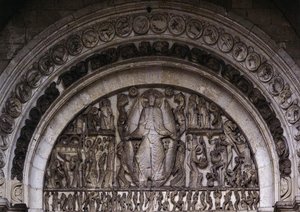
The Tympanum of the main portal (detail) by Gislebertus emerges from the stone of the Saint-Lazare Cathedral in Autun, France. Created about 1130, this relief captures a profound moment of divine reckoning. It presents a scene from the Last Judgment, where the boundaries between the earthly and the eternal seem to dissolve. The figures move with a frantic, stylized energy that defines the Romanesque style. Every carved line speaks to…

2
Pilgrims (1120) للفنان Gislebertus

Pilgrims

In the stone of Saint Lazare Cathedral in Autun, France, the relief titled Pilgrims captures a moment of quiet devotion. Created by the French Romanesque sculptor Gislebertus about 1120, the work depicts figures caught in a singular act of prayer. These travelers move through the heavy, carved medium to find a stillness in the midst of their movement. The stone holds the weight of their supplication.

3
Last Judgment (detail) (1130) للفنان Gislebertus

Last Judgment (detail)

The work before us is the Last Judgment (detail) by Gislebertus. This relief carving, created about 1130, offers a focused view of the profound theological drama unfolding within the Saint-Lazare Cathedral in Autun, France. It is situated within the Кафедральний собор Святого Лазаря в Отюні, Autun, where it remains a central element of the cathedral's architectural and spiritual program.

10
إعدام يوحنا القبطان (1120) للفنان Gislebertus

إعدام يوحنا القبطان

1120 · ألوان أكريليك على كانفاس مشدود · كاتدرائية سانت لازار في أوتان, أوتون

يُعد تمثال يسوع القاتل الذي قام به جيسبيرتوس أحد أبرز التحف الفنية في العصر الروماني، ويجسد عمقًا تاريخيًا ودينيًا يتجاوز حدود الزمان والمكان. هذا العمل الفني الفريد، الذي يقع في كاتدرائية سانت لازار في مدينة أوتون الفرنسية، ليس مجرد صورة لشخصية دينية، بل هو تعبير عن رؤية فنية تتأثر بشدة بالقيم المسيحية وتستلهم الأساطير الكتابية.

لوحات Gislebertus الشهيرة، من رقم 11 إلى 11

المواضيع التي استأثرت باهتمام Gislebertus

المواضيع الأربعة التي تتكرر باستمرار في هذه الأعمال الأصلية، مع تقديم أروع مثال لكل منها.

المتاحف التي تحتفظ بالأعمال الأصلية لـ Gislebertus

المتاحف 2 التي تضم أكبر عدد من اللوحات الموجودة في هذه الصفحة.

المتحف المدينة أعمال Gislebertus لوحات من هذه القائمة
كاتدرائية سانت لازار في أوتان, أوتونكاتدرائية سانت لازار في أوتان أوتون 9 Tympanum of the main portal (detail), Pilgrims, Last Judgment (detail)
Musée Rolin, AutunMusée Rolin Autun 1 Eve

Gislebertus عبر السنين: الأعمال الأصلية الفريدة لكل منها

جميع الأعمال الأصلية للفنان Gislebertus والمؤرخة هنا تنتمي إلى عام واحد، وهو 1130؛ وهي معروضة حسب ترتيب شهرتها.

الأعمال حسب السنة

اختر سنة لعرض أعمالها الأصلية.

لوحات Gislebertus: أسئلة حول المعرض

ما هو العمل الأكثر شهرة لـ Gislebertus؟اكتشف الإجابة

Tympanum of the main portal (detail) (1130)، كاتدرائية سانت لازار في أوتان, أوتون. ويليها Pilgrims (1120) وLast Judgment (detail) (1130).

في أي عمر أبدع Gislebertus عمل Tympanum of the main portal (detail)؟اكتشف الإجابة

عمر 10 عاماً: يعود تاريخ Tympanum of the main portal (detail) إلى 1130، وقد وُلد Gislebertus في 1120.

ما هي أشهر عشر لوحات للفنان Gislebertus؟اكتشف الإجابة

Tympanum of the main portal (detail), Pilgrims, Last Judgment (detail), Dream of the Magi, Tympanum of the main portal, Eve, Last Judgment, Main portal, Last Judgment (detail) و إعدام يوحنا القبطان. يوضح التصنيف أعلاه سنة كل لوحة والمتحف التابعة له.

كم عدد الأعمال المعروفة لـ Gislebertus؟اكتشف الإجابة

يضم دليلنا 11 من أعمال Gislebertus.

أين يمكن مشاهدة الأعمال الأصلية الأكثر شهرة لـ Gislebertus؟اكتشف الإجابة

توجد غالبيتها في كاتدرائية سانت لازار في أوتان (أوتون) و Musée Rolin (Autun). يدرج جدول المتاحف أعلاه جميعها.

في أي فترة زمنية أبدع Gislebertus أشهر لوحاته؟اكتشف الإجابة

في 1130: تم إنجاز 7 من أصل 11 من الأعمال في هذه الصفحة خلال تلك الفترة، من بينها Tympanum of the main portal (detail).

ما هي الموضوعات التي كان Gislebertus يفضلها؟اكتشف الإجابة

Medieval art (3), Autun cathedral (3) و People (2)، عبر 11 من الأعمال في هذه الصفحة.

ما هي المواد التي استخدمها Gislebertus في الرسم أكثر من غيرها؟اكتشف الإجابة

Stone، لـ 3 من أصل 11 من الأعمال في هذه الصفحة.

إلى أي مدرسة فنية ينتمي عمل Gislebertus؟اكتشف الإجابة

Romanesque، بناءً على الأعمال الأصلية في هذه الصفحة.

ما هي الأعمال الأصلية لـ Gislebertus التي يمكنني رؤيتها في كاتدرائية سانت لازار في أوتان؟اكتشف الإجابة

Tympanum of the main portal (detail), Pilgrims و Last Judgment (detail): يضم كاتدرائية سانت لازار في أوتان, أوتون 9 من الأعمال المعروضة في هذه الصفحة.

أين يمكنني طلب نسخة مرسومة يدوياً من أعمال Gislebertus؟اكتشف الإجابة

نعم، كنسخة طبق الأصل: تظل اللوحة الأصلية في متحفها، ولكن يمكن رسم أي لوحة في هذه الصفحة يدوياً من أجلك، وتُنفذ حسب الطلب قطعة بقطعة، وذلك من خلال صفحة اللوحة نفسها.

Gislebertus: صورة شخصية للفنان

Gislebertus: The Sculptor of Autun Cathedral’s Divine Vision

Gislebertus, a name etched in stone and whispered through the centuries, stands as one of the most remarkable figures of Romanesque sculpture. Specifically celebrated for his profound contribution to Saint Lazare Cathedral in Autym, France, he emerged from the fertile artistic landscape of Burgundy during a period profoundly shaped by religious fervor and burgeoning architectural ambition. Born sometime around 1120, Gislebertus lived through an era where art served as the primary language of the faithful. While biographical details remain scarce, scholars believe he was trained at Cluny Abbey, arguably the epicenter of European monastic art and intellectual life at the time. This formative experience instilled in him a deep understanding of biblical narratives and imbued his work with an unwavering devotion to Christian themes.

His initial role at Cluny involved assisting the master sculptor, cementing his position within a tradition prioritizing didactic storytelling—conveying moral lessons through visual representation. The cathedral’s ambitious project demanded exceptional skill, and Gislebertus quickly established himself as a pivotal talent. Recognizing the importance of providing solace to pilgrims afflicted with leprosy—a prevalent ailment during the 12th century—the Abbey envisioned Saint Lazare as more than just a place of worship; it was intended as a sanctuary for the marginalized. This vision profoundly impacted Gislebertus’ artistic sensibilities, prompting him to create reliefs that resonated with compassion and hope, featuring imagery designed to uplift those facing immense suffering.

Mastery of Emotion and Narrative Relief

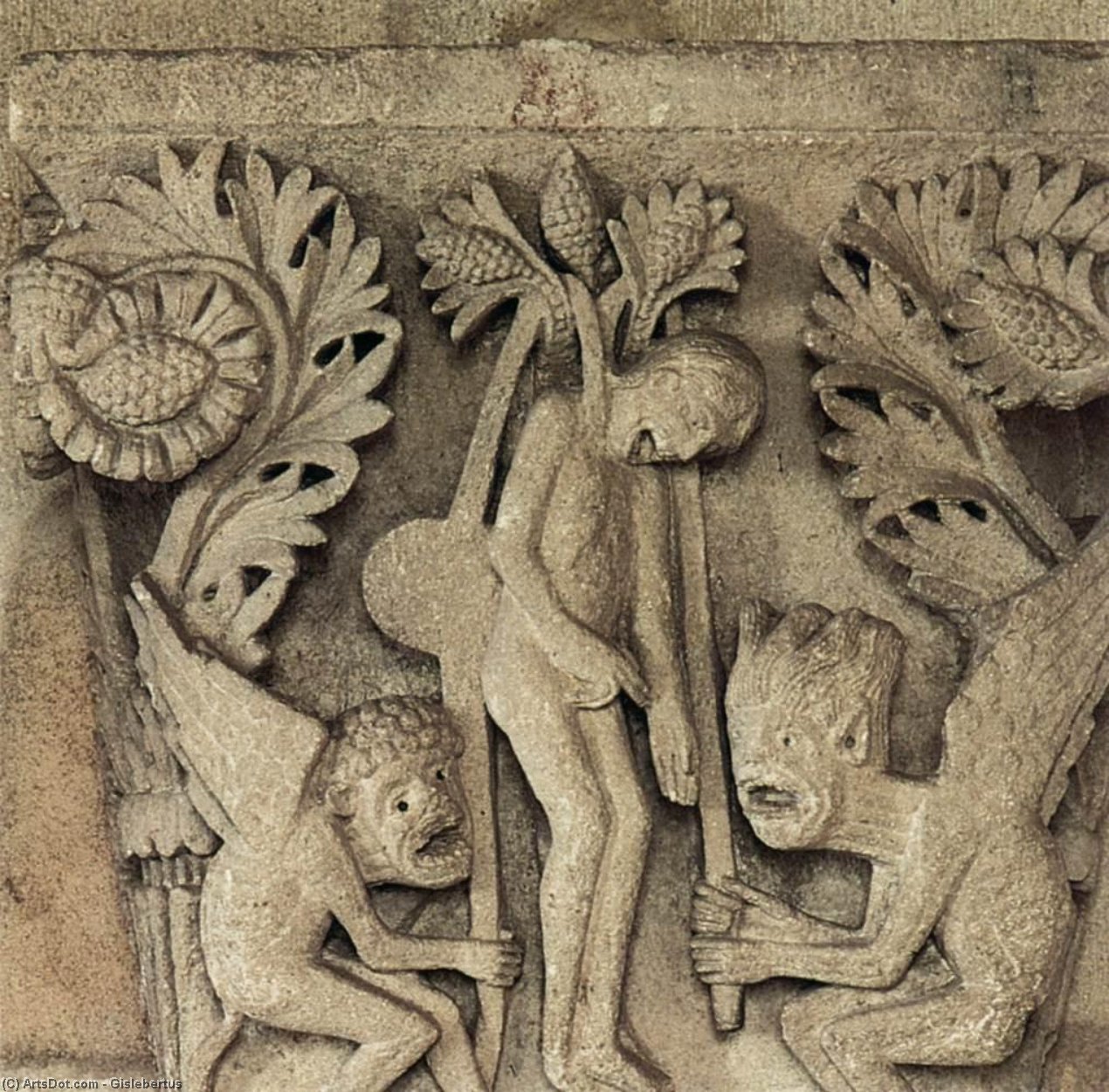
The true genius of Gislebertus lies in his ability to translate complex theological concepts into visceral, physical forms. His work at Autun is characterized by a dramatic use of line and shadow that breathes life into the cold stone. In masterpieces such as the Suicide of Judas, created around 1120-30, he captures the raw horror and despair associated with treason. Through the depiction of hanging figures and menacing demonic entities, Gisleberus showcases an exceptional skill in capturing human psychological torment, a hallmark of the Romanesque style that pushes the boundaries of medieval expression.

Beyond the scenes of tragedy, his work also celebrates the spiritual journey of the faithful. In his Pilgrims relief, one can observe a powerful depiction of devotion, where strong lines and dramatic shadows emphasize the physical and spiritual weight of the pilgrimage. This ability to oscillate between the terrifying aspects of divine judgment and the quiet strength of religious perseverance makes his oeuvre uniquely captivating. His sculptures do not merely decorate a building; they act as a window into the medieval soul, inviting the viewer to contemplate the eternal struggle between good and evil.

Legacy and Historical Significance

The artistic development of Gislebertus represents a crucial bridge in the evolution of European art. While his roots are firmly planted in the Romanesque tradition of Cluny, his expressive power and narrative complexity hint at the burgeoning naturalism that would later define Gothic art. His work on the Dream of the Magi further demonstrates this sophisticated approach to storytelling, blending historical reverence with a sense of wonder.

The enduring significance of Gislebertus can be summarized through several key contributions:

  • Narrative Innovation: He transformed architectural elements like tympanums into complex, readable storybooks for the illiterate masses.
  • Emotional Depth: He moved beyond static iconography to introduce psychological depth and human emotion into stone sculpture.
  • Cluniac Influence: He carried the high intellectual and spiritual standards of Cluny Abbey into the public sphere of cathedral architecture.
  • Architectural Integration: His ability to harmonize intricate sculptural detail with the massive, heavy forms of Romanesque architecture remains a pinnacle of medieval craftsmanship.

Today, the works of Gislebertus remain some of the most studied and revered examples of 12th-century art. He remains a master whose hands, though long since returned to dust, continue to speak through the enduring stone of Autun, reminding us of a time when art was the ultimate vessel for the divine.

جميع أعمال 11 لـ Gislebertus →