بورتريه لـ Thérèse Lessore

أشهر 50 لوحات لـ Thérèse Lessore، كل واحدة منها فريدة من نوعها

تحديث أكتوبر 2026 · مُرتبة حسب مؤشر شعبيتنا (عمليات البحث، والزيارات، والطلبات لكل عمل فني) · 50 أعمال لـ Thérèse Lessore في كتالوجنا

باختصار

تُعد Saturday Evening (1920) اللوحة الأكثر جذباً للأنظار للفنان Thérèse Lessore. بعد ذلك، تتجه العين إلى Circus at Bath و Walcot Street from Hedgemead, Bath (1942). من بين 50 من أعمال Thérèse Lessore في كتالوجنا، تُعد هذه 50 الأعمال هي الأكثر شهرة، حيث تُعرض كل واحدة منها كعمل أصلي فريد مع سنة إنتاجها، والمتحف الذي تضمّه، والسبب وراء خلودها.

1884 – 1945, Southwick أكبر مجموعة أعمال: Victoria Art Gallery

أفضل 10 لوحات لـ Thérèse Lessore، بعيون المعرض

1
Saturday Evening (1920) للفنان Thérèse Lessore

Saturday Evening

1920 · Oil

The air inside the cafe feels heavy with the stillness of a weekend winding down. A man and a woman sit closely together at a wooden table, yet a palpable sense of introspection separates them. The woman turns her gaze toward the window, her eyes tracing the fading light or perhaps the movement of the street outside, while the man remains anchored to the moment, his eyes fixed upon her.…

لوحات Thérèse Lessore الشهيرة، من رقم 11 إلى 50

11The Day's Work, Hop Picking للفنان Thérèse LessoreThe Day's Work, Hop Picking 12Place d'Aix, Marseille (1922) للفنان Thérèse LessorePlace d'Aix, Marseille1922 13Brighton Fishermen (1926) للفنان Thérèse LessoreBrighton Fishermen1926 14Kensington Gardens (1923) للفنان Thérèse LessoreKensington Gardens1923 15Victoria Park – 'Let's Go Home Sis ' (1929) للفنان Thérèse LessoreVictoria Park – 'Let's Go Home Sis '1929 16Swallow's Circus, Royal Agricultural Hall (1930) للفنان Thérèse LessoreSwallow's Circus, Royal Agricultural Hall1930 17The Rifle Range (1930) للفنان Thérèse LessoreThe Rifle Range1930 18Swallow's Liberty Horses (1930) للفنان Thérèse LessoreSwallow's Liberty Horses1930 19Thé dansant (1932) للفنان Thérèse LessoreThé dansant1932 20My Little Piccaninny (1936) للفنان Thérèse LessoreMy Little Piccaninny1936 21Hop Gardens, Kent (1935) للفنان Thérèse LessoreHop Gardens, Kent1935 · Touchstones Rochdale 22Hop Pickers (1938) للفنان Thérèse LessoreHop Pickers1938 · Usher Gallery 23View in Bath, towards Beechen Cliff (1940) للفنان Thérèse LessoreView in Bath, towards Beechen Cliff1940 · المعرض الوطني الكندي 24Mr Fossett Circus at Bath (1940) للفنان Thérèse LessoreMr Fossett Circus at Bath1940 25The Reflective Horse (1940) للفنان Thérèse LessoreThe Reflective Horse1940 · Victoria Art Gallery 26The Pump Room, Bath (1940) للفنان Thérèse LessoreThe Pump Room, Bath1940 27Bath (1943) للفنان Thérèse LessoreBath1943 · Walker Art Gallery 28Pulteney Bridge over the Avon at Bath (1942) للفنان Thérèse LessorePulteney Bridge over the Avon at Bath1942 · Bristol Museum - Art Gallery 29Swainswick Valley, Bath (1943) للفنان Thérèse LessoreSwainswick Valley, Bath1943 30Music Hall Audience (1945) للفنان Thérèse LessoreMusic Hall Audience1945 31'The Taming of the Shrew' (1945) للفنان Thérèse Lessore'The Taming of the Shrew'1945 32Scenes from 'The Duchess of Malfi', Performed at the Haymarket Theatre (1945) للفنان Thérèse LessoreScenes from 'The Duchess of Malfi', Performed at the Haymarket Theatre1945 33Corridor of Flowers (Bath Flower Market) (1945) للفنان Thérèse LessoreCorridor of Flowers (Bath Flower Market)1945 · The Mercer Art Gallery 34The Garden Window للفنان Thérèse LessoreThe Garden Window 35Circus at Bath, Mr Barratt and Patch للفنان Thérèse LessoreCircus at Bath, Mr Barratt and Patch 36Pas de deux للفنان Thérèse LessorePas de deuxFerens Art Gallery 37The New Cap للفنان Thérèse LessoreThe New Cap 38Adelaide Yelving in the Circus Ring للفنان Thérèse LessoreAdelaide Yelving in the Circus RingLeeds Art Gallery 39'Miss Lulu' and 'Mr Harry', Circus Scene للفنان Thérèse Lessore'Miss Lulu' and 'Mr Harry', Circus Scene 40Fair, Lower Common Bath للفنان Thérèse LessoreFair, Lower Common Bath 41The Islington Twins للفنان Thérèse LessoreThe Islington Twins 42Kensington Gardens للفنان Thérèse LessoreKensington Gardens 43The Crescent, Bath للفنان Thérèse LessoreThe Crescent, BathThe Hepworth Wakefield 44Euston Theatre of Varieties للفنان Thérèse LessoreEuston Theatre of Varieties 45The Daredevils للفنان Thérèse LessoreThe Daredevils 46Greta للفنان Thérèse LessoreGretaمتحف سالفورد - معرض الفنون 47The Serpentine in Spring, Hyde Park, London للفنان Thérèse LessoreThe Serpentine in Spring, Hyde Park, LondonMuseum of Gloucester 48Flute and Harp للفنان Thérèse LessoreFlute and Harp 49Hop Pickers للفنان Thérèse LessoreHop PickersThe Stanley - Audrey Burton Gallery 50Walcot Church, Bath (1942) للفنان Thérèse LessoreWalcot Church, Bath1942 · Victoria Art Gallery

المتاحف التي تحتفظ بالأعمال الأصلية لـ Thérèse Lessore

المتاحف الـ 8 التي تضم أكبر عدد من اللوحات الموجودة في هذه الصفحة.

المتحف المدينة أعمال Thérèse Lessore لوحات من هذه القائمة
Victoria Art Gallery, BathVictoria Art Gallery Bath 3 Walcot Street from Hedgemead, Bath, The Reflective Horse, Walcot Church, Bath
New Walk Museum - Art Gallery, LeicesterNew Walk Museum - Art Gallery Leicester 1 Circus at Bath
Art Gallery of New South Wales, سيدنيArt Gallery of New South Wales سيدني 1 Kensington Gardens
Touchstones Rochdale, روشديلTouchstones Rochdale روشديل 1 Hop Gardens, Kent
Usher Gallery, LincolnUsher Gallery Lincoln 1 Hop Pickers
المعرض الوطني الكندي, أوتاواالمعرض الوطني الكندي أوتاوا 1 View in Bath, towards Beechen Cliff
Walker Art Gallery, ليفربولWalker Art Gallery ليفربول 1 Bath
Bristol Museum - Art Gallery, بريستولBristol Museum - Art Gallery بريستول 1 Pulteney Bridge over the Avon at Bath

Thérèse Lessore عبر العقود: لوحة أصلية فريدة لكل عقد

الأعمال حسب العقد

اختر عقداً لتشاهد العمل الأصلي الذي يجسده.

لوحات Thérèse Lessore: أسئلة حول المعرض

ما هو العمل الأكثر شهرة لـ Thérèse Lessore؟اكتشف الإجابة

Saturday Evening (1920). يليه Circus at Bath و Walcot Street from Hedgemead, Bath (1942).

في أي عمر أبدع Thérèse Lessore عمل Saturday Evening؟اكتشف الإجابة

عمر 36 عاماً: يعود تاريخ Saturday Evening إلى 1920، وقد وُلد Thérèse Lessore في 1884.

ما هي أشهر عشر لوحات للفنان Thérèse Lessore؟اكتشف الإجابة

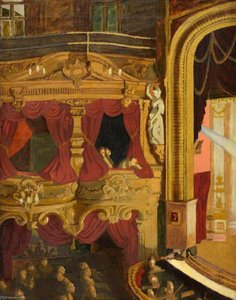
Saturday Evening, Circus at Bath, Walcot Street from Hedgemead, Bath, Kensington Gardens, The Days Work - Hop Picking, Islington Circus, Islington Circus, Work, Work, Work, Pulteney Bridge, Bath و The Friends of Muskie the Lion. يوضح التصنيف أعلاه سنة كل لوحة والمتحف التابعة له.

كم عدد الأعمال المعروفة لـ Thérèse Lessore؟اكتشف الإجابة

يضم كتالوجنا 50 من أعمال Thérèse Lessore، التي يعود تاريخها من 1920 إلى 1945.

أين يمكن مشاهدة الأعمال الأصلية الأكثر شهرة لـ Thérèse Lessore؟اكتشف الإجابة

توجد غالبيتها في Victoria Art Gallery (Bath), New Walk Museum - Art Gallery (Leicester) و Art Gallery of New South Wales (سيدني). يدرج جدول المتاحف أعلاه جميعها.

في أي فترة زمنية أبدع Thérèse Lessore أشهر لوحاته؟اكتشف الإجابة

في 1940s: تم إنجاز 13 من أصل 50 من الأعمال في هذه الصفحة خلال تلك الفترة، من بينها Walcot Street from Hedgemead, Bath.

ما هي أقدم لوحة فنية للفنان Thérèse Lessore، وما هي أحدثها؟اكتشف الإجابة

في هذه الصفحة، أقدم الأعمال يعود إلى Saturday Evening (1920) وأحدثها يعود إلى Music Hall Audience (1945).

ما هي الأعمال الأصلية لـ Thérèse Lessore التي يمكنني رؤيتها في Victoria Art Gallery؟اكتشف الإجابة

Walcot Street from Hedgemead, Bath, The Reflective Horse و Walcot Church, Bath: يضم Victoria Art Gallery, Bath 3 من الأعمال المعروضة في هذه الصفحة.

Thérèse Lessore: صورة شخصية للفنان

Thérèse Lessore: A Quiet Observer of Bloomsbury Beauty

Thérèse Lessore (1884 – 1945) was a British artist whose distinctive watercolor paintings and collaborative designs for Wedgwood pottery cemented her place as a significant figure in the artistic landscape of the early twentieth century. Born in Southwick, West Sussex, she inherited an artistic lineage stretching back to Jules Frédéric Lessore, her father—a French painter who had established himself in England—and his wife Ada Louise Cooper. Her family’s connections to Wedgwood and its celebrated designers further shaped her creative vision, fostering a fascination with decorative arts alongside her passion for capturing the subtleties of human experience.

Her formative years were marked by exposure to artistic excellence; she attended the Slade School of Fine Art from 1904 to 1909, where she honed her skills and earned the prestigious Melville Nettleship Prize for figure composition. This accolade was a testament to her burgeoning talent and dedication to mastering traditional techniques, acknowledging her ability to convey emotion and narrative through meticulous observation and skillful brushwork—qualities that would characterize her entire artistic career.

A Convergence of Modernist Influences

Lessore's involvement with the Camden Town Group, spearheaded by Walter Sickert, proved pivotal in shaping her aesthetic sensibilities. As the third wife of Sickert, she moved within a circle of profound creative energy. Collaborating closely with fellow artists like Vanessa Bell and Duncan Grant—members of the influential Bloomsberry Group—she embraced a looser style informed by Impressionistic principles. This association instilled in her an appreciation for understated beauty and a commitment to portraying subjects with sensitivity and nuance, prioritizing atmospheric light and color palettes that mirrored the group's exploration of psychological depth.

Her artistic development was not limited to the canvas alone. Her work for Wedgwood pottery showcased a unique ability to translate fine art sensibilities into functional, decorative objects. This multidisciplinary approach allowed her to bridge the gap between high art and the domestic sphere, much like the Bloomsbury artists who sought to integrate aesthetic beauty into everyday life.

Mastery of Light and Landscape

The breadth of Lessore’s output spanned oil, watercolor, and ceramics, each medium revealing a different facet of her artistry. Her watercolor landscapes are particularly noted for their serenity and atmospheric precision. In works such as “Greta” (1942), which depicts Bath’s Pulteney Bridge, she demonstrates a mastery of capturing the quiet, evocative moments of the English landscape. Her ability to render light through transparent layers of color allowed her to evoke a sense of nostalgia and peace.

Beyond landscapes, her subject matter often touched upon the rhythmic pulse of urban and social life. Critics of her time noted her "serene" portrayal of diverse subjects, including:

  • Children playing in London parks, captured with a gentle, observational intimacy.
  • Figures at the circus or theatre, where she utilized her skill in figure composition to convey movement and drama.
  • Rural scenes, such as Sussex fishermen, which grounded her work in the natural textures of the British coast.

Legacy and Historical Significance

As a founder member of the London Group in 1913, Lessore stood at the forefront of a movement that sought to combine the experimental spirit of the Vorticists with the more established traditions of the Camden Town Group. Her first solo exhibition at the Eldar Gallery in 1918 was met with significant acclaim; even Walter Sickert contributed a preface to her catalogue, praising her "sense of design, her spare style, and her technical skill."

Thérèse Lessore remains a vital figure for understanding the interconnectedness of British modernism. Her life and work represent a beautiful synthesis of tradition and experimentation, where the precision of the Slade training met the fluid, emotive possibilities of the Bloomsbury aesthetic. Through her watercolors and her contributions to the decorative arts, she left behind a legacy of quiet, enduring beauty that continues to resonate with those who seek the soul within the landscape.