بورتريه لـ Suze Robertson

أشهر 47 لوحات لـ Suze Robertson، مختارات من المعرض

تحديث نوفمبر 2026 · مُرتبة حسب مؤشر شعبيتنا (عمليات البحث، والزيارات، والطلبات لكل عمل فني) · 48 أعمال لـ Suze Robertson في كتالوجنا

باختصار

من بين جميع الأعمال الأصلية التي تركها Suze Robertson، تُعد Portrait of a young girl ('Greta') (1922) هي الأشهر، وهي ضمن مجموعة متحف بويجمانس فان بيونينغن في روتردام. تأتي بعدهما مباشرة كل من Self-portrait of Suze Robertson (1855-1922) (1890) و Portrait of a young woman (1898). يضم كتالوجنا 48 من أعمال Suze Robertson؛ حيث احتفظ المعرض بـ 47 من أكثر الأعمال التي يعجب بها العالم، مع عرض كل منها مع تاريخها ومتحفها وقصتها.

1855 – 1922, The Hague أكبر مجموعة أعمال: Groninger Museum

أفضل 10 لوحات لـ Suze Robertson: مختارات المعرض

1
Portrait of a young girl ('Greta') (1922) للفنان Suze Robertson

Portrait of a young girl ('Greta')

1922 · Oil On Panel · متحف بويجمانس فان بيونينغن, روتردام

The gaze of a young girl meets the viewer in Portrait of a young girl ('Greta'), a work painted by Suze Robertson in 1922. This portrait captures a young woman whose presence fills the space with a quiet, heavy intensity. She does not merely sit for a likeness; she exists in a moment of profound internal movement. Her expression remains enigmatic, a puzzle of shifting emotions that refuses to be…

3
Portrait of a young woman (1898) للفنان Suze Robertson

Portrait of a young woman

1898 · Oil On Panel · Rijksmuseum, أمستردام

This work is the Portrait of a young woman by Suze Robertson. Created about 1898, the painting offers an intimate view of the subject, presented as a bust with the head turned toward the right. It is a quiet, focused study that captures a sense of stillness in the sitter's posture.

4
Old mother (1896) للفنان Suze Robertson

Old mother

1896 · Oil · Groninger Museum, خرونينجن

A somber, atmospheric oil painting captures an elderly woman in a dimly lit interior. Seated in profile, she turns slightly toward the viewer while her gaze remains cast downward. The composition centers on her quietude, utilizing a palette of deep browns, blacks, ochre, and muted umbers to establish a sense of melancholy. Light enters from an unseen source, perhaps a window, illuminating the texture of her headscarf and the folds…

5
The Wood Breaker (1900) للفنان Suze Robertson

The Wood Breaker

1900 · Oil On Canvas

A solitary figure leans into the heavy labor of the wood breaker. The body is a study in tension, bent against the resistance of the timber. Dark, earthy tones of deep brown and black swallow the shadows, leaving only a sharp, bright patch of white fabric on the shoulder to catch the light. This light falls upon a textured wall, creating a shallow space where the air feels thick with…

6
Lena (1923) للفنان Suze Robertson

Lena

1923 · Oil On Canvas · Dordrechts Museum, دوردرخت

In this 1923 oil painting, we find ourselves in a quiet, heavy moment of introspection. A nude female figure sits upon a rugged, rocky ledge, her body turned away from us in a profile that suggests a deep, internal retreat. She gazes downward toward a dark, still body of water, her posture conveying a sense of vulnerability and quietude. The composition is vertical, drawing the eye from the pale, fleshy…

تستمر مجموعة Suze Robertson، من 11 إلى 47

المواضيع التي استأثرت باهتمام Suze Robertson

المواضيع الأربعة التي تتكرر باستمرار في هذه الأعمال الأصلية، مع تقديم أروع مثال لكل منها.

المتاحف التي تحتفظ بالأعمال الأصلية لـ Suze Robertson

المتاحف الـ 8 التي تضم أكبر عدد من اللوحات الموجودة في هذه الصفحة.

المتحف المدينة أعمال Suze Robertson لوحات من هذه القائمة
Groninger Museum, خرونينجنGroninger Museum خرونينجن 6 Old mother, The artist's studio with mantelpiece, Corner of the artist's studio
متحف بويجمانس فان بيونينغن, روترداممتحف بويجمانس فان بيونينغن روتردام 3 Portrait of a young girl ('Greta'), Still Life (Plate with Lemons), Still Life with Apples
Kunstmuseum Den Haag, لاهايKunstmuseum Den Haag لاهاي 2 Self-portrait of Suze Robertson (1855-1922), Girl asleep
Rijksmuseum, أمستردامRijksmuseum أمستردام 2 Portrait of a young woman, Boerenvrouw Aardappels Schillend
Dordrechts Museum, دوردرختDordrechts Museum دوردرخت 2 Lena, Portrait of a Peasant Woman
Centraal Museum, أوتريختCentraal Museum أوتريخت 2 Plate with Apples and a Bottle, Church in Katwijk
The Mesdag Collection, لاهايThe Mesdag Collection لاهاي 1 The cart
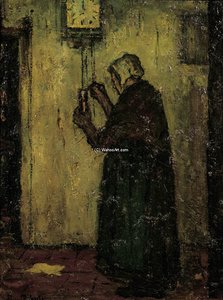
Rijksmuseum Twenthe, إنشيدRijksmuseum Twenthe إنشيد 1 Old woman at a clock

Suze Robertson عقداً بعد عقد: الأعمال الأصلية التي ميزت كل حقبة

الأعمال حسب العقد

اختر عقداً لتشاهد العمل الأصلي الذي يجسده.

أسئلة المقتنين حول لوحات Suze Robertson

ما هو العمل الأكثر شهرة لـ Suze Robertson؟اكتشف الإجابة

Portrait of a young girl ('Greta') (1922)، متحف بويجمانس فان بيونينغن, روتردام. ويليها Self-portrait of Suze Robertson (1855-1922) (1890) وPortrait of a young woman (1898).

كم كان عمر Suze Robertson عندما تم إنجاز Portrait of a young girl ('Greta')؟اكتشف الإجابة

عمر 67 عاماً: يعود تاريخ Portrait of a young girl ('Greta') إلى 1922، وقد وُلد Suze Robertson في 1855.

ما هي أشهر عشر لوحات لـ Suze Robertson؟اكتشف الإجابة

Portrait of a young girl ('Greta'), Self-portrait of Suze Robertson (1855-1922), Portrait of a young woman, Old mother, The Wood Breaker, Lena, Girl asleep, The cart, Plate with Apples and a Bottle و Still Life (Plate with Lemons). يوضح التصنيف أعلاه سنة كل لوحة والمتحف التابعة له.

كم عدد اللوحات التي تركها Suze Robertson؟اكتشف الإجابة

يضم كتالوجنا 48 من أعمال Suze Robertson، التي يعود تاريخها من 1870 إلى 1922.

في أي متاحف تُعرض روائع Suze Robertson؟اكتشف الإجابة

توجد غالبيتها في Groninger Museum (خرونينجن), متحف بويجمانس فان بيونينغن (روتردام) و Kunstmuseum Den Haag (لاهاي). يدرج جدول المتاحف أعلاه جميعها.

في أي سنوات رسم Suze Robertson أشهر أعماله؟اكتشف الإجابة

في 1890s: تم إنجاز 8 من أصل 47 من الأعمال في هذه الصفحة خلال تلك الفترة، من بينها Self-portrait of Suze Robertson (1855-1922).

ما هي أول وآخر الأعمال الأصلية الشهيرة لـ Suze Robertson؟اكتشف الإجابة

في هذه الصفحة، أقدم الأعمال يعود إلى Woman in a courtyard (1870) وأحدثها يعود إلى Portrait of a young girl ('Greta') (1922).

ما هي المواضيع التي اختارها Suze Robertson بشكل متكرر؟اكتشف الإجابة

Woman (4), Dark tones (4) و Face (3)، عبر 47 من الأعمال في هذه الصفحة.

ما هي التقنية التي استخدمها Suze Robertson بشكل أكبر؟اكتشف الإجابة

Oil On Canvas، لـ 4 من أصل 47 من الأعمال في هذه الصفحة.

ما هي أعمال Suze Robertson المعروضة في Groninger Museum؟اكتشف الإجابة

Old mother, The artist's studio with mantelpiece و Corner of the artist's studio: يضم Groninger Museum, خرونينجن 6 من الأعمال المعروضة في هذه الصفحة.

Suze Robertson: حياته وأعماله

A Life Woven in Light and Shadow: The World of Suze Robertson

Suze Robertson, born in the bustling port city of The Hague in 1855, emerged as a significant voice within Dutch art during a period of profound social and artistic change. Her life story is one of quiet determination, navigating societal expectations to forge a path as a professional artist at a time when such aspirations were often discouraged for women. Orphaned young, Robertson was raised by her aunt and uncle, who recognized and nurtured the innate artistic talent that blossomed within her. This early support proved crucial, providing the foundation for formal studies beginning in 1874 at the Royal Academy of Art in The Hague, where she quickly distinguished herself, earning a bronze and two silver medals – testaments to her burgeoning skill and dedication. Further honing her craft at the Polytechnical School in Delft, Robertson laid the groundwork for a career that would challenge conventions and offer poignant glimpses into the lives of ordinary people.

Echoes of Van Gogh: Artistic Development and Style

Robertson’s artistic journey wasn't without its practical considerations. Initially supporting herself by teaching drawing to young women in Rotterdam, she continued her own development under the guidance of Petrus van der Velden, refining her technique while simultaneously exploring her unique vision. Her subject matter gravitated towards scenes of everyday life, particularly those depicting the realities of rural existence – farm interiors, laborers at work, and the quiet dignity of agricultural communities. It is within these depictions that a striking resonance with the early works of Vincent van Gogh becomes apparent. Both artists shared an empathy for the working class and a desire to portray their lives with honesty and respect; comparisons to *The Potato Eaters* are frequently drawn, suggesting a mutual admiration or at least a parallel sensibility. Robertson’s style is characterized by a realism tempered by emotional depth, employing evocative brushwork and a keen eye for capturing the nuances of light and shadow. She wasn't merely documenting life; she was interpreting it through a lens of compassion and understanding.

A Progressive Spirit: Controversy, Recognition, and Artistic Circles

Robertson’s commitment to artistic integrity extended beyond her subject matter. While teaching in Rotterdam, she boldly advocated for her students to be allowed to draw from nude models – a remarkably progressive stance that challenged the prevailing norms of the time. This willingness to push boundaries defined not only her pedagogical approach but also her broader outlook on life and art. Her marriage in 1892 to fellow painter Richard Bisschop marked a turning point, opening doors to prominent artistic circles like Pulchri Studio and Arti et Amicitiae. These affiliations provided platforms for exhibition and recognition, culminating in a bronze medal at the prestigious Exposition Universelle in 1900. However, it was a landmark sale in 1907 that truly cemented her reputation: at the opening of a new branch of the Larensche Kunsthandel in Amsterdam, her works fetched an unprecedented 10,000 guilders – a testament to her growing acclaim and the increasing appreciation for her unique artistic vision.

Legacy of the Amsterdamse Joffers

Suze Robertson continued painting with unwavering dedication until her death in The Hague in 1922. Her legacy extends beyond individual canvases; she is remembered as a key member of the *Amsterdamse Joffers* – a collective of female artists who defied societal constraints and made significant contributions to Dutch art during the late 19th and early 20th centuries. These women challenged conventional norms, forging their own paths in a male-dominated world and paving the way for future generations of female artists. Robertson’s realistic depictions of rural life offer invaluable insights into the social conditions and everyday experiences of her time, capturing a fleeting moment in history with sensitivity and skill. Her work continues to resonate today, appreciated not only for its technical mastery but also for its enduring humanism – a testament to an artist who dared to see beauty and dignity in the lives of ordinary people.

Major Works

Robertson’s art remains a powerful reminder of the importance of empathy, observation, and artistic courage.