بورتريه لـ Solon Borglum

أشهر 13 لوحات لـ Solon Borglum، كل واحدة منها فريدة من نوعها

تحديث نوفمبر 2026 · مُرتبة حسب مؤشر شعبيتنا (عمليات البحث، والزيارات، والطلبات لكل عمل فني) · 13 أعمال لـ Solon Borglum في كتالوجنا

باختصار

تُعد The teacher of sciences\n\nThe teacher of sciences (1900) اللوحة الأكثر جذباً للأنظار للفنان Solon Borglum؛ والنسخة الأصلية محفوظة في Museum of the Man of the Northeast، Recife. بعد ذلك، تتجه العين إلى Lassoing Wild Horses (1902) و Saint John the Baptist baptizing on the banks of the river\n\nSaint John the Baptist baptizing on the banks of the river (1900). من بين 13 من أعمال Solon Borglum في كتالوجنا، تُعد هذه 13 الأعمال هي الأكثر شهرة، حيث تُعرض كل واحدة منها كعمل أصلي فريد مع سنة إنتاجها، والمتحف الذي تضمّه، والسبب وراء خلودها.

1868 – 1922, Ogden American realism أكبر مجموعة أعمال: Museum of the Man of the Northeast

أفضل 10 لوحات لـ Solon Borglum، بعيون المعرض

4
Lassoing Wild Horses للفنان Solon Borglum

Lassoing Wild Horses

Bronze · National Cowboy - Western Heritage Museum, أوكلاهوما سيتي

Solon Hannibal de la Mothe Borglum's "Lassoing Wild Horses," crafted around 1898 and cast shortly after, stands as a powerful testament to the American West—a landscape both ruggedly beautiful and fiercely independent. This bronze sculpture, currently residing within the collections of institutions like the Denver Art Museum and the Smithsonian Institution, isn’t merely a depiction of cowboys and horses; it's an embodiment of the spirit of exploration, control, and the…

لوحات Solon Borglum الشهيرة، من رقم 11 إلى 13

المواضيع التي استأثرت باهتمام Solon Borglum

المواضيع الأربعة التي تتكرر باستمرار في هذه الأعمال الأصلية، مع تقديم أروع مثال لكل منها.

المتاحف التي تحتفظ بالأعمال الأصلية لـ Solon Borglum

المتاحف الـ 6 التي تضم أكبر عدد من اللوحات الموجودة في هذه الصفحة.

المتحف المدينة أعمال Solon Borglum لوحات من هذه القائمة
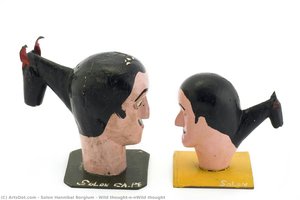
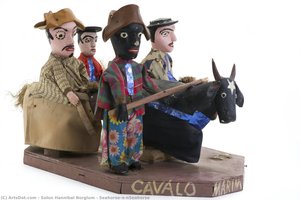
Museum of the Man of the Northeast, RecifeMuseum of the Man of the Northeast Recife 4 The teacher of sciences\n\nThe teacher of sciences, Saint John the Baptist baptizing on the banks of the river\n\nSaint John the Baptist baptizing on the banks of the river, Wild thought\n\nWild thought
New Britain Museum of American Art, نيو بريتنNew Britain Museum of American Art نيو بريتن 3 Distant Hills (Clouds over Black Mountain), Sheep Near Madam Modjeska's Forest of Arden, The Horse's Head
National Cowboy - Western Heritage Museum, أوكلاهوما سيتيNational Cowboy - Western Heritage Museum أوكلاهوما سيتي 2 Lassoing Wild Horses, One in a Thousand
متحف سميثسونيان للفن الأمريكي, واشنطن العاصمةمتحف سميثسونيان للفن الأمريكي واشنطن العاصمة 2 Plant Study, Cow
Amon Carter Museum of American Art, فورت وورثAmon Carter Museum of American Art فورت وورث 1 Lassoing Wild Horses
متحف دنفر للفنون, دنفرمتحف دنفر للفنون دنفر 1 Lassoing Wild Horses

Solon Borglum عبر السنين: الأعمال الأصلية الفريدة لكل منها

تفصل 13 سنوات بين أول وآخر لوحات أصلية مؤرخة لـ Solon Borglum معروضة هنا، 1890 و1902: لكل عام مكانته أدناه.

الأعمال حسب السنة

اختر سنة لعرض أعمالها الأصلية.

لوحات Solon Borglum: أسئلة حول المعرض

ما هو العمل الأكثر شهرة لـ Solon Borglum؟اكتشف الإجابة

The teacher of sciences\n\nThe teacher of sciences (1900)، Museum of the Man of the Northeast, Recife. ويليها Lassoing Wild Horses (1902) وSaint John the Baptist baptizing on the banks of the river\n\nSaint John the Baptist baptizing on the banks of the river (1900).

في أي عمر أبدع Solon Borglum عمل The teacher of sciences\n\nThe teacher of sciences؟اكتشف الإجابة

عمر 32 عاماً: يعود تاريخ The teacher of sciences\n\nThe teacher of sciences إلى 1900، وقد وُلد Solon Borglum في 1868.

ما هي أشهر عشر لوحات للفنان Solon Borglum؟اكتشف الإجابة

The teacher of sciences\n\nThe teacher of sciences, Lassoing Wild Horses, Saint John the Baptist baptizing on the banks of the river\n\nSaint John the Baptist baptizing on the banks of the river, Lassoing Wild Horses, Distant Hills (Clouds over Black Mountain), Plant Study, Sheep Near Madam Modjeska's Forest of Arden, The Horse's Head, Wild thought\n\nWild thought و Lassoing Wild Horses. يوضح التصنيف أعلاه سنة كل لوحة والمتحف التابعة له.

كم عدد الأعمال المعروفة لـ Solon Borglum؟اكتشف الإجابة

يضم كتالوجنا 13 من أعمال Solon Borglum، التي يعود تاريخها من 1890 إلى 1902.

أين يمكن مشاهدة الأعمال الأصلية الأكثر شهرة لـ Solon Borglum؟اكتشف الإجابة

توجد غالبيتها في Museum of the Man of the Northeast (Recife), New Britain Museum of American Art (نيو بريتن) و National Cowboy - Western Heritage Museum (أوكلاهوما سيتي). يدرج جدول المتاحف أعلاه جميعها.

في أي فترة زمنية أبدع Solon Borglum أشهر لوحاته؟اكتشف الإجابة

في 1900: تم إنجاز 4 من أصل 13 من الأعمال في هذه الصفحة خلال تلك الفترة، من بينها The teacher of sciences\n\nThe teacher of sciences.

ما هي أقدم لوحة فنية للفنان Solon Borglum، وما هي أحدثها؟اكتشف الإجابة

في هذه الصفحة، أقدم الأعمال يعود إلى Distant Hills (Clouds over Black Mountain) (1890) وأحدثها يعود إلى Lassoing Wild Horses (1902).

ما هي الموضوعات التي كان Solon Borglum يفضلها؟اكتشف الإجابة

Sculpture (3), Cowboy (3) و Man (2)، عبر 13 من الأعمال في هذه الصفحة.

ما هي المواد التي استخدمها Solon Borglum في الرسم أكثر من غيرها؟اكتشف الإجابة

Bronze، لـ 3 من أصل 13 من الأعمال في هذه الصفحة.

إلى أي مدرسة فنية ينتمي عمل Solon Borglum؟اكتشف الإجابة

American realism، بناءً على الأعمال الأصلية في هذه الصفحة.

ما هي الأعمال الأصلية لـ Solon Borglum التي يمكنني رؤيتها في Museum of the Man of the Northeast؟اكتشف الإجابة

The teacher of sciences\n\nThe teacher of sciences, Saint John the Baptist baptizing on the banks of the river\n\nSaint John the Baptist baptizing on the banks of the river و Wild thought\n\nWild thought: يضم Museum of the Man of the Northeast, Recife 4 من الأعمال المعروضة في هذه الصفحة.
Solon Borglum: صورة شخصية للفنان

A Sculptor of the American West: The Life and Art of Solon Hannibal Borglum

Solon Hannibal de la Mothe Borglum, born December 22, 1868, in Ogden, Utah, was a sculptor whose work became inextricably linked with the spirit and landscape of the American West. Though often overshadowed by his more famous brother, Gutzon Borglum – creator of Mount Rushmore – Solon carved out a distinct artistic identity, one deeply rooted in realism and imbued with a sensitive portrayal of frontier life. His story is one of familial complexity, artistic dedication, and a profound connection to the evolving narrative of a nation forging its identity. The early years of his life were marked by an unconventional family dynamic; his father, James Borglum, a Danish immigrant and Mormon polygamist, was married to two sisters, Ida and Christina Mikkelsen. This arrangement led to a fractured childhood for Solon, particularly after his mother, Christina, left the family when he was young – a subject discouraged from discussion within the household. He spent formative years on the Nebraska prairie where his father practiced medicine, developing an intimate understanding of the land and its inhabitants. Initially drawn to the life of a cowboy-rancher, it was his brother Gutzon who recognized and nurtured Solon’s artistic inclinations, encouraging him to pursue formal training.

From Paris to the Prairie: Artistic Development and Style

Solon's artistic journey led him first to the Cincinnati Art Academy from 1895 to 1897, where he began to hone his skills. However, it was his subsequent studies in Paris at the Académie Julian under Emmanuel Fremiet that truly shaped his aesthetic vision. There, he gained recognition as “le sculpteur de la prairie” – the sculptor of the prairie – a testament to the unique perspective he brought to European artistic circles. His time in Paris exposed him to classical traditions and refined sculpting techniques, yet he remained steadfastly committed to depicting the scenes and subjects that resonated with his American experience. Borglum’s style is characterized by meticulous realism, an acute understanding of anatomy and movement, and a narrative depth that breathes life into his creations. He didn't merely represent figures; he captured moments, emotions, and the essence of a disappearing way of life. His work focused primarily on depicting life in the American West, particularly scenes involving cowboys, Native Americans, and the vast, untamed landscapes that defined the era. Notable sculptures include “Saint John the Baptist baptizing on the banks of the river” (1900), now housed in Recife, Brazil, a piece demonstrating his mastery of Baroque realism and dramatic composition, and drawings like "Cow" at the Smithsonian American Art Museum, showcasing his ability to capture the raw power and beauty of animal life.

War, Teaching, and a Lasting Legacy

The outbreak of World War I saw Solon shift his focus from artistic creation to service. He worked with the YMCA, contributing to Les Foyers du Soldat service clubs in France, providing respite and support for soldiers on the front lines. His dedication was recognized with the Croix de Guerre, a testament to his selfless contributions during wartime. Following the war, Borglum returned to the United States and founded the School of American Sculpture in New York City. Driven by a desire to pass on his knowledge and expertise, he mentored aspiring artists, developing a textbook titled *Sound Construction* as a guide for his students. This pedagogical endeavor reflects his commitment to fostering a new generation of sculptors grounded in both technical skill and artistic vision. Tragically, Solon Borglum’s life was cut short on January 31, 1922, following an appendectomy. However, his legacy endured through the dedication of his wife, Emma Vignal, and later through his daughter Monica and her husband, who diligently preserved and exhibited his work, ensuring that his artistic contributions would not be forgotten.

A Bridge Between Eras: Historical Significance

Solon Borglum’s impact on American sculpture lies in his ability to bridge the gap between realism and iconic representations of frontier life. He didn't romanticize the West; he depicted it with honesty, sensitivity, and a deep understanding of its complexities. His sympathetic portrayal of Native Americans was particularly noteworthy, challenging prevailing stereotypes and offering a more nuanced perspective on their culture and experiences. Borglum’s teachings and artistic style influenced numerous artists, including Paul Manship, who studied under him and went on to become a prominent sculptor in his own right. Today, the New Britain Museum of American Art houses a significant collection of Borglum's sculptures and related materials, safeguarding his art for future generations. His work provides invaluable insights into the cultural landscape of the late 19th and early 20th centuries, reflecting both the romantic allure and the harsh realities of life in the American West. Through his remarkable sculptures and drawings, Solon Hannibal Borglum continues to inspire artists and art enthusiasts alike, reminding us of a pivotal era in American history and the enduring power of artistic expression. His legacy is not merely one of sculpted forms but of stories told in bronze and stone, capturing the heart and soul of a nation.