


1


تحديث نوفمبر 2026 · مُرتبة حسب مؤشر شعبيتنا (عمليات البحث، والزيارات، والطلبات لكل عمل فني) · 13 أعمال لـ Robert Strickland Thomas في كتالوجنا
باختصار
من بين جميع الأعمال الأصلية التي تركها Robert Strickland Thomas، تُعد Battle of Trafalgar, 21 October 1805 (1835) هي الأشهر، وهي ضمن مجموعة Government Art Collection في لندن. تأتي بعدهما مباشرة كل من HMS 'Britannia' Leaving a Mediterranean Harbour (1835) و The Wreck of HMS 'Hero' in the Texel, 25 December 1811 (1839). يضم كتالوجنا 13 من أعمال Robert Strickland Thomas؛ حيث احتفظ المعرض بـ 13 من أكثر الأعمال التي يعجب بها العالم، مع عرض كل منها مع تاريخها ومتحفها وقصتها.
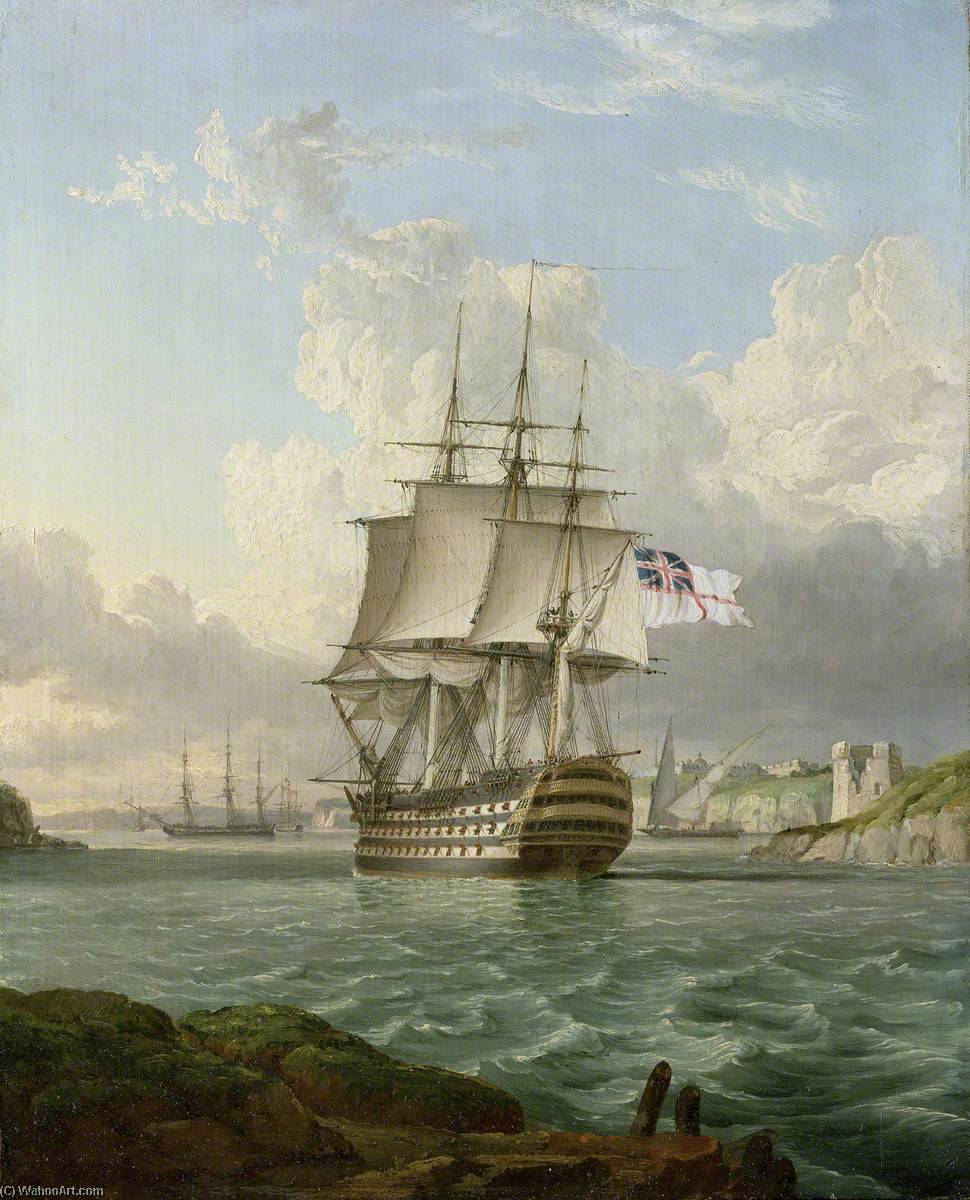


The painting HMS 'Britannia' Entering Portsmouth Harbour by Robert Strickland Thomas is a stunning representation of a bustling harbour scene in the 19th century. Created in 1836, this oil on canvas piece measures 46 x 69 cm and is currently housed at the National Maritime Museum in the United States. The Artist's Vision Robert Strickland Thomas was a skilled artist known for his maritime paintings, and this piece is no…

The painting HMS 'Raleigh' is a stunning oil on canvas work by the renowned artist Robert Strickland Thomas. Measuring 31 x 47 cm, this beautiful piece is part of the collection at the National Maritime Museum (United States). The scene captures the essence of maritime life and the beauty of sailing vessels. Artistic Details The painting depicts a large sailing ship with multiple sails in the ocean. The ship is…
المتاحف الـ 4 التي تضم أكبر عدد من اللوحات الموجودة في هذه الصفحة.
| المتحف | المدينة | أعمال Robert Strickland Thomas | لوحات من هذه القائمة |
|---|---|---|---|
 National Maritime Museum |
لندن | 6 | HMS 'Britannia' Leaving a Mediterranean Harbour, The Wreck of HMS 'Hero' in the Texel, 25 December 1811, Queen Victoria's Visit to HMS 'Queen' at Portsmouth, 1 March 1842 |
 National Trust |
دربي | 2 | HMS 'Melpomene' in Distress, 17 November 1805, The Battle of Trafalgar at the Close of Action, 21 October 1805 |
 Government Art Collection |
لندن | 1 | Battle of Trafalgar, 21 October 1805 |
 Llyfrgell Genedlaethol Cymru / The National Library of Wales |
أبيريستويث | 1 | 'Edith Eleanor' |
اختر عقداً لتشاهد العمل الأصلي الذي يجسده.
Battle of Trafalgar, 21 October 1805 (1835)، Government Art Collection, لندن. ويليها HMS 'Britannia' Leaving a Mediterranean Harbour (1835) وThe Wreck of HMS 'Hero' in the Texel, 25 December 1811 (1839).
عمر 48 عاماً: يعود تاريخ Battle of Trafalgar, 21 October 1805 إلى 1835، وقد وُلد Robert Strickland Thomas في 1787.
Battle of Trafalgar, 21 October 1805, HMS 'Britannia' Leaving a Mediterranean Harbour, The Wreck of HMS 'Hero' in the Texel, 25 December 1811, HMS 'Melpomene' in Distress, 17 November 1805, The Battle of Trafalgar at the Close of Action, 21 October 1805, 'Edith Eleanor', Queen Victoria's Visit to HMS 'Queen' at Portsmouth, 1 March 1842, HMS Raleigh, HMS 'Britannia' Entering Portsmouth Harbour و HMS 'Raleigh'. يوضح التصنيف أعلاه سنة كل لوحة والمتحف التابعة له.
يضم كتالوجنا 13 من أعمال Robert Strickland Thomas، التي يعود تاريخها من 1835 إلى 1850.
توجد غالبيتها في National Maritime Museum (لندن), National Trust (دربي) و Government Art Collection (لندن). يدرج جدول المتاحف أعلاه جميعها.
في 1830s: تم إنجاز 4 من أصل 13 من الأعمال في هذه الصفحة خلال تلك الفترة، من بينها Battle of Trafalgar, 21 October 1805.
في هذه الصفحة، أقدم الأعمال يعود إلى Battle of Trafalgar, 21 October 1805 (1835) وأحدثها يعود إلى HMS Raleigh (1850).
HMS 'Britannia' Leaving a Mediterranean Harbour, The Wreck of HMS 'Hero' in the Texel, 25 December 1811 و Queen Victoria's Visit to HMS 'Queen' at Portsmouth, 1 March 1842: يضم National Maritime Museum, لندن 6 من الأعمال المعروضة في هذه الصفحة.
Robert Strickland Thomas, a name perhaps less familiar than many of his contemporaries in 19th-century British art, nevertheless stands as a significant figure in the development of maritime illustration. Born in 1787 and tragically passing away in 1853, Thomas’s career was inextricably linked to the burgeoning world of paddle steamers and naval scenes – subjects that captured both the romance of exploration and the practical realities of commerce and warfare. His work offers a unique window into a period of rapid technological advancement and shifting social landscapes, reflecting the ambition and anxieties of an era defined by steam, empire, and industrialization.
Thomas’s early life remains somewhat shrouded in mystery, though it is known that he entered the Royal Navy at a young age. This formative experience profoundly shaped his artistic vision, instilling a deep appreciation for detail, accuracy, and the dramatic potential of nautical subjects. Unlike many artists who relied solely on idealized representations, Thomas meticulously researched his scenes, often incorporating eyewitness accounts and technical drawings to ensure their authenticity. His naval paintings are not mere romanticized depictions; they are carefully constructed narratives that convey the power, complexity, and inherent dangers of maritime life.
Thomas’s artistic journey began as a hobby, initially producing sketches and watercolors for his own enjoyment. However, his talent quickly garnered attention, leading to commissions from wealthy patrons and eventually establishing him as a respected artist within the London art world. He was particularly adept at capturing the imposing scale of paddle steamers – vessels that were rapidly transforming river travel and shaping urban landscapes. These scenes are not simply technical renderings; they are imbued with a sense of dynamism and excitement, reflecting the technological marvels of the age.
Crucially, Thomas’s career coincided with a period of intense naval activity. The Napoleonic Wars had left an indelible mark on Britain, fostering a national pride in its maritime prowess and fueling a demand for accurate depictions of naval battles and ship designs. Thomas skillfully navigated this market, producing numerous paintings commemorating significant naval engagements, most notably his powerful rendition of the Battle of Trafalgar (1835). This work, now housed at the National Maritime Museum, is considered a landmark achievement in British maritime art – a testament to Thomas’s technical skill and dramatic flair.
Thomas's artistic style can be characterized by its meticulous detail, realistic portrayal of light and shadow, and a strong sense of spatial depth. He employed the albumen print technique, which allowed for greater tonal range and sharper details than earlier methods. His compositions are often carefully balanced, with an emphasis on creating a sense of movement and drama. He was particularly skilled at rendering textures – from the weathered wood of ships to the billowing sails and the churning water – conveying a palpable sense of realism.
While influenced by artists such as William Daniell and John Brett, Thomas developed his own distinctive style, characterized by a bold use of color and a dynamic approach to composition. His paintings are not merely representations of scenes; they are imbued with a powerful emotional resonance, capturing the spirit of adventure, the challenges of seafaring, and the grandeur of the British Empire.
Beyond “Battle of Trafalgar,” Thomas produced a substantial body of work encompassing a wide range of subjects. His depictions of HMS ‘Britannia’ entering Portsmouth Harbour (1842) are particularly noteworthy for their meticulous detail and atmospheric quality. Similarly, his paintings of HMS ‘Raleigh’ (1850) showcase his ability to capture the imposing scale and technical complexity of naval vessels. These works demonstrate Thomas's versatility as an artist and his commitment to documenting the changing face of British maritime life.
Although he may not be as widely celebrated as some of his contemporaries, Robert Strickland Thomas’s contribution to British art is undeniable. His paintings offer a valuable glimpse into a pivotal period in history – a time of technological innovation, imperial expansion, and profound social change. His legacy endures through the preservation of these remarkable works, which continue to captivate viewers with their technical skill, dramatic flair, and evocative portrayal of maritime life.


