The Life and Art of Pyke Koch
Born in Beek, a small village near Nijmegen in the Netherlands, Pyke Koch was the only son of a local doctor. His early years were shaped by a love for music, playing the violin and participating in a student gypsy band called Tzigane. While he studied law at the University, he adopted the spelling of his nickname, Pyke. His journey into the visual arts began somewhat by chance in the summer of 1927; after finding brushes and paint left by his sister, he produced his first painting, Dolores Ontbijt (or Dolores' Breakfast), using a model he met in a bar.
Though he had no formal training in drawing or painting, Koch was recognized for his technical perfection from the very beginning. He studied the theories of art and the historical use of materials at the Arthistorical Institute of the University Utrecht. His work is characterized by a magic realist style, creating scenes that appear realistic yet uncanny or unlikely. His paintings are noted for their many details, which some art historians suggest may contain hidden messages and references to his personal life.
Artistic Style and Legacy
Koch's oeuvre is relatively small because he was an extreme perfectionist, often destroying works that did not satisfy him. His style was influenced by the Italian quattrocento, particularly the works of Masaccio, Andrea Mantegna, and Piero della Francesca, as well as modern painters like Magritte and Chirico. During the 1930s, his work became very popular, and his house in Utrecht served as a meeting place for many Dutch writers, painters, and designers. His workplace was notably remodeled by his friend Gerrit Rietveld.
Throughout his career, Koch was active in various forms of design, including:
- Postage stamps
- Utrecht street lights
- Graphic work
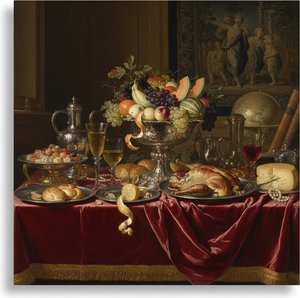
During the war, he primarily painted still lifes. Following the war, as abstract expressionism became the norm, his popularity declined, though he maintained a dedicated fan base. He was the subject of retrospective solo exhibitions at the Stedelijk Museum in Amsterdam and the Gemeentemuseum, Arnhem. He died in Wassenaar after a decline in his abilities due to Alzheimer's disease.