


1


تحديث نوفمبر 2026 · مُرتبة حسب مؤشر شعبيتنا (عمليات البحث، والزيارات، والطلبات لكل عمل فني) · 35 أعمال لـ Pieter Wouwerman في كتالوجنا
باختصار
من بين جميع الأعمال الأصلية التي تركها Pieter Wouwerman، تُعد Forest with staffage figures (1642) هي الأشهر، وهي ضمن مجموعة Villa Vauban في Luxembourg. تأتي بعدهما مباشرة كل من Dice-Playing Soldiers in Front of an Inn (1652) و Officer on Horseback (1660). يضم كتالوجنا 35 من أعمال Pieter Wouwerman؛ حيث احتفظ المعرض بـ 31 من أكثر الأعمال التي يعجب بها العالم، مع عرض كل منها مع تاريخها ومتحفها وقصتها.


 View of Paris seen from the Place Dauphine1660 · Statens Museum For Kunst
12
 Frederik Hendrik at the surrender of Maastricht, 22 August 16321650 · Rijksmuseum
13
 Hunting party on horseback with servants and dogs1661 · Staatliche Kunsthalle Karlsruhe
14
 Beach Scene with Fisher Woman1668 · Gemäldegalerie Alte Meister im Schloss Wilhelmshöhe
15
 View of Paris with the tower and porch of Nesle, in the backgroud the Pont Neuf and la Place Dauphine1664
16
 Landscape with a dapple grey horse1667 · متحف بويجمانس فان بيونينغن
17
 The storming of Coevorden, December 30, 16721672 · Rijksmuseum
18
 Horsemarket in Delft1670 · Het Prinsenhof
19
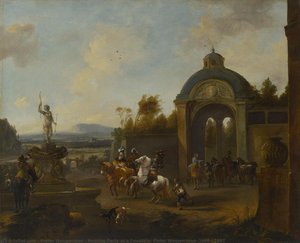 Hunting Party at a Fountain, Pieter Wouwerman, 1660 - 16821682 · Rijksmuseum
20
 Cavalry Skirmish with Foot Soldiersالمتحف الملكي للفنون الجميلة في أنتويرب
21
 Departure for huntingالمتحف الوطني في وارسو
22
 The watering place
23
 Landscape with a genre sceneالمتحف الوطني في وارسو
24
 Setting Off On A Falcon Hunt
25
 The stableFitzwilliam Museum
26
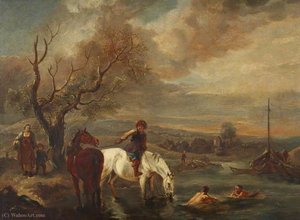 Country Scene with a Man on Horseback and Bathers
27
 Landscape with resting travellers
28
 Cavalry Men by a Suttler's Tent
29
 Dune landscape with figuresمتحف كليفلاند للفنون
30
 Encampment beside an Ale HouseFitzwilliam Museum
31
 صيد الغزلانمتحف الإرميتاج
المواضيع الأربعة التي تتكرر باستمرار في هذه الأعمال الأصلية، مع تقديم أروع مثال لكل منها.
المتاحف الـ 8 التي تضم أكبر عدد من اللوحات الموجودة في هذه الصفحة.
| المتحف | المدينة | أعمال Pieter Wouwerman | لوحات من هذه القائمة |
|---|---|---|---|
 المتحف الوطني في وارسو |
وارسو | 3 | Groom and horses, Departure for hunting, Landscape with a genre scene |
 Rijksmuseum |
أمستردام | 3 | Frederik Hendrik at the surrender of Maastricht, 22 August 1632, The storming of Coevorden, December 30, 1672, Hunting Party at a Fountain, Pieter Wouwerman, 1660 - 1682 |
 Staatliche Kunsthalle Karlsruhe |
كارلسروه | 2 | The Collision, Hunting party on horseback with servants and dogs |
 متحف الإرميتاج |
سانت بطرسبرغ | 2 | Horses in the Pasture, صيد الغزلان |
 Gemäldegalerie Alte Meister im Schloss Wilhelmshöhe |
كاسل | 2 | Landscape with horsemen at a blacksmith, Beach Scene with Fisher Woman |
 Fitzwilliam Museum |
2 | The stable, Encampment beside an Ale House | |
 Villa Vauban |
Luxembourg | 1 | Forest with staffage figures |
 مجموعات بافاريا الحكومية للرسم |
ميونخ | 1 | Dice-Playing Soldiers in Front of an Inn |
اختر عقداً لتشاهد العمل الأصلي الذي يجسده.

Forest with staffage figures (1642)، Villa Vauban, Luxembourg. ويليها Dice-Playing Soldiers in Front of an Inn (1652) وOfficer on Horseback (1660).
عمر 19 عاماً: يعود تاريخ Forest with staffage figures إلى 1642، وقد وُلد Pieter Wouwerman في 1623.
Forest with staffage figures, Dice-Playing Soldiers in Front of an Inn, Officer on Horseback, The Combat, The Collision, Groom and horses, Army Camp, Horses in the Pasture, Landscape with horsemen at a blacksmith و Sandhills with Figure. يوضح التصنيف أعلاه سنة كل لوحة والمتحف التابعة له.
يضم كتالوجنا 35 من أعمال Pieter Wouwerman، التي يعود تاريخها من 1642 إلى 1682.
توجد غالبيتها في المتحف الوطني في وارسو (وارسو), Rijksmuseum (أمستردام) و Staatliche Kunsthalle Karlsruhe (كارلسروه). يدرج جدول المتاحف أعلاه جميعها.
في 1660s: تم إنجاز 7 من أصل 31 من الأعمال في هذه الصفحة خلال تلك الفترة، من بينها Officer on Horseback.
في هذه الصفحة، أقدم الأعمال يعود إلى Forest with staffage figures (1642) وأحدثها يعود إلى Hunting Party at a Fountain, Pieter Wouwerman, 1660 - 1682 (1682).
Groom and horses, Departure for hunting و Landscape with a genre scene: يضم المتحف الوطني في وارسو, وارسو 3 من الأعمال المعروضة في هذه الصفحة.