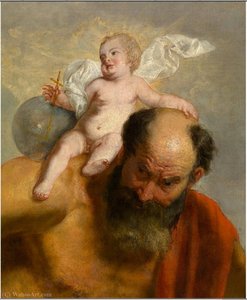
بورتريه لـ Pieter van Lint

أشهر 29 لوحات لـ Pieter van Lint، كل واحدة منها فريدة من نوعها

تحديث نوفمبر 2026 · مُرتبة حسب مؤشر شعبيتنا (عمليات البحث، والزيارات، والطلبات لكل عمل فني) · 30 أعمال لـ Pieter van Lint في كتالوجنا

باختصار

تُعد The Miracle of Saint John of Capestrano (1650) اللوحة الأكثر جذباً للأنظار للفنان Pieter van Lint؛ والنسخة الأصلية محفوظة في المتحف الملكي للفنون الجميلة في أنتويرب، أنتويرب. بعد ذلك، تتجه العين إلى Repentant Sinners in front of the Virgin and Child (1630) و The Adoration of the Magi (1630). من بين 30 من أعمال Pieter van Lint في كتالوجنا، تُعد هذه 29 الأعمال هي الأكثر شهرة، حيث تُعرض كل واحدة منها كعمل أصلي فريد مع سنة إنتاجها، والمتحف الذي تضمّه، والسبب وراء خلودها.

1609 – 1690, Antwerp Baroque أكبر مجموعة أعمال: المتحف الملكي للفنون الجميلة في أنتويرب

أفضل 10 لوحات لـ Pieter van Lint، بعيون المعرض

1
The Miracle of Saint John of Capestrano (1650) للفنان Pieter van Lint

The Miracle of Saint John of Capestrano

The Miracle of Saint John of Capestrano is an oil on canvas by the Flemish artist Pieter van Lint. Executed about 1650, the work belongs to the mid-seventeenth-century Baroque tradition. The artist's hand is identified by the inscription P.V.LINT.F. located in the lower right corner of the composition.

3
The Adoration of the Magi (1630) للفنان Pieter van Lint

The Adoration of the Magi

1630 · Oil

In this 1630 oil painting, we find ourselves drawn into a crowded, intimate scene within a rustic stable. The composition is dense, pulling the viewer toward the focal point where the Holy Family resides. On the right, the Virgin Mary, Joseph, and the infant Jesus form a quiet nucleus amidst a swirling retinue of figures. The lighting is deliberate, employing a strong chiaroscuro that pulls the infant Christ and the…

4
Portrait of an unknown man (1645) للفنان Pieter van Lint

Portrait of an unknown man

1645

A man emerges from a void of deep, impenetrable darkness, his presence felt through the sudden, sharp clarity of light hitting his features. He sits in a quiet, heavy stillness, his gaze fixed on something just beyond the viewer's shoulder. The light, streaming from the upper left, carves his face out of the gloom, casting the right side of his visage into a profound shadow. Every line etched into his…

6
Entry of Christ into Jerusalem (1649) للفنان Pieter van Lint

Entry of Christ into Jerusalem

In this work, titled Entry of Christ into Jerusalem, Pieter van Lint captures a significant moment from the biblical narrative. Painted about 1649, the scene focuses on the arrival of Christ in the city. He is positioned atop a donkey, moving through a dense and active crowd that gathers to witness the event. The atmosphere is one of intense celebration and reverence, as onlookers react to his presence with various…

7
Bacchus, Ceres, Proserpina and Pluto (1650) للفنان Pieter van Lint

Bacchus, Ceres, Proserpina and Pluto

1650 · Oil

In the lush, wooded setting of this oil painting, the deities Bacchus, Ceres, Proserpina and Pluto gather amidst a dense thicket of greenery. The scene captures a moment of divine interaction, where the figures move through a landscape of deep shadows and dappled light. Bacchus, draped in a red cloak, holds a golden chalice aloft, while Proserpina reaches toward the vessel. Nearby, Ceres reacts to the unfolding drama, her pink…

8
At the Watering Hole (1650) للفنان Pieter van Lint

At the Watering Hole

A dense cluster of figures occupies the right and center foreground of this oil painting, set against a landscape of distant, hazy mountains and a cloudy sky. The composition is heavy, with a large group of people gathered in a way that creates a sense of monumental scale. To the left, a vertical halberd cuts through the space, while the diagonal arrangement of reclining figures directs the eye across the…

9
Artemisia with the ashes of king Mausolus (1650) للفنان Pieter van Lint

Artemisia with the ashes of king Mausolus

1650 · Oil On Panel

Artemisia with the ashes of king Mausolus is an oil painting by the Flemish artist Pieter van Lint. Born in Antwerp in 1609, Van Lint established himself as a versatile practitioner of the Baroque era, working as a painter, draughtsman, and designer of tapestries. His technical training and subsequent travels allowed him to navigate various stylistic demands throughout the seventeenth century.

10
Adoration of the Shepherds (1650) للفنان Pieter van Lint

Adoration of the Shepherds

In this large-scale Baroque oil painting, Adoration of the Shepherds by Pieter van Lint presents a profound moment of quiet reverence. Created about 1650, the work captures the biblical scene of the Nativity through a crowded and dynamic composition. At the heart of the scene lies the infant Jesus in a manger, serving as the focal point for the surrounding figures. Mary and Joseph are positioned closely to the child,…

لوحات Pieter van Lint الشهيرة، من رقم 11 إلى 29

المواضيع التي استأثرت باهتمام Pieter van Lint

المواضيع الأربعة التي تتكرر باستمرار في هذه الأعمال الأصلية، مع تقديم أروع مثال لكل منها.

المتاحف التي تحتفظ بالأعمال الأصلية لـ Pieter van Lint

المتاحف الـ 8 التي تضم أكبر عدد من اللوحات الموجودة في هذه الصفحة.

المتحف المدينة أعمال Pieter van Lint لوحات من هذه القائمة
المتحف الملكي للفنون الجميلة في أنتويرب, أنتويربالمتحف الملكي للفنون الجميلة في أنتويرب أنتويرب 6 The Miracle of Saint John of Capestrano, At the Watering Hole, A Franciscan Saint
متحف الإرميتاج, سانت بطرسبرغمتحف الإرميتاج سانت بطرسبرغ 2 Repentant Sinners in front of the Virgin and Child, Jephthae's Daughter
مجموعات بافاريا الحكومية للرسم, ميونخمجموعات بافاريا الحكومية للرسم ميونخ 2 Crucifixion of Christ, Entry of Christ into Jerusalem
متحف الفنون الجميلة, بودابستمتحف الفنون الجميلة بودابست 2 Portrait of a Man, Silvio and Dorinda
متحف الفنون الجميلة في إشبيلية, إشبيليةمتحف الفنون الجميلة في إشبيلية إشبيلية 1 Adoration of the Shepherds
متحف الفنون التاريخية, فيينامتحف الفنون التاريخية فيينا 1 Christ healing the lame at the pool of Bethesda
متحف برادو, مدريدمتحف برادو مدريد 1 Triumph of Love
Statens Museum For Kunst, كوبنهاغنStatens Museum For Kunst كوبنهاغن 1 The Adoration of the Shepherds

Pieter van Lint عبر العقود: لوحة أصلية فريدة لكل عقد

الأعمال حسب العقد

اختر عقداً لتشاهد العمل الأصلي الذي يجسده.

لوحات Pieter van Lint: أسئلة حول المعرض

ما هو العمل الأكثر شهرة لـ Pieter van Lint؟اكتشف الإجابة

The Miracle of Saint John of Capestrano (1650)، المتحف الملكي للفنون الجميلة في أنتويرب, أنتويرب. ويليها Repentant Sinners in front of the Virgin and Child (1630) وThe Adoration of the Magi (1630).

في أي عمر أبدع Pieter van Lint عمل The Miracle of Saint John of Capestrano؟اكتشف الإجابة

عمر 41 عاماً: يعود تاريخ The Miracle of Saint John of Capestrano إلى 1650، وقد وُلد Pieter van Lint في 1609.

ما هي أشهر عشر لوحات للفنان Pieter van Lint؟اكتشف الإجابة

The Miracle of Saint John of Capestrano, Repentant Sinners in front of the Virgin and Child, The Adoration of the Magi, Portrait of an unknown man, Crucifixion of Christ, Entry of Christ into Jerusalem, Bacchus, Ceres, Proserpina and Pluto, At the Watering Hole, Artemisia with the ashes of king Mausolus و Adoration of the Shepherds. يوضح التصنيف أعلاه سنة كل لوحة والمتحف التابعة له.

كم عدد الأعمال المعروفة لـ Pieter van Lint؟اكتشف الإجابة

يضم كتالوجنا 30 من أعمال Pieter van Lint، التي يعود تاريخها من 1630 إلى 1670.

أين يمكن مشاهدة الأعمال الأصلية الأكثر شهرة لـ Pieter van Lint؟اكتشف الإجابة

توجد غالبيتها في المتحف الملكي للفنون الجميلة في أنتويرب (أنتويرب), متحف الإرميتاج (سانت بطرسبرغ) و مجموعات بافاريا الحكومية للرسم (ميونخ). يدرج جدول المتاحف أعلاه جميعها.

في أي فترة زمنية أبدع Pieter van Lint أشهر لوحاته؟اكتشف الإجابة

في 1640s: تم إنجاز 5 من أصل 29 من الأعمال في هذه الصفحة خلال تلك الفترة، من بينها Portrait of an unknown man.

ما هي أقدم لوحة فنية للفنان Pieter van Lint، وما هي أحدثها؟اكتشف الإجابة

في هذه الصفحة، أقدم الأعمال يعود إلى Repentant Sinners in front of the Virgin and Child (1630) وأحدثها يعود إلى The Circumcision of Christ (1670).

ما هي الموضوعات التي كان Pieter van Lint يفضلها؟اكتشف الإجابة

People (7), Woman (7) و Man (7)، عبر 29 من الأعمال في هذه الصفحة.

ما هي المواد التي استخدمها Pieter van Lint في الرسم أكثر من غيرها؟اكتشف الإجابة

Oil On Canvas، لـ 7 من أصل 29 من الأعمال في هذه الصفحة.

إلى أي مدرسة فنية ينتمي عمل Pieter van Lint؟اكتشف الإجابة

Baroque، بناءً على الأعمال الأصلية في هذه الصفحة.

ما هي الأعمال الأصلية لـ Pieter van Lint التي يمكنني رؤيتها في المتحف الملكي للفنون الجميلة في أنتويرب؟اكتشف الإجابة

The Miracle of Saint John of Capestrano, At the Watering Hole و A Franciscan Saint: يضم المتحف الملكي للفنون الجميلة في أنتويرب, أنتويرب 6 من الأعمال المعروضة في هذه الصفحة.

Pieter van Lint: صورة شخصية للفنان

Pieter van Lint: A Flemish Master Bridging Antiquity and Baroque

Pieter van Lint (1609-1690), a name perhaps less familiar than his contemporaries Rubens or Van Dyck, nevertheless stands as a significant figure in the vibrant artistic landscape of 17th-century Antwerp. Born into a family deeply rooted in the art world – his father, Hendrik Frans van Lint, was a celebrated vedute painter in Rome – Pieter inherited not only a legacy but also a profound understanding of artistic technique and a restless spirit for exploration. His career spanned decades, encompassing diverse styles and commissions, reflecting a remarkable adaptability and a constant engagement with the prevailing trends of his time.

Van Lint’s early training under Artus Wolffort in Antwerp laid the foundation for his skill in historical painting and portraiture. Crucially, however, his formative years were spent immersed in the artistic traditions of the Flemish Baroque, particularly through frequent visits to the city's churches. These pilgrimages weren’t merely acts of devotion; they served as invaluable apprenticeships, allowing him to meticulously copy the works of masters like Peter Paul Rubens, Marten de Vos, and the Francken brothers – absorbing their compositional strategies, color palettes, and masterful rendering of texture. This deliberate study of his predecessors is evident in many of his early works, which demonstrate a clear debt to Wolffort’s academic style, itself influenced by Otto van Veen's classical approach.

Roman Influences and the Pursuit of Classicism

In 1633, Van Lint achieved the coveted status of master in the Guild of Saint Luke, marking his transition into independent practice. Shortly thereafter, he embarked on a transformative journey to Rome – a period that fundamentally shaped his artistic development. Unlike many Flemish artists who simply replicated Italian styles, Van Lint embraced the Roman environment with an open mind, actively seeking out and studying the legacy of antiquity. He meticulously sketched ancient sculptures and architectural ruins, absorbing the principles of classical form and composition. This engagement with the antique is powerfully evident in his later works, particularly those produced during his time in Rome (1633-1640), where he developed a distinct style characterized by clear outlines, balanced compositions, and an interest in idealized beauty.

His work for Cardinal Domenico Ginnasi, Bishop of Ostia, exemplifies this shift. He frescoed the Cybo family chapel in the Santa Maria del Popolo with the legend of the True Cross – a monumental undertaking that showcased his burgeoning skills in large-scale painting and his growing command of classical motifs. This period also witnessed him experimenting with the *bamboccianti* genre, producing small, lively scenes depicting everyday life, reflecting a desire to capture human emotion and interaction.

A Master of Copies and Diverse Commissions

Van Lint’s career was marked by a remarkable versatility, encompassing religious paintings, historical narratives, portraits, and even tapestry designs. He skillfully navigated the demands of various patrons, from wealthy families like the Cibos to the Antwerp art trade network. A significant portion of his output consisted of meticulously executed copies of Peter Paul Rubens' oil sketches – a lucrative business that allowed him to refine his technique and gain further insight into the master’s methods. These copies, often produced on copper, were highly prized in Spain and the Spanish colonies for their durability and lustrous finish.

Beyond these commissioned works, Van Lint created numerous devotional paintings, frequently depicting scenes from the life of Mary Magdalene – a subject that resonated deeply with his artistic sensibilities. His ‘Marriage of the Virgin’ (1640), painted in Antwerp Cathedral, is a prime example of this style, showcasing his ability to imbue religious subjects with a sense of drama and emotional intensity. He also designed tapestries for prominent weavers, demonstrating his broader creative talents.

Legacy and Artistic Connections

Van Lint’s influence extended beyond his own creations. He mentored several promising artists, including Caerel de las Cuevas, Jan-Baptista Ferrari, and Godfried Maes, ensuring the continuation of his artistic lineage. His son, Hendrik Frans van Lint, followed in his father's footsteps, establishing himself as a celebrated landscape painter in Rome – further demonstrating the family’s commitment to artistic excellence.

While Pieter van Lint may not be as widely recognized as some of his contemporaries, his work represents a crucial link between the Flemish Baroque and the burgeoning classical influences of the 17th century. His ability to synthesize diverse styles—from the academic traditions of Wolffort to the dynamism of the *bamboccianti* and the ideals of antiquity—solidifies his position as a significant and enduring figure in the history of Antwerp art.