


1


تحديث نوفمبر 2026 · مُرتبة حسب مؤشر شعبيتنا (عمليات البحث، والزيارات، والطلبات لكل عمل فني) · 9 أعمال لـ Philipp Hoyoll في كتالوجنا
باختصار
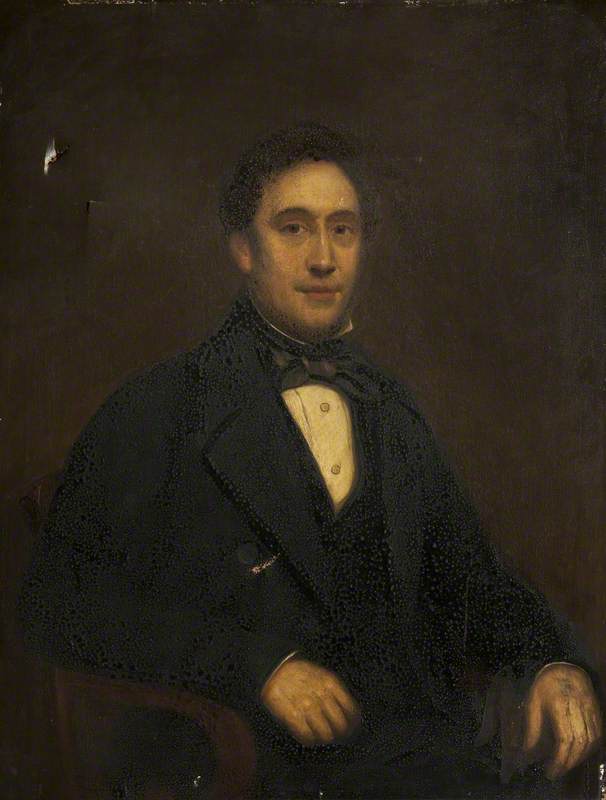
من وجهة نظر المعرض، تُعد Isaac Simpson (1860) أشهر لوحات Philipp Hoyoll، والتي تُعرض لوحتها الأصلية في Harris Museum - Art Gallery، بريستون. Thomas Hart (1799–1859), JP (1859) و Stephen Simpson (1860) يكملان الثلاثية التي تدركها كل عين. من بين 9 من أعمال Philipp Hoyoll في كتالوجنا، يعرض المعرض أدناه 9 من أشهرها، كل منها عمل أصلي مع سنة إنتاجه، والمتحف الذي يضمها، وما يجعلها فريدة من نوعها.



المتاحف الـ 4 التي تضم أكبر عدد من اللوحات الموجودة في هذه الصفحة.
| المتحف | المدينة | أعمال Philipp Hoyoll | لوحات من هذه القائمة |
|---|---|---|---|
 Harris Museum - Art Gallery |
بريستون | 3 | Isaac Simpson, Stephen Simpson, Mary Simpson |
 Wigan Arts And Heritage Service |
Wigan | 1 | Portrait of an Unknown Man |
 Bolton Museum And Art Gallery |
بولتون | 1 | James Taylor Staton (1817–1875) |
 Blackburn Town Hall |
Blackburn | 1 | Thomas Thwaites |
تتراوح الأعمال الأصلية المؤرخة لـ Philipp Hoyoll في هذه الصفحة ضمن 3 عاماً، من 1859 إلى 1861: ويعرض المعرض أشهر هذه الأعمال.
اختر سنة لعرض أعمالها الأصلية.
Isaac Simpson (1860)، Harris Museum - Art Gallery, بريستون. ويليها Thomas Hart (1799–1859), JP (1859) وStephen Simpson (1860).
عمر 44 عاماً: يعود تاريخ Isaac Simpson إلى 1860، وقد وُلد Philipp Hoyoll في 1816.
يضم كتالوجنا 9 من أعمال Philipp Hoyoll، التي يعود تاريخها من 1859 إلى 1861.
توجد غالبيتها في Harris Museum - Art Gallery (بريستون), Wigan Arts And Heritage Service (Wigan) و Bolton Museum And Art Gallery (بولتون). يدرج جدول المتاحف أعلاه جميعها.
في 1860: تم إنجاز 4 من أصل 9 من الأعمال في هذه الصفحة خلال تلك الفترة، من بينها Isaac Simpson.
في هذه الصفحة، أقدم الأعمال يعود إلى Thomas Hart (1799–1859), JP (1859) وأحدثها يعود إلى James Taylor Staton (1817–1875) (1861).
Isaac Simpson, Stephen Simpson و Mary Simpson: يضم Harris Museum - Art Gallery, بريستون 3 من الأعمال المعروضة في هذه الصفحة.
In the grand, sweeping tapestry of nineteenth-century British art, few threads are as finely woven as those left by Philipp Hoyoll. A master of Victorian portraiture, Hoyoll possessed a rare, almost supernatural ability to bridge the gap between mere physical likeness and the profound psychological depth of his subjects. Born in 1816, his life unfolded during an era of immense transformation in England—a time when the rigid structures of the past were beginning to dance with the burgeoning complexities of a modernizing world. While much of his early life remains shrouded in the soft mists of history, his artistic presence is undeniably luminous, marked by a commitment to meticul and realism that captured the very essence of the British elite.
The foundation of Hoyoll’s brilliance can be traced back to his formative training under the legendary Thomas Hudson. To study under Hudson was to inherit the mantle of the "Grand Manner," a prestigious tradition that demanded clarity, restraint, and an idealized sense of beauty rooted in classical ideals. From this mentorship, Hoyoll absorbed more than just technical proficiency; he learned the art of storytelling through the gaze and the subtle positioning of a sitter. He understood that a portrait was not merely a record of a face, but a window into a character, a way to immortalize the inner life of the individual through the careful application of light and shadow.
Hoyoll’s work is characterized by an unwavering dedication to anatomical accuracy and a breathtaking command over subtle tonal gradations. When one observes his portraits, there is an immediate sense of intimacy, as if the viewer has been granted a private audience with history itself. His brushwork, though precise, never felt clinical; rather, it breathed life into the textures of silk, the weight of velvet, and the soft luminescence of skin. This technical prowess allowed him to navigate the complex social landscape of his time, securing prestigious commissions from some of the most influential figures of the Victorian age.
His portfolio serves as a gallery of the era's prominent personalities, reflecting the social hierarchy and the philanthropic spirit of the nineteenth century. Notable among his achievements are his depictions of:
Through these works, Hoyoll did more than paint faces; he documented the social fabric of an empire. His ability to balance the formal conventions of his era with a burgeoning interest in psychological realism allowed him to transcend the limitations of traditional portraiture. He captured the ennui, the pride, and the quiet strength of his subjects, ensuring that their legacies would endure long after the era of the Grand Manner had faded into memory.
As the nineteenth century progressed, the art world began to shift toward more experimental and impressionistic styles, yet the work of Philipp Hoyoll remained a steadfast pillar of classical excellence. His contribution to British portraiture lies in his ability to maintain the dignity of the subject while infusing the canvas with a palpable sense of humanity. He stood at the intersection of tradition and evolution, using the tools of the old masters to explore the complexities of a new age.
Though he passed away around 1875 or 1876, leaving behind a body of work that continues to fascinate historians and art enthusiasts alike, Hoyoll’s impact remains. His paintings are not merely relics of a bygone period; they are vibrant, breathing testimonies to the human condition. To study Hoyoll is to encounter the heart of Victorian England—a world of elegance, duty, and an enduring search for identity through the mirror of art.


