


1


تحديث نوفمبر 2026 · مُرتبة حسب مؤشر شعبيتنا (عمليات البحث، والزيارات، والطلبات لكل عمل فني) · 60 أعمال لـ Peter Jacob Horemans في كتالوجنا
باختصار
من بين جميع الأعمال الأصلية التي تركها Peter Jacob Horemans، تُعد Portrait of Frau Heigl (1738) هي الأشهر، وهي ضمن مجموعة مجموعات بافاريا الحكومية للرسم في ميونخ. تأتي بعدهما مباشرة كل من Kitchen Still Life with Coffee Drinker (1765) و Musical Still Life with Horn Player (1765). يضم كتالوجنا 60 من أعمال Peter Jacob Horemans؛ حيث احتفظ المعرض بـ 58 من أكثر الأعمال التي يعجب بها العالم، مع عرض كل منها مع تاريخها ومتحفها وقصتها.


 The Smoker1764 · مجموعات بافاريا الحكومية للرسم
12
 Hunting Still Life with Hunter1765 · مجموعات بافاريا الحكومية للرسم
13
 Hunting Still Life with Hunter1765 · مجموعات بافاريا الحكومية للرسم
14
 Kitchen Interior with Beer Drinker1765 · مجموعات بافاريا الحكومية للرسم
15
 Kitchen Still Life with Female Figure Counting Money and Parrot1760 · مجموعات بافاريا الحكومية للرسم
16
 Still Life with Violinist1763 · مجموعات بافاريا الحكومية للرسم
17
 The Tailor's Workshop1759
18
 Still life with a distinguished gentleman1762 · مجموعات بافاريا الحكومية للرسم
19
 Fruit still life with a female figure drinking wine1764 · مجموعات بافاريا الحكومية للرسم
20
 Kitchen still life with female figure and parrot (An allegory of feeling)1760 · مجموعات بافاريا الحكومية للرسم
21
 Shoemakers-shop1759
22
 Still Life with Female Figure1770 · مجموعات بافاريا الحكومية للرسم
23
 Kitchen Still Life with Female Figure and Parrot1771 · مجموعات بافاريا الحكومية للرسم
24
 Court Musician Felix Reiner with Bassoon1774 · مجموعات بافاريا الحكومية للرسم
25
 Court Musician with Violin (Johann Georg Holzbogen)1774 · مجموعات بافاريا الحكومية للرسم
26
 Still Life "The Treasurer"1773 · مجموعات بافاريا الحكومية للرسم
27
 Kitchen Still Life with Female Figure and Parrot1771 · مجموعات بافاريا الحكومية للرسم
28
 Portrait of District Administrator Josef Heigl1768 · مجموعات بافاريا الحكومية للرسم
29
 Spring (Johanna de Lasence Having Coffee in the Garden)1767 · مجموعات بافاريا الحكومية للرسم
30
 Self-portrait in the artist's atelier1766 · مجموعات بافاريا الحكومية للرسم
31
 Bildnis eines Silberdieners1772 · مجموعات بافاريا الحكومية للرسم
32
 Portrait of court sculptor Roman Anton Boos (1730-1810) in his studio next to a bust of elector Maximilian III1766 · مجموعات بافاريا الحكومية للرسم
33
 Hunting a wild boar1773 · المتحف الوطني في وارسو
34
 Hunting with falcons1773 · المتحف الوطني في وارسو
35
 Picnic in the park1776 · Lenbachhaus
36
 Concert in the garden1776 · Lenbachhaus
37
 Still Life with Plucked Chicken1764 · مجموعات بافاريا الحكومية للرسم
38
 Still Life with Pork Knuckle and Squirrel1765 · مجموعات بافاريا الحكومية للرسم
39
 Still Life with Dead Partridge1764 · مجموعات بافاريا الحكومية للرسم
40
 Still Life with Fish1765 · مجموعات بافاريا الحكومية للرسم
41
 Still Life with Pork Knuckle and Parrot1765 · مجموعات بافاريا الحكومية للرسم
42
 Still Life with Fruit1765 · مجموعات بافاريا الحكومية للرسم
43
 Still Life with Dead Lamb1765 · مجموعات بافاريا الحكومية للرسم
44
 Still Life with Dead Hare1764 · مجموعات بافاريا الحكومية للرسم
45
 Still Life with Fruit1765 · مجموعات بافاريا الحكومية للرسم
46
 Still Life with Kitchen Utensils and Plucked Chicken1765 · مجموعات بافاريا الحكومية للرسم
47
 Still Life with Kitchen Utensils and Dead Partridge1765 · مجموعات بافاريا الحكومية للرسم
48
 Still Life with Lobster1765 · مجموعات بافاريا الحكومية للرسم
49
 Still Life with Lobster1766 · مجموعات بافاريا الحكومية للرسم
50
 Still Life with Grapes and Apples1768 · مجموعات بافاريا الحكومية للرسم
51
 Fruit Still Life1770 · مجموعات بافاريا الحكومية للرسم
52
 Still Life with Crabs1766 · مجموعات بافاريا الحكومية للرسم
53
 Fruit Still Life1768 · مجموعات بافاريا الحكومية للرسم
54
 Fruit Snack1770 · مجموعات بافاريا الحكومية للرسم
55
 Still Life with Fruit and Dead Birds1771 · مجموعات بافاريا الحكومية للرسم
56
 Still Life with Fruit and Dead Birds1771 · مجموعات بافاريا الحكومية للرسم
57
 A Musical Gathering at the Court of the Elector Karl Albrecht of Bavaria1730 · متحف المتروبوليتان للفنون
58
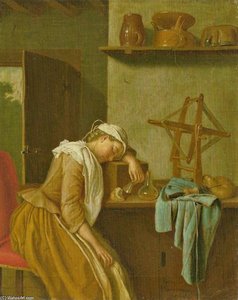 Schlafendes Küchenmädchenمجموعات بافاريا الحكومية للرسم
المتاحف الـ 4 التي تضم أكبر عدد من اللوحات الموجودة في هذه الصفحة.
| المتحف | المدينة | أعمال Peter Jacob Horemans | لوحات من هذه القائمة |
|---|---|---|---|
 مجموعات بافاريا الحكومية للرسم |
ميونخ | 51 | Portrait of Frau Heigl, Kitchen Still Life with Coffee Drinker, Musical Still Life with Horn Player |
 المتحف الوطني في وارسو |
وارسو | 2 | Hunting a wild boar, Hunting with falcons |
 Lenbachhaus |
ميونيخ | 2 | Picnic in the park, Concert in the garden |
 متحف المتروبوليتان للفنون |
نيويورك | 1 | A Musical Gathering at the Court of the Elector Karl Albrecht of Bavaria |
اختر عقداً لتشاهد العمل الأصلي الذي يجسده.

Portrait of Frau Heigl (1738)، مجموعات بافاريا الحكومية للرسم, ميونخ. ويليها Kitchen Still Life with Coffee Drinker (1765) وMusical Still Life with Horn Player (1765).
عمر 38 عاماً: يعود تاريخ Portrait of Frau Heigl إلى 1738، وقد وُلد Peter Jacob Horemans في 1700.
Portrait of Frau Heigl, Kitchen Still Life with Coffee Drinker, Musical Still Life with Horn Player, Still Life with Female Figure with Flowers, Still Life with Elegant Lady, Still Life with Fruit and Female Figure, The Soup Eater, Still Life with Female Figure with Beer Glass, Still Life with Female Figure و Musical Still Life with Male Figure. يوضح التصنيف أعلاه سنة كل لوحة والمتحف التابعة له.
يضم كتالوجنا 60 من أعمال Peter Jacob Horemans، التي يعود تاريخها من 1730 إلى 1776.
توجد غالبيتها في مجموعات بافاريا الحكومية للرسم (ميونخ), المتحف الوطني في وارسو (وارسو) و Lenbachhaus (ميونيخ). يدرج جدول المتاحف أعلاه جميعها.
في 1760s: تم إنجاز 36 من أصل 58 من الأعمال في هذه الصفحة خلال تلك الفترة، من بينها Kitchen Still Life with Coffee Drinker.
في هذه الصفحة، أقدم الأعمال يعود إلى A Musical Gathering at the Court of the Elector Karl Albrecht of Bavaria (1730) وأحدثها يعود إلى Picnic in the park (1776).
Portrait of Frau Heigl, Kitchen Still Life with Coffee Drinker و Musical Still Life with Horn Player: يضم مجموعات بافاريا الحكومية للرسم, ميونخ 51 من الأعمال المعروضة في هذه الصفحة.