بورتريه لـ Naddo Ceccarelli

أشهر 16 لوحات لـ Naddo Ceccarelli، مختارات من المعرض

تحديث نوفمبر 2026 · مُرتبة حسب مؤشر شعبيتنا (عمليات البحث، والزيارات، والطلبات لكل عمل فني) · 16 من أعمال Naddo Ceccarelli في كتالوجنا

باختصار

من بين جميع الأعمال الأصلية التي تركها Naddo Ceccarelli، تُعد Madonna and Child (1347) هي الأشهر، وهي ضمن مجموعة Ashmolean Museum في أكسفورد. تأتي بعدهما مباشرة كل من Madonna and Child (1347) و Madonna and Child Flanked by Four Saints (1347). يضم كتالوجنا 16 من أعمال Naddo Ceccarelli؛ حيث احتفظ المعرض بـ 16 من أكثر الأعمال التي يعجب بها العالم، مع عرض كل منها مع تاريخها ومتحفها وقصتها.

1320 – 1347, Siena أكبر مجموعة أعمال: Ashmolean Museum

أفضل 10 لوحات لـ Naddo Ceccarelli: مختارات المعرض

1
Madonna and Child (1347) للفنان Naddo Ceccarelli

Madonna and Child

1347 · Tempera On Panel · Ashmolean Museum, أكسفورد

Madonna and Child is a religious panel painting by Naddo Ceccarelli, executed in 1347. The artist, born in Siena, Italy, in 1320, was a prominent figure in the Sienese school during the mid-14th century. This work is a representative example of the International Gothic style, characterized by its lyrical lines and decorative emphasis.

2
Madonna and Child (1347) للفنان Naddo Ceccarelli

Madonna and Child

1347 · Tempera On Panel

The painting presents a vertical, centered composition of the Virgin Mary holding the Christ Child. The figures are positioned against a background of gold leaf, which creates a flat, non-directional light that emanates from the surface rather than a natural source. The Madonna is draped in a dark blue or black mantle, which contrasts with the pale pink tunic worn by the Child. Their faces are rendered in oval shapes…

3
Madonna and Child Flanked by Four Saints (1347) للفنان Naddo Ceccarelli

Madonna and Child Flanked by Four Saints

1347 · Tempera On Panel · Chrysler Museum of Art, نورفولك

In the quiet intimacy of a private chapel or a refined domestic space, certain works of art possess the power to transcend time, acting as windows into a more spiritual era. Madonna and Child Flanked by Four Saints is precisely such a masterpiece. Created in 1347 by the Sienese master Naddo Ceccarelli, this delicate three-part altarpiece functions like a gilded Gothic dollhouse, inviting the viewer into a sacred, enclosed world.…

4
The Crucifixion للفنان Naddo Ceccarelli

The Crucifixion

Tempera On Panel · Fitzwilliam Museum

Naddo Ceccarelli, a gifted pupil of the leading Sienese painter Simone Martini, executed The Crucifixion as a significant religious panel painting. This work belongs to the Sienese School and reflects the stylistic developments of the Late Gothic period. Ceccarelli’s training under Martini is evident in the execution of this piece, which emerged from a workshop tradition defined by both spiritual intensity and technical precision.

5
Saints Blaise, Catherine of Alexandria, and Lawrence للفنان Naddo Ceccarelli

Saints Blaise, Catherine of Alexandria, and Lawrence

Tempera On Panel · متاحف هارفارد للفنون, كامبريدج

In this religious panel, Naddo Ceccarelli presents Saints Blaise, Catherine of Alexandria, and Lawrence. The three figures emerge from a gold ground, standing in a silent row. They occupy a shallow space, their upright postures creating a rhythmic verticality. This Sienese work reflects the devotional focus of the mid-fourteenth century, a period when the artist was active between about 1330 and 1360.

6
Pietà with Saints للفنان Naddo Ceccarelli

Pietà with Saints

Tempera On Panel

Pietà with Saints is a religious composition by Naddo Ceccarelli. The artist, born in Siena, Italy, in 1320, was a 14th-century Italian painter. This work likely served as an altarpiece, a sacred object intended for a place of worship. It captures a moment of profound stillness through its specific arrangement of figures.

تستمر مجموعة Naddo Ceccarelli، من 11 إلى 16

المواضيع التي استأثرت باهتمام Naddo Ceccarelli

المواضيع الأربعة التي تتكرر باستمرار في هذه الأعمال الأصلية، مع تقديم أروع مثال لكل منها.

المتاحف التي تحتفظ بالأعمال الأصلية لـ Naddo Ceccarelli

المتاحف الـ 5 التي تضم أكبر عدد من اللوحات الموجودة في هذه الصفحة.

المتاحف المدينة أعمال Naddo Ceccarelli لوحات من هذه القائمة
Ashmolean Museum, أكسفوردAshmolean Museum أكسفورد 1 Madonna and Child
Chrysler Museum of Art, نورفولكChrysler Museum of Art نورفولك 1 Madonna and Child Flanked by Four Saints
Fitzwilliam MuseumFitzwilliam Museum 1 The Crucifixion
متاحف هارفارد للفنون, كامبريدجمتاحف هارفارد للفنون كامبريدج 1 Saints Blaise, Catherine of Alexandria, and Lawrence
متحف الفنون الجميلة, بوسطنمتحف الفنون الجميلة بوسطن 1 Crucified Christ with the Virgin and Saint John the Evangelist

Naddo Ceccarelli عاماً بعد عام: الأعمال الأصلية التي تميز كل عام

1347 هو العام لكل عمل من أعمال Naddo Ceccarelli المؤرخة في هذه المجموعة: إليكم إياها، مرتبة حسب الشهرة.

الأعمال حسب السنة

اختر سنة لعرض أعمالها الأصلية.

أسئلة المقتنين حول لوحات Naddo Ceccarelli

ما هو العمل الأكثر شهرة لـ Naddo Ceccarelli؟اكتشف الإجابة

Madonna and Child (1347)، Ashmolean Museum, أكسفورد. ويليها Madonna and Child (1347) وMadonna and Child Flanked by Four Saints (1347).

كم كان عمر Naddo Ceccarelli عندما تم إنجاز Madonna and Child؟اكتشف الإجابة

عمر 27 عاماً: يعود تاريخ Madonna and Child إلى 1347، وقد وُلد Naddo Ceccarelli في 1320.

ما هي أشهر عشر لوحات لـ Naddo Ceccarelli؟اكتشف الإجابة

Madonna and Child, Madonna and Child, Madonna and Child Flanked by Four Saints, The Crucifixion, Saints Blaise, Catherine of Alexandria, and Lawrence, Pietà with Saints, The Virgin Annunciate, Virgin And Child, The Virgin and Child و The Virgin Annunciate -. يوضح التصنيف أعلاه سنة كل لوحة والمتحف التابعة له.

كم عدد اللوحات التي تركها Naddo Ceccarelli؟اكتشف الإجابة

يضم دليلنا 16 من أعمال Naddo Ceccarelli.

في أي متاحف تُعرض روائع Naddo Ceccarelli؟اكتشف الإجابة

توجد غالبيتها في Ashmolean Museum (أكسفورد), Chrysler Museum of Art (نورفولك) و Fitzwilliam Museum. يدرج جدول المتاحف أعلاه جميعها.

في أي سنوات رسم Naddo Ceccarelli أشهر أعماله؟اكتشف الإجابة

في 1347: تم إنجاز 3 من أصل 16 من الأعمال في هذه الصفحة خلال تلك الفترة، من بينها Madonna and Child.

ما هي المواضيع التي اختارها Naddo Ceccarelli بشكل متكرر؟اكتشف الإجابة

Gold background (5), Virgin (4) و Child (3)، عبر 16 من الأعمال في هذه الصفحة.

ما هي التقنية التي استخدمها Naddo Ceccarelli بشكل أكبر؟اكتشف الإجابة

Tempera On Panel، لـ 8 من أصل 16 من الأعمال في هذه الصفحة.

Naddo Ceccarelli: حياته وأعماله

Early Life and Artistic Training

Naddo Ceccarelli emerged onto the artistic landscape of Siena in the mid-14th century, a period marked by fervent religious devotion and burgeoning urban sophistication. Precise biographical details remain elusive, shrouded in the mists of medieval documentation—information about his birth year is uncertain, estimated to be around 1320. However, what we know with relative confidence is that he received his formative artistic education under the tutelage of Simone Martini (ca. 1284–1344), arguably Siena’s most celebrated painter of the era. Martini's workshop was a crucible for innovation and stylistic refinement, attracting ambitious young artists eager to absorb his mastery. Ceccarelli’s association with Martini extended beyond mere instruction; he traveled alongside Martini to Avignon in 1330, immersing himself in the papal court’s artistic milieu—a pivotal experience that undoubtedly broadened his horizons and influenced his subsequent oeuvre.Simone Martini's influence is palpable in Ceccarelli's stylistic choices, particularly evident in his predilection for delicate color palettes and meticulous attention to detail.

Style and Technique

Ceccarelli’s artistic style can be characterized as a harmonious blend of Martini’s expressive grandeur and the more restrained elegance of the master of Palazzo Venezia and Memmi. He excelled in capturing the luminous quality of tempera paint, skillfully layering translucent glazes over gold leaf to achieve breathtaking effects of shimmering brilliance—a technique that mirrored the advancements occurring in goldsmithing at the time. This masterful manipulation of light was particularly evident in depictions of chain mail and other metallic embellishments, demonstrating a keen understanding of how to convey texture and materiality through pigment alone.His compositions are often characterized by serene stillness, reflecting the spiritual ethos of his era. Ceccarelli’s paintings frequently portray Madonna and Child figures—a motif deeply rooted in Marian devotion—often accompanied by saints. These small-scale panels stand apart from Martini's monumental works, suggesting a stylistic divergence driven by individual artistic sensibilities.
    Notable features include:
  • Precise delineation of drapery folds
  • Subtle gradations of color
  • Delicate rendering of facial expressions
  • Major Works and Patronage

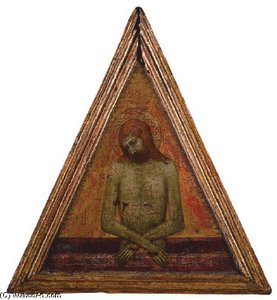
    Two signed paintings by Ceccarelli’s hand—the Madonna and Child (formerly in the Cook Collection in Richmond, Surrey) dated to 1347 and Christ The Man Of Sorrows (Liechtenstein Collection, Vaduz)—provide invaluable insight into his artistic output. These masterpieces exemplify Ceccarelli's stylistic prowess and underscore his position as one of Martini’s workshop’s most accomplished pupils.
      The Madonna and Child,
  • displays a masterful use of color and texture, capturing the ethereal beauty of Mary and Jesus with remarkable sensitivity.
  • Christ The Man Of Sorrows
  • is distinguished by its solemn expression and evocative depiction of sorrow—a testament to Ceccarelli’s ability to convey profound emotion through visual imagery.
      Ceccarelli's work was commissioned primarily by ecclesiastical patrons,
    reflecting the pervasive influence of religious faith on artistic production during the fourteenth century. The Madonna and Child with Saints (Pinacoteca Nazionale Siena) represents a larger-scale altarpiece, showcasing Ceccarelli’s ambition to undertake ambitious projects that would elevate his reputation.
  • Historical Significance

    Naddo Ceccarelli's contribution to Sienese art is significant not only for its stylistic refinement but also for its embodiment of a broader cultural trend—the fusion of painting and goldsmithing. Like Martini and Memmi, Ceccarelli pioneered the innovative practice of incorporating gold leaf into panel paintings, transforming them into objects of devotional splendor.This approach reflects a shift away from traditional sculptural representations of saints, prioritizing visual narratives that conveyed spiritual meaning through luminous color and intricate ornamentation. Ceccarelli’s legacy endures as an exemplar of medieval artistic excellence—a painter who skillfully navigated the stylistic currents of his time while forging a distinctive artistic voice.His work serves as a reminder of Siena's role as a center for artistic innovation during the High Gothic period, securing its place in art history.