الإرث المضيء لمانويل بينيديتو فيفيس
يبرز مانويل بينيديتو فيفيس (1875-1963) كشخصية مرموقة في تاريخ فن فالنسيا، حيث احتُفي به بفضل مناظره الطبيعية المضيئة وبورتريهاته المرسومة بدقة متناهية والتي جسدت روح عصره. وُلد في فالنسيا في يوم عيد الميلاد عام 1ب75، لتبدأ رحلته الفنية من بدايات متواضعة؛ فقد كان والده محنط حيوانات، مما غرس فيه تقديراً مبكراً للملاحظة الدقيقة والتفاصيل المتناهية. هذه المهارات التأسيسية، المتجذرة في الدراسة المتأنية للشكل والملمس، صُقلت لاحقاً داخل مدرسة سان كارلوس للفنون الجمية المرموقة. وبعد ست سنوات من التحاقه بها، قضى بينيديتو سنوات تكوينه تحت إشراف خواكين سورولا، الذي يعد بلا شك الرسام الأكثر محبوبية في فالنسيا. وقد عززت هذه التلمذة ارتباطه بمبادئ المدرسة الانطباعية، وزرعت فيه فهماً عميقاً لكيفية التقاط اللحظات العابرة للجمال الطبيعي من خلال الضوء والأجواء المحيطة.
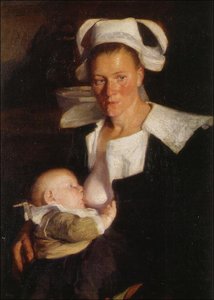
ولم يتوقف تأثير سورولا عند حدود التقنية فحسب، بل غرس في نفس بينيديتو تفانياً في تصوير العاطفة جنباً إلى جنب مع الدقة البصرية. ويتجلى هذا النهج بوضوح في كامل أعماله، ولا سيما في تصويراته المؤثرة للريف في فالنسيا، حيث المشاهد المغمورة بالضوء الذهبي، والنابضة بالحياة النباتية والحيوانية. إن قدرته على تطويع اللون والنغمة سمحت له بابتكار أعمال تشعر وكأنها تنبض بالحركة والدفء؛ فعلى سبيل المثال، تعمل لوحة Carros En La Playa كمشهد انطباعي حي للحياة الإسبانية، مستعرضة طاقة ديناميكية ولوحة ألوان دافئة تدعو المشاهد للانغماس في لحظة مشمسة من الحياة الساحلية. وسواء كان يجسد الطاقة التعبيرية الفوضوية لتحفة رمزية مثل El Infierno أو الجمال الهادئ لمنظر طبيعي، فقد ظلت ضربات فرشاة بينيديتو متصلة بعمق بالتجربة الحسية للعالم من حوله.
براعة البورتريه وتجسيد الشخصية
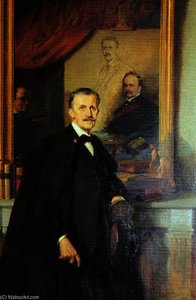
بينما نجحت مناظره الطبيعية في التقاط روح الأرض الإسبانية، فإن عبقرية بينيديتو الحقيقية تجلت بأبهى صورها في مجال رسم البورتريه. فقد امتلك قدرة خارقة على استخلاص الشخصية وتحويلها إلى طلاء، فلم يكتفِ بالتقاط الشبه الجسدي فحسب، بل جسد أيضاً الشعور الداخلي، مما نتج عنه بورتريهات تظل ثاقبة ومؤثرة عاطفياً بشكل مذهل. وكثيراً ما جسرت أعماله الفجوة بين الواقعية الأكاديمية والعمق النفسي الأكثر حداثة؛ ففي قطع فنية مثل Pastora Imperio، يمكن للمرء أن يشهد قدرته على التقاط الأناقة والرقي من خلال التفاصيل الغنية وإحساس خالد بالجمال، مصوراً الشخصية بوقار يتجاوز حدود اللوحة.
إن موهبته في التقاط النظرة البشرية والفروق الدقيقة في التعبير أكسبته تقديراً كبيراً داخل الأوساط الأكاديمية. وقد أدت هذه المهارة إلى حصوله على مناصب مرموقة، بما في ذلك العمل كمدرس في مدرسة سان فرناندو، حيث نقل براعته في الضوء والشكل إلى الجيل القادم من الفنانين. لم تكن بورتريهاته مجرد دراسات للوجوه، بل كانت سرديات للهوية، تعكس غالباً الطبقات الاجتماعية والجماليات الراقية للطبقات العليا الإسبانية. ومن خلال تطبيقه الدقيق لطلاء الزيت، استطاع نقل ملمس الحرير، ونعومة البشرة، وثقل حضور الشخص، مما جعله مفضلاً لدى المقتنين وحتى بين أعضاء العائلة المالكة الإسبانية.
التطور الفني والأهمية التاريخية
يعكس مسار مسيرة بينيديتو فيفيس المهنية تقدماً مستمراً من طالب في المدرسة الانطباعية إلى سيد لأساليب متنوعة، بما في ذلك الواقعية والرمزية. وتعمل أعماله كسجل تاريخي حي للمناظر الاجتماعية والجمالية المتغيرة في إسبانيا خلال أواخر القرن التاسع عشر وأوائل القرن العشرين. ومن خلال مزج التقنيات المليئة بالضوء التي تعلمها من معلمه سورولا مع نهج أكاديمي أكثر تنظيماً في التكوين، ابتكر لغة بصرية فريدة كانت حديثة ومتجذرة بعمق في التقاليد في آن واحد.
واليوم، تكمن أهمية مانويل بينيديتو فيفيس في قدرته على الموازنة بين الصرامة التقنية للرسم الكلاسيكي والسيولة العاطفية للعصر الحديث. وتظل إسهاماته في فن فالنسيا لا غنى عنها، حيث تفتح نافذة على عالم من:
- المناظر الطبيعية المضيئة: التي تلتقط ضوء البحر الأبيض المتوسط الفريد والنباتات النابضة بالحياة في الساحل الإسباني.
- البورتريه النفسي: الذي يخلق صوراً خالدة تجسد الرقي والوقار والجوهر الداخلي لشخصياته.
- التوثيق الثقافي: الذي يحفظ الأجواء والأزياء والديناميكيات الاجتماعية لعصره من خلال لوحات زيتية بارعة.
الأسئلة والأجوبة
ما هو مسقط رأس مانويل بينيديتو فيفيس وسنة ميلاده؟
وُلد مانويل بينيديتو فيفيس في فالنسيا عام 1875.
كيف يمكنني متابعة أعمال مانويل بينيديتو فيفيس عاماً بعد عام؟
تعرض صفحة الخط الزمني للأعمال الفنية الخاصة بالفنان أعمال مانويل بينيديتو فيفيس مرتبة حسب التاريخ، عاماً تلو الآخر.
كيف يمكنني العثور على أعمال مانويل بينيديتو فيفيس ضمن موضوع معين؟
يمكن استكشاف أعمال مانويل بينيديتو فيفيس عبر الكلمات المفتاحية في صفحة حسب الكلمات المفتاحية الخاصة بالفنان، حيث تجمع كل كلمة مفتاحية الأعمال الفنية ذات الصلة.
هل يمكنني زيارة متحف افتراضي لأعمال مانويل بينيديتو فيفيس؟
يمكن مشاهدة أعمال مانويل بينيديتو فيفيس الفنية في معرض ثلاثي الأبعاد عبر صفحة متحف ثلاثي الأبعاد الخاصة بالفنان.
ما هي مدينة وموطن ولادة مانويل بينيديتو فيفيس؟
وُلد مانويل بينيديتو فيفيس في فالنسيا، في إسبانيا.
هل يمكنني تصفح أعمال مانويل بينيديتو فيفيس حسب الوسيط الفني؟
يمكن تصفح أعمال مانويل بينيديتو فيفيس حسب الوسيط الفني في صفحة جميع الوسائط الخاصة بالفنان.
من أي بلد ينتمي مانويل بينيديتو فيفيس؟
وُلد مانويل بينيديتو فيفيس في إسبانيا.