Saint Russia
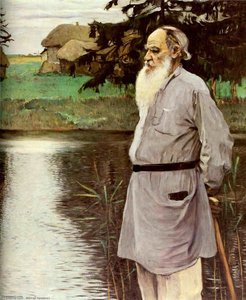
Saint Russia is an oil on canvas work by Mikhail Nesterov. The artist executed this piece between 1901 and 1905. It remains part of the permanent collection at the State Russian Museum in the Russian Federation.
باختصار
تُعد Saint Russia اللوحة الأكثر جذباً للأنظار للفنان ميخائيل نيستروف. بعد ذلك، تتجه العين إلى Self-Portrait (1918) و Saint Sergius' labours (right part of the triptych) (1896). من بين 158 من أعمال ميخائيل نيستروف في كتالوجنا، تُعد هذه 100 الأعمال هي الأكثر شهرة، حيث تُعرض كل واحدة منها كعمل أصلي فريد مع سنة إنتاجها، والمتحف الذي تضمّه، والسبب وراء خلودها.
Saint Russia is an oil on canvas work by Mikhail Nesterov. The artist executed this piece between 1901 and 1905. It remains part of the permanent collection at the State Russian Museum in the Russian Federation.
The artwork is titled Self-Portrait and was created by the artist Mikhail Nesterov. This specific piece is a monochrome portrait that focuses on a self-representation of the artist. The work was produced in 1918.
A solitary figure moves through a landscape of winter. Dressed in a long coat and hat, a man resembling a monk or priest carries a child in his arms. The scene is set upon a street lined with buildings, where the urban architecture meets a heavy, white blanket of snow. In the background, the presence of a dog and other distant figures adds a sense of lived-in movement to the…
Mikhail Nesterov produced Solovki in 1917. The work provides a representation of the Solovki islands located in Russia. This landscape captures a specific geographic setting through a lens of quietude and natural scale.
In this 1940 work, titled Portrait of Vera Mukhina, the artist Mikhail Nesterov captures a moment of quiet intensity. The painting focuses on the likeness of Vera Mukhina, a woman who lived from 1889 to 1953. It is a study of character and presence, rendered during a period when the artist and his subject had recently become acquainted, having met in the autumn of 1939.
In the quietude of Mikhail Nesterov’s 1909 masterpiece, St. Mark the Apostle, we are invited into a moment of profound spiritual contemplation. The painting presents a striking portrait of the Apostle, depicted with deep, soulful features and a dignified beard, seated in a state of meditative repose upon a rugged rock. Set against a lush, natural backdrop that suggests a secluded garden or a sacred grove, the composition breathes with…
The scene before us is Autumn, a landscape that captures a specific, quiet moment in the changing seasons. Mikhail Nesterov, a painter who sought to translate the very essence of the Russian soul onto canvas, brings this seasonal transition to life through his unique vision. The work, created in 1906, invites a sense of stillness into the viewer's space, as if the air itself has paused to breathe.
The scene unfolds through the Portrait of Olga Nesterova (Woman in a Riding Habit), a work that captures a quiet, suspended moment in time. Mikhail Nesterov brings this figure to life, presenting a woman who exists within a landscape of soft light and natural textures. She stands poised, her presence defined by the elegant lines of her riding habit, a garment that speaks to a specific way of life and…
Youth of Saint Sergiy Radonezhsky is a painting by Mikhail Nesterov. The canvas captures a quiet moment of grace, a stillness held within the brushstrokes of a man who sought the essence of the Russian soul. Nesterov, born in Ufa, Russia, in 1862, spent his life translating the unseen into the visible. His hand moved between the heavy weight of realism and the light, ethereal touch of symbolism.
In "Old painter" by Mikhail Nesterov, the viewer enters a quiet studio where time seems to pause. The composition centers entirely on an elderly artist, whose intense focus anchors the scene as he works upon a large canvas. He sits at his easel, caught in a moment of profound concentration. In the background, a classical sculpture rests in the shadows, acting as a silent focal point that draws the eye…
المواضيع الأربعة التي تتكرر باستمرار في هذه الأعمال الأصلية، مع تقديم أروع مثال لكل منها.
المتاحف الـ 4 التي تضم أكبر عدد من اللوحات الموجودة في هذه الصفحة.
| المتحف | المدينة | أعمال ميخائيل نيستروف | لوحات من هذه القائمة |
|---|---|---|---|
| وارسو | 3 | Nun, Sea view., Landscape study | |
| موسكو | 7 | Philosopher | |
| براتيسلافا | 1 | Nuns | |
| يريفان | 1 | A Litte Fox |
اختر عقداً لتشاهد العمل الأصلي الذي يجسده.
In "Old painter" by Mikhail Nesterov, the viewer enters a quiet studio where time seems to pause. The composition centers entirely on an elderly artist, whose intense focus anchors the scene as he works upon a large canvas. He sits at his easel, caught in a moment of profound concentration. In the background, a classical sculpture rests in the shadows, acting as a silent focal point that draws the eye…
A solitary figure moves through a landscape of winter. Dressed in a long coat and hat, a man resembling a monk or priest carries a child in his arms. The scene is set upon a street lined with buildings, where the urban architecture meets a heavy, white blanket of snow. In the background, the presence of a dog and other distant figures adds a sense of lived-in movement to the…
In the quietude of Mikhail Nesterov’s 1909 masterpiece, St. Mark the Apostle, we are invited into a moment of profound spiritual contemplation. The painting presents a striking portrait of the Apostle, depicted with deep, soulful features and a dignified beard, seated in a state of meditative repose upon a rugged rock. Set against a lush, natural backdrop that suggests a secluded garden or a sacred grove, the composition breathes with…
The artwork is titled Self-Portrait and was created by the artist Mikhail Nesterov. This specific piece is a monochrome portrait that focuses on a self-representation of the artist. The work was produced in 1918.
In Wayfarer, Mikhail Nesterov presents a quiet rural scene that invites a moment of stillness. Painted about 1921, the work centers on a subtle human connection set against a natural backdrop. An elderly woman and a young boy occupy the space, caught in a contemplative exchange that feels both private and significant. There is a sense of shared thought between them, a quietude that suggests the passing of experience from…
In this medium close-up portrait of V.G.Chertkov, Mikhail Nesterov captures the sitter reclining within the heavy embrace of a large, cushioned chair. The perspective is a direct, eye-level view that pulls the viewer into an intimate space with the man. His clothing is rendered in deep blacks and browns, anchoring the figure against a textured background of muted blues and teals. The arrangement is formal, yet the realistic and expressive…
In this 1940 work, titled Portrait of Vera Mukhina, the artist Mikhail Nesterov captures a moment of quiet intensity. The painting focuses on the likeness of Vera Mukhina, a woman who lived from 1889 to 1953. It is a study of character and presence, rendered during a period when the artist and his subject had recently become acquainted, having met in the autumn of 1939.
Saint Russia. يليه Self-Portrait (1918) و Saint Sergius' labours (right part of the triptych) (1896).
Saint Russia, Self-Portrait, Saint Sergius' labours (right part of the triptych), Solovki, Portrait of Vera Mukhina, St. Mark the Apostle, Autumn, Portrait of Olga Nesterova (Woman in a Riding Habit), Youth of Saint Sergiy Radonezhsky و Old painter. يوضح التصنيف أعلاه سنة كل لوحة والمتحف التابعة له.
يضم كتالوجنا 158 من أعمال ميخائيل نيستروف، التي يعود تاريخها من 1875 إلى 1940.
توجد غالبيتها في المتحف الوطني في وارسو (وارسو), معرض تريتياكوف الحكومي (موسكو) و المعرض الوطني السلوفاكي (براتيسلافا). يدرج جدول المتاحف أعلاه جميعها.
في 1900s: تم إنجاز 29 من أصل 100 من الأعمال في هذه الصفحة خلال تلك الفترة، من بينها St. Mark the Apostle.
في هذه الصفحة، أقدم الأعمال يعود إلى Portrait of M. M. Nesterova, the artist's mother (1875) وأحدثها يعود إلى Portrait of Vera Mukhina (1940).
Religious (18), Portraits (14) و Women (13)، عبر 100 من الأعمال في هذه الصفحة.
Oil On Canvas، لـ 12 من أصل 100 من الأعمال في هذه الصفحة.
Symbolist painting، بناءً على الأعمال الأصلية في هذه الصفحة.
Nun, Sea view. و Landscape study: يضم المتحف الوطني في وارسو, وارسو 3 من الأعمال المعروضة في هذه الصفحة.
ميخائيل فاسيليفيتش نيستروف، وُلد في 31 مايو 1862 في أوفا، روسيا، لم يكن مجرد رسام بل شاعرًا بصريًا للروح الروسية. برز من عائلة تجارية قوية حيث تم رعاية الميول الفنية بشكل مفاجئ؛ فقد أشعل حب والده للتاريخ والأدب بداخله الرغبة في ترجمة القصص والمشاعر إلى لوحات فنية. شجعه والده مبكرًا، فانضم إلى مدرسة فروسينسكي الثانوية في موسكو عام 1874—خطوة محورية وضعته على طريق أن يصبح أحد أهم رسامي الرمزية في روسيا. بدأ تعليمه الفني الرسمي في مدرسة موسكو للرسم والنحت والعمارة عام 1877، حيث درس تحت فنانين مرموقين مثل بافل سوروكين وإيلاريون بريانشنكوف وفاسيلي بيروف—الذي أثبت أنه شخصية مؤثرة بشكل خاص. حتى خلال هذه السنوات التكوينية، كان موهبة نيستروف واضحة حيث بدأ في عرض أعماله مع المدرسة في وقت مبكر من عام 1879. فترة وجيزة وغير مرضية في أكاديمية الفنون الجميلة الإمبراطورية دفعته إلى العودة إلى موسكو وتلقي المزيد من التدريب تحت إشراف أليكسي سافراسوف، مما عزز أساسه الفني. هذه التجارب المبكرة غرست فيه مزيجًا من الواقعية وحساسية متزايدة للجو والعمق العاطفي الذي سيميز أسلوبه الناضج.
حقق نيستروف اختراقه مع لوحة المنعزل (1889)، وهي لوحة لاقت صدى فوريًا لدى الجمهور والنقاد على حد سواء. لم يكن استحواذ بافل تريتياكوف، جامع التحف الشهير ومؤسس معرض تريتياكوف، مجرد معاملة مالية بل كان بمثابة تأكيد لصوت نيستروف الفني الناشئ. سمحت له هذه الصفقة فرصة السفر على نطاق واسع في جميع أنحاء أوروبا—النمسا وألمانيا وفرنسا وإيطاليا—وتوسيع آفاقه وتعريضه لتقاليد فنية متنوعة. ومع ذلك، عند عودته إلى روسيا، بدأ دعوته الحقيقية في التبلور. انغمس بعمق في مشروع ضخم: سلسلة من الأعمال مخصصة لحياة القديس سيرجيوس الرادونيج، وهي شخصية روحية هيمنت على طاقاته الإبداعية لما يقرب من نصف قرن. لم يكن هذا الالتزام مجرد فني؛ بل كان استكشافًا عميقًا للروحانية والتقشف الروسي—شوق للمعنى الذي سائد في الثقافة الروسية في ذلك الوقت. في الوقت نفسه، تنقل نيستروف عبر التيارات المعقدة للمشهد الفني الروسي، وانحاز إلى كل من البيريدفجنيكي (المتجولون)، المعروفين بتصويرهم الواقعي للقضايا الاجتماعية، ومير إيسكوستفا (عالم الفن)، وهي مجموعة دافعت عن الجمالية والرمزية. يعكس هذا الانتماء المزدوج التوتر المتأصل في عمله—مزيج من الواقعية المتجذرة في الحياة الروسية وجودة أثيرية أشارت إلى حقائق روحية أعمق.
شكلت مهمة تزيين كاتدرائية القديس فولوديمير في كييف عام 1890 نقطة تحول أخرى، وغمرت نيستروف في عالم فن البيزنطة والرمزية الدينية. بينما أوفى بالتزاماته، قام غالبًا بدمج تعبير فني شخصي بشكل خفي في مساهماته—وهو شهادة على روحه المستقلة. شهدت هذه الفترة صراعه مع قيود العمل المُكلف مقابل رؤيته الإبداعية الخاصة، وهو صراع سيستمر طوال حياته المهنية. بالإضافة إلى الموضوعات الدينية، تفوق نيستروف في الرسم الصوري، والتقاط صور شخصيات بارزة مثل إيفان إليين وإيفان بافلوف وسيرجي يودين. تبرز لوحته لـ إيفان بافلوف (1935)، التي حصل عليها جائزة ستالين عام 1941، كدليل قوي على قدرته على نقل ليس فقط المظهر الجسدي ولكن أيضًا العمق الفكري والشخصية. طوال حياته المهنية، تطور أسلوب نيستروف، وانتقل من الواقعية المبكرة إلى نهج أكثر غنائية ورمزية يتميز بألوان هادئة وفرش ناعمة وجو من التأمل الهادئ. غالبًا ما كانت مناظره الطبيعية بمثابة خلفيات لسرديات روحية، مما يطمس الخطوط الفاصلة بين الأرض والإلهي. سعى لالتقاط ليس فقط ما رآه ولكن ما يكمن تحت السطح—الحياة الداخلية والصراعات الروحية لموضوعاته.
توفي ميخائيل نيستروف في موسكو في 18 أكتوبر 1942، تاركًا وراءه إرثًا فنيًا غنيًا يستمر في إلهام الرهبة والتفكير. يمثل عمله توليفة فريدة من الواقعية الروسية والرمزية والحماس الديني. لم يكن يرسم مشاهد فحسب؛ بل كان يحاول التقاط جوهر الروح الروسية—شوقها للمعنى الروحي وارتباطها بالأرض. لوحاته ليست مجرد صور للإعجاب بها ولكن نوافذ إلى عالم من الإيمان والتأمل والعمق العاطفي العميق. يمكن رؤية تأثير نيستروف في أعمال الأجيال اللاحقة من الفنانين الروس الذين سعوا لاستكشاف موضوعات مماثلة للروحانية والهوية الوطنية. تظل قدرته على غرس المشاهد اليومية بوزن رمزي واستخدامه الماهر للألوان والضوء يتردد صداه مع الجماهير حتى اليوم.
إليك بعض القطع المحورية التي تحدد رحلة نيستروف الفنية:
تشكلت التطورات الفنية لنيستروف من خلال العديد من التأثيرات الرئيسية: فاسيلي بيروف، الذي لاقى صدى نهجه الواقعي للموضوعات الاجتماعية في عمله المبكر؛ وأليكسي سافراسوف، الذي وجهه في تحسين تقنيته وفهم لوحات المناظر الطبيعية؛ وبافل تريتياكوف، التي قدمت رعايته دعمًا وتقديرًا حاسمين. في النهاية، يقف ميخائيل فاسيليفيتش نيستروف كشخصية بارزة في تاريخ الفن الروسي—رسام تجرأ على استكشاف أعماق الروح الإنسانية وترجمة هذه الاستكشافات إلى صور ذات جمال وقوة دائمة.