بورتريه لـ Marcelo Grassmann

أشهر 7 لوحات لـ Marcelo Grassmann، كل واحدة منها فريدة من نوعها

تحديث أكتوبر 2026 · مُرتبة حسب مؤشر شعبيتنا (عمليات البحث، والزيارات، والطلبات لكل عمل فني) · 7 أعمال لـ Marcelo Grassmann في كتالوجنا

باختصار

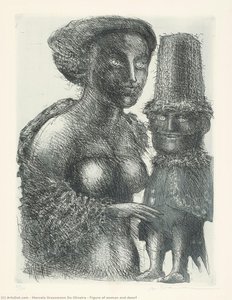
تُعد Cavalo morto (1944) اللوحة الأكثر جذباً للأنظار للفنان Marcelo Grassmann؛ والنسخة الأصلية محفوظة في Centro Cultural São Paulo، ساو باولو. بعد ذلك، تتجه العين إلى Figure of woman and dwarf و Cavalos (1944). من بين 7 من أعمال Marcelo Grassmann في كتالوجنا، تُعد هذه 7 الأعمال هي الأكثر شهرة، حيث تُعرض كل واحدة منها كعمل أصلي فريد مع سنة إنتاجها، والمتحف الذي تضمّه، والسبب وراء خلودها.

1925 – 2013, Sao Joao do Rio Preto Surrealism أكبر مجموعة أعمال: Museu de Valores do Banco Central do Brasil

أفضل 10 لوحات لـ Marcelo Grassmann، بعيون المعرض

1
Cavalo morto (1944) للفنان Marcelo Grassmann

Cavalo morto

1944 · Drawing · Centro Cultural São Paulo, ساو باولو

In the hauntingly beautiful drawing Cavalo morto, created in 1944, the Brazilian master Marcelo Grassmann de Oliveira invites us into a profound meditation on the cycle of life and the inevitability of decay. This striking black and white work captures a lifeless horse resting upon the earth, its emaciated form rendered with a precision that transcends mere anatomical study. The composition is anchored by the heavy, stillness of the subject,…

5
Cavalos (1944) للفنان Marcelo Grassmann

Cavalos

1944 · Acrylic On Canvas · Centro Cultural São Paulo, ساو باولو

Marcelo Grassmann de Oliveira’s “Cavalos” (1944) stands as a testament to Brazilian Expressionism, capturing not merely an image of a horse in motion but a visceral embodiment of energy, struggle, and primal instinct. Executed in monochrome ink or charcoal on paper—a deliberate choice that amplifies the artwork's textural qualities—the drawing immediately draws the viewer into its turbulent landscape.

6
Blue warrior and spear للفنان Marcelo Grassmann

Blue warrior and spear

Painting · Museu de Valores do Banco Central do Brasil, برازيليا

In the evocative realm of Marcelo Grassmann de Oliveira, the boundaries between reality and dream dissolve into a singular, striking vision. Blue Warrior and Spear serves as a profound testament to the artist's ability to conjure mythic figures from the depths of the subconscious. The painting presents a solitary figure, draped in shades of cerule respect and deep azure, poised with a spear that acts as both a weapon and…

المواضيع التي استأثرت باهتمام Marcelo Grassmann

المواضيع الأربعة التي تتكرر باستمرار في هذه الأعمال الأصلية، مع تقديم أروع مثال لكل منها.

المتاحف التي تحتفظ بالأعمال الأصلية لـ Marcelo Grassmann

المتاحف 2 التي تضم أكبر عدد من اللوحات الموجودة في هذه الصفحة.

المتحف المدينة أعمال Marcelo Grassmann لوحات من هذه القائمة
Museu de Valores do Banco Central do Brasil, برازيلياMuseu de Valores do Banco Central do Brasil برازيليا 4 Figure of woman and dwarf, Horses, Blue warrior and spear
Centro Cultural São Paulo, ساو باولوCentro Cultural São Paulo ساو باولو 3 Cavalo morto, Cavalos, Cavalos

Marcelo Grassmann عبر السنين: الأعمال الأصلية الفريدة لكل منها

تتراوح الأعمال الأصلية المؤرخة لـ Marcelo Grassmann والمعروضة هنا ضمن فترة عشر سنوات تقريباً، من 1944 إلى 1954؛ حيث تتبعها العين عاماً بعد عام.

الأعمال حسب السنة

اختر سنة لعرض أعمالها الأصلية.

لوحات Marcelo Grassmann: أسئلة حول المعرض

ما هو العمل الأكثر شهرة لـ Marcelo Grassmann؟اكتشف الإجابة

Cavalo morto (1944)، Centro Cultural São Paulo, ساو باولو. ويليها Figure of woman and dwarf وCavalos (1944).

في أي عمر أبدع Marcelo Grassmann عمل Cavalo morto؟اكتشف الإجابة

عمر 19 عاماً: يعود تاريخ Cavalo morto إلى 1944، وقد وُلد Marcelo Grassmann في 1925.

كم عدد الأعمال المعروفة لـ Marcelo Grassmann؟اكتشف الإجابة

يضم كتالوجنا 7 من أعمال Marcelo Grassmann، التي يعود تاريخها من 1944 إلى 1954.

أين يمكن مشاهدة الأعمال الأصلية الأكثر شهرة لـ Marcelo Grassmann؟اكتشف الإجابة

توجد غالبيتها في Museu de Valores do Banco Central do Brasil (برازيليا) و Centro Cultural São Paulo (ساو باولو). يدرج جدول المتاحف أعلاه جميعها.

في أي فترة زمنية أبدع Marcelo Grassmann أشهر لوحاته؟اكتشف الإجابة

في 1944: تم إنجاز 3 من أصل 7 من الأعمال في هذه الصفحة خلال تلك الفترة، من بينها Cavalo morto.

ما هي أقدم لوحة فنية للفنان Marcelo Grassmann، وما هي أحدثها؟اكتشف الإجابة

في هذه الصفحة، أقدم الأعمال يعود إلى Cavalo morto (1944) وأحدثها يعود إلى Horses (1954).

ما هي الموضوعات التي كان Marcelo Grassmann يفضلها؟اكتشف الإجابة

Dreamlike (4) و Horses (2)، عبر 7 من الأعمال في هذه الصفحة.

ما هي المواد التي استخدمها Marcelo Grassmann في الرسم أكثر من غيرها؟اكتشف الإجابة

Drawing، لـ 3 من أصل 7 من الأعمال في هذه الصفحة.

إلى أي مدرسة فنية ينتمي عمل Marcelo Grassmann؟اكتشف الإجابة

Surrealism، بناءً على الأعمال الأصلية في هذه الصفحة.

ما هي الأعمال الأصلية لـ Marcelo Grassmann التي يمكنني رؤيتها في Museu de Valores do Banco Central do Brasil؟اكتشف الإجابة

Figure of woman and dwarf, Horses و Blue warrior and spear: يضم Museu de Valores do Banco Central do Brasil, برازيليا 4 من الأعمال المعروضة في هذه الصفحة.

Marcelo Grassmann: صورة شخصية للفنان

Marcelo Grassmann de Oliveira: A Life in Engraving and Drawing

  • Born: September 23, 1925, São João do Rio Preto, Brazil
  • Died: June 21, 2013
  • Nationality: Brazilian
  • Known For: Engravings, Drawings, Metal Engraving, Wood Engraving

Early Life and Artistic Development

  • Initially pursued sculpture before discovering his passion for engraving in the 1940s.
  • Transitioned from wood engraving to metal engraving in the 1950s, marking a significant shift in his artistic practice.
  • Influenced by Austrian artist Alfred Kubin and prominent Brazilian engravers Oswaldo Goeldi and Livio Abramo. These influences shaped his early style and thematic concerns.
  • Developed a distinctive visual language characterized by dreamlike imagery and recurring motifs such as knights, maidens, death, horses, and crabs – often imbued with symbolic meaning.

Artistic Style and Major Themes

  • Dreamlike Imagery: Grassmann's work is renowned for its surreal and evocative atmosphere, transporting viewers to fantastical realms.
  • Recurring Motifs: The consistent presence of knights, maidens, death, horses, and crabs suggests a fascination with themes of mortality, chivalry, mythology, and the subconscious.
  • Technical Mastery: His engravings demonstrate exceptional technical skill, showcasing intricate detail and precise linework.
  • Symbolism: The figures and scenes in his work are often laden with symbolic meaning, inviting multiple interpretations.
  • Exploration of the Human Condition: Through his fantastical imagery, Grassmann explored universal themes of life, death, love, loss, and the search for meaning.

Recognition and Achievements

  • International Awards: Received numerous prestigious awards throughout his career, including first prizes at the I Salon of Modern Art of Rio de Janeiro (1953), the III Biennale of São Paulo (1955), and the XXXI Biennale of Venice (1958) for sacred art.
  • Exhibitions: Participated in significant international exhibitions, including the III Biennale for Graphic Arts in Florence (1972).
  • Museum Collections: His works are held in prominent museum collections worldwide, including the Museum of Modern Art (MoMA) in New York, the Bibliothèque Nationale in Paris, the Museum of Fine Arts in Dallas, and the Pinacoteca do Estado in São Paulo.

Legacy and Historical Significance

  • Unique Contribution to Brazilian Art: Grassmann made a significant contribution to Brazilian art through his innovative approach to engraving and draughtsmanship.
  • Influence on Subsequent Artists: His unique style and technical skill have inspired generations of artists in Brazil and beyond.
  • Preservation of Cultural Heritage: His works serve as valuable documents of Brazilian culture and artistic expression, offering insights into the country's history and identity.
  • Enduring Appeal: Grassmann’s art continues to resonate with audiences today due to its timeless themes, captivating imagery, and exceptional craftsmanship.