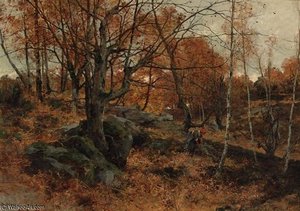
بورتريه لـ ليون جيرمان بيلوز

أشهر 39 لوحات لـ ليون جيرمان بيلوز، كل واحدة منها فريدة من نوعها

تحديث نوفمبر 2026 · مُرتبة حسب مؤشر شعبيتنا (عمليات البحث، والزيارات، والطلبات لكل عمل فني) · 39 أعمال لـ ليون جيرمان بيلوز في كتالوجنا

باختصار

تُعد Tronoan Calvary اللوحة الأكثر جذباً للأنظار للفنان ليون جيرمان بيلوز. بعد ذلك، تتجه العين إلى The Path To Rustéphan و Fagoteurs À Fontainebleau. من بين 39 من أعمال ليون جيرمان بيلوز في كتالوجنا، تُعد هذه 39 الأعمال هي الأكثر شهرة، حيث تُعرض كل واحدة منها كعمل أصلي فريد مع سنة إنتاجها، والمتحف الذي تضمّه، والسبب وراء خلودها.

1838 – 1891, بيرفورت Impressionism أكبر مجموعة أعمال: المتحف الوطني للفن والعمارة والتصميم

أفضل 10 لوحات لـ ليون جيرمان بيلوز، بعيون المعرض

1
Tronoan Calvary للفنان ليون جيرمان بيلوز

Tronoan Calvary

Oil

Tronoan Calvary is a landscape painting by Leon Germain Pelouse. Born in 1838, the French artist spent much of his career capturing the atmospheric nuances of the natural world. His work often focused on the specificities of the Breton region and the French countryside, moving away from the grand historical narratives favored by many of his contemporaries.

2
The Path To Rustéphan للفنان ليون جيرمان بيلوز

The Path To Rustéphan

Oil On Canvas

The Path To Rustéphan by Leon Germain Pelouse presents a forest scene characterized by dense vegetation. In the foreground, trees and bushes occupy the lower portion of the canvas. Several rocks are scattered throughout the terrain, interspersed among the greenery. The landscape is populated by two people; one figure is positioned near the center of the composition, while the second figure is located toward the right side of the scene.

لوحات ليون جيرمان بيلوز الشهيرة، من رقم 11 إلى 39

المواضيع التي استأثرت باهتمام ليون جيرمان بيلوز

المواضيع الأربعة التي تتكرر باستمرار في هذه الأعمال الأصلية، مع تقديم أروع مثال لكل منها.

المتاحف التي تحتفظ بالأعمال الأصلية لـ ليون جيرمان بيلوز

المتاحف الـ 6 التي تضم أكبر عدد من اللوحات الموجودة في هذه الصفحة.

المتحف المدينة أعمال ليون جيرمان بيلوز لوحات من هذه القائمة
المتحف الوطني للفن والعمارة والتصميم, أوسلوالمتحف الوطني للفن والعمارة والتصميم أوسلو 2 Landscape, Landskap
Musée des Beaux-Arts, كاركسونMusée des Beaux-Arts كاركسون 2 Grandcamp at low tide, A Farm in the Woods
مجموعات بافاريا الحكومية للرسم, ميونخمجموعات بافاريا الحكومية للرسم ميونخ 1 Walnut Trees
Museum of Fine Arts Ghent (MSK), غنتMuseum of Fine Arts Ghent (MSK) غنت 1 Landscape near Saint-Jean-le-Thomas (Normandy)
Musée des Beaux-Arts de Quimper, كمبيرMusée des Beaux-Arts de Quimper كمبير 1 The Path of Rustéphan to Pont-Aven
متحف المتروبوليتان للفنون, نيويوركمتحف المتروبوليتان للفنون نيويورك 1 January: Cernay, near Rambouillet

ليون جيرمان بيلوز عبر السنين: الأعمال الأصلية الفريدة لكل منها

تتراوح الأعمال الأصلية المؤرخة لـ ليون جيرمان بيلوز والمعروضة هنا ضمن فترة عشر سنوات تقريباً، من 1875 إلى 1885؛ حيث تتبعها العين عاماً بعد عام.

الأعمال حسب السنة

اختر سنة لعرض أعمالها الأصلية.

لوحات ليون جيرمان بيلوز: أسئلة حول المعرض

ما هو العمل الأكثر شهرة لـ ليون جيرمان بيلوز؟اكتشف الإجابة

Tronoan Calvary. يليه The Path To Rustéphan و Fagoteurs À Fontainebleau.

ما هي أشهر عشر لوحات للفنان ليون جيرمان بيلوز؟اكتشف الإجابة

Tronoan Calvary, The Path To Rustéphan, Fagoteurs À Fontainebleau, Landscape, Walnut Trees, Landscape near Saint-Jean-le-Thomas (Normandy), Grandcamp at low tide, The Path of Rustéphan to Pont-Aven, René’s Farewell to his Sister و Summer Fields Above Calais. يوضح التصنيف أعلاه سنة كل لوحة والمتحف التابعة له.

كم عدد الأعمال المعروفة لـ ليون جيرمان بيلوز؟اكتشف الإجابة

يضم كتالوجنا 39 من أعمال ليون جيرمان بيلوز، التي يعود تاريخها من 1875 إلى 1885.

أين يمكن مشاهدة الأعمال الأصلية الأكثر شهرة لـ ليون جيرمان بيلوز؟اكتشف الإجابة

توجد غالبيتها في المتحف الوطني للفن والعمارة والتصميم (أوسلو), Musée des Beaux-Arts (كاركسون) و مجموعات بافاريا الحكومية للرسم (ميونخ). يدرج جدول المتاحف أعلاه جميعها.

في أي فترة زمنية أبدع ليون جيرمان بيلوز أشهر لوحاته؟اكتشف الإجابة

في 1885: تم إنجاز 2 من أصل 39 من الأعمال في هذه الصفحة خلال تلك الفترة، من بينها Walnut Trees.

ما هي أقدم لوحة فنية للفنان ليون جيرمان بيلوز، وما هي أحدثها؟اكتشف الإجابة

في هذه الصفحة، أقدم الأعمال يعود إلى Landscape (1875) وأحدثها يعود إلى Walnut Trees (1885).

ما هي الموضوعات التي كان ليون جيرمان بيلوز يفضلها؟اكتشف الإجابة

Landscape (3), Trees (2) و Forest (2)، عبر 39 من الأعمال في هذه الصفحة.

إلى أي مدرسة فنية ينتمي عمل ليون جيرمان بيلوز؟اكتشف الإجابة

Impressionism، بناءً على الأعمال الأصلية في هذه الصفحة.

ما هي الأعمال الأصلية لـ ليون جيرمان بيلوز التي يمكنني رؤيتها في المتحف الوطني للفن والعمارة والتصميم؟اكتشف الإجابة

Landscape و Landskap: يضم المتحف الوطني للفن والعمارة والتصميم, أوسلو 2 من الأعمال المعروضة في هذه الصفحة.

ليون جيرمان بيلوز: صورة شخصية للفنان

Leon Germain Pelouse: A Breton Visionary

Leon Germain Pelouse (1838 – 1891) emerged from the quiet French countryside, specifically Pierrefort, Val-d'Oise, as a self-taught artist who defied convention and captivated audiences with his evocative depictions of Brittany’s landscapes. Unlike many artists of his era pursuing grand narratives or historical subjects, Pelouse dedicated himself to capturing the subtle beauty of the Breton region—the meandering Seine River at Poses, the tranquil riverside villages bathed in twilight – transforming them into canvases brimming with atmospheric depth and textural richness.
  • Early Life & Artistic Beginnings: Born in 1838, Pelouse’s artistic journey began unexpectedly. Initially employed as a traveling salesman, he honed his observational skills before discovering painting at the age of sixteen. His military service during the Franco-Prussian War provided him with formative experiences that undoubtedly shaped his worldview and fueled his passion for portraying the natural world.
  • Salon Debut & Critical Reception: Pelouse’s artistic ambitions solidified when he began professional painting at twenty-seven, marking his debut at the Salon de Paris in 1865. Despite facing considerable criticism regarding his style—characterized by a loose brushwork and muted palette—he persevered, driven by an unwavering belief in his vision.
  • Breton Inspiration & Landscape Painting: Moving to Brittany around 1870, Pelouse found fertile ground for artistic expression. The region’s dramatic coastline, rolling hills, and misty valleys served as a constant source of inspiration, resulting in a prolific output of landscape paintings that quickly gained recognition. His meticulous attention to detail—particularly the interplay of light and shadow—established him as a prominent figure within the Barbizon School movement.
  • Recognition & Patronage: Pelouse’s dedication was rewarded with acclaim from fellow artists and critics alike, culminating in a prestigious medal awarded for “Vallée de Cernay” in 1873. Notably, the French government recognized his talent by purchasing numerous canvases—now housed in institutions such as Orsay, Malraux Museum and Nantes Art Museum—solidifying his legacy as one of Brittany’s most celebrated painters.
  • Legacy & Influence: Pelouse's work embodies a profound connection to nature and reflects the Impressionist influence on French art. His landscapes continue to inspire admiration for their serene beauty and masterful technique, demonstrating the enduring power of observation and artistic sensitivity. He remains an important artist in the history of Breton Art.

Notable Works & Artistic Style

Pelouse’s oeuvre includes masterpieces such as “La Seine à Poses,” “Riverside Village At Dusk” and “Landscape With Storm Clouds.” His distinctive style prioritized capturing fleeting moments of light and atmosphere, utilizing loose brushstrokes and subtle color harmonies to convey the essence of his subjects. He skillfully employed textured surfaces—often achieved through impasto—to imbue his canvases with palpable physicality and emotional resonance. The artist’s meticulous rendering of natural elements—particularly clouds and foliage—demonstrates a deep understanding of artistic principles rooted in observation and sensitivity.

Connections & Influences

Pelouse's artistic sensibilities were undoubtedly shaped by the Barbizon School, which championed plein air painting and emphasized realism as a means of conveying the grandeur of the French countryside. Furthermore, he benefited from collaborations with fellow artists like Albert Gabriel Rigolot, who mentored him and fostered his artistic development. His work reflects an interest in Orientalist themes—particularly landscapes inspired by Morocco—demonstrating the broader artistic currents circulating throughout Europe during the late 19th century.

Museum Collections

Pelouse’s paintings are proudly displayed in several prominent French museums, including Musée d'Orsay and Musée Malraux, showcasing his contribution to the nation’s artistic heritage. These institutions offer visitors a chance to experience firsthand the beauty and emotional depth of Pelouse’s landscapes—a testament to his enduring influence on Breton art and Impressionist painting.