بورتريه لـ Joseph Stannard

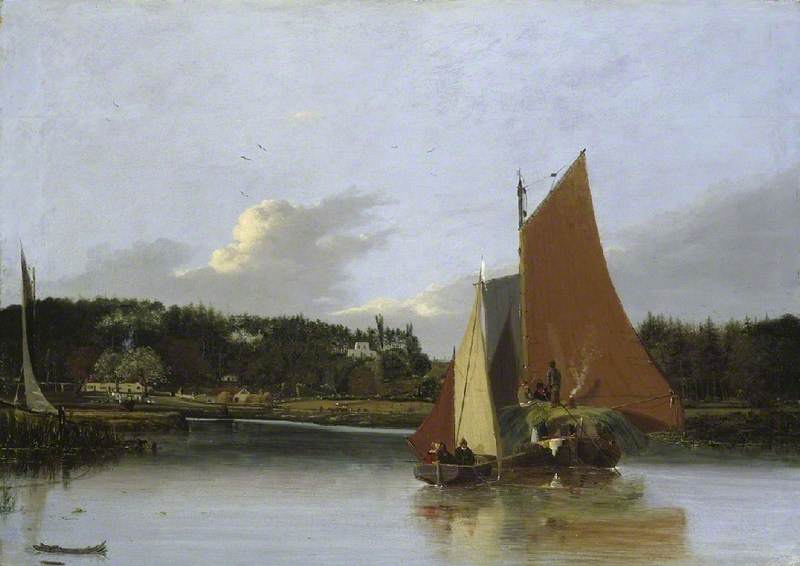
أشهر 17 لوحات لـ Joseph Stannard، مختارات من المعرض

تحديث نوفمبر 2026 · مُرتبة حسب مؤشر شعبيتنا (عمليات البحث، والزيارات، والطلبات لكل عمل فني) · 17 أعمال لـ Joseph Stannard في كتالوجنا

باختصار

من بين جميع الأعمال الأصلية التي تركها Joseph Stannard، تُعد Thorpe Water Frolic, Afternoon (1824) هي الأكثر شهرة. تأتي بعدهما مباشرة كل من Buckenham Ferry, on the River Yare, Norfolk (1826) و Fishing Smack and Other Vessels in a Strong Breeze (1830). يضم كتالوجنا 17 من أعمال Joseph Stannard؛ حيث احتفظ المعرض بـ 17 من أكثر الأعمال التي يعجب بها العالم، مع عرض كل منها مع تاريخها ومتحفها وقصتها.

1797 – 1830, Norwich أكبر مجموعة أعمال: Yale Center for British Art

أفضل 10 لوحات لـ Joseph Stannard: مختارات المعرض

1
Thorpe Water Frolic, Afternoon (1824) للفنان Joseph Stannard

Thorpe Water Frolic, Afternoon

1824 · Oil On Canvas

The canvas depicts a wide expanse of water filled with various vessels during a daytime event. Several sailboats of different sizes and designs occupy the midground and background, while others sit closer to the shoreline. Small figures are positioned on these boats and along the water's edge, engaged in sailing or observing the scene. The composition captures a moment of leisure, with the movement of the boats and the presence…

تستمر مجموعة Joseph Stannard، من 11 إلى 17

المتاحف التي تحتفظ بالأعمال الأصلية لـ Joseph Stannard

المتاحف الـ 3 التي تضم أكبر عدد من اللوحات الموجودة في هذه الصفحة.

المتحف المدينة أعمال Joseph Stannard لوحات من هذه القائمة
Yale Center for British Art, نيو هيفنYale Center for British Art نيو هيفن 2 Buckenham Ferry, on the River Yare, Norfolk, Fishing Smack and Other Vessels in a Strong Breeze
National Trust, كامبريدجNational Trust كامبريدج 2 A Fisherboy with Lobster Pots by the Sea, A Ferry Boat with Cattle
متحف فيتزويليام, Cambridgeمتحف فيتزويليام Cambridge 1 Boats on the Yare near Bramerton, Norfolk

Joseph Stannard عاماً بعد عام: الأعمال الأصلية التي تميز كل عام

تغطي أعمال Joseph Stannard المؤرخة في هذه المجموعة 7 سنوات فقط، من 1824 إلى 1830: مسيرة مهنية وجيزة، معروضة هنا عاماً بعد عام.

الأعمال حسب السنة

اختر سنة لعرض أعمالها الأصلية.

أسئلة المقتنين حول لوحات Joseph Stannard

ما هو العمل الأكثر شهرة لـ Joseph Stannard؟اكتشف الإجابة

Thorpe Water Frolic, Afternoon (1824). يليه Buckenham Ferry, on the River Yare, Norfolk (1826) و Fishing Smack and Other Vessels in a Strong Breeze (1830).

كم كان عمر Joseph Stannard عندما تم إنجاز Thorpe Water Frolic, Afternoon؟اكتشف الإجابة

عمر 27 عاماً: يعود تاريخ Thorpe Water Frolic, Afternoon إلى 1824، وقد وُلد Joseph Stannard في 1797.

ما هي أشهر عشر لوحات لـ Joseph Stannard؟اكتشف الإجابة

Thorpe Water Frolic, Afternoon, Buckenham Ferry, on the River Yare, Norfolk, Fishing Smack and Other Vessels in a Strong Breeze, Yarmouth Beach and Jetty, Norfolk, Yarmouth Sands, Norfolk, Boats on the Yare near Bramerton, Norfolk, Yarmouth Jetty, Norfolk, Tetley Water, Fishing Boats in a Rough Sea و A Fisherboy with Lobster Pots by the Sea. يوضح التصنيف أعلاه سنة كل لوحة والمتحف التابعة له.

كم عدد اللوحات التي تركها Joseph Stannard؟اكتشف الإجابة

يضم كتالوجنا 17 من أعمال Joseph Stannard، التي يعود تاريخها من 1824 إلى 1830.

في أي متاحف تُعرض روائع Joseph Stannard؟اكتشف الإجابة

توجد غالبيتها في Yale Center for British Art (نيو هيفن), National Trust (كامبريدج) و متحف فيتزويليام (Cambridge). يدرج جدول المتاحف أعلاه جميعها.

في أي سنوات رسم Joseph Stannard أشهر أعماله؟اكتشف الإجابة

في 1828: تم إنجاز 2 من أصل 17 من الأعمال في هذه الصفحة خلال تلك الفترة، من بينها Yarmouth Beach and Jetty, Norfolk.

ما هي أول وآخر الأعمال الأصلية الشهيرة لـ Joseph Stannard؟اكتشف الإجابة

في هذه الصفحة، أقدم الأعمال يعود إلى Thorpe Water Frolic, Afternoon (1824) وأحدثها يعود إلى Fishing Smack and Other Vessels in a Strong Breeze (1830).

ما هي أعمال Joseph Stannard المعروضة في Yale Center for British Art؟اكتشف الإجابة

Buckenham Ferry, on the River Yare, Norfolk و Fishing Smack and Other Vessels in a Strong Breeze: يضم Yale Center for British Art, نيو هيفن 2 من الأعمال المعروضة في هذه الصفحة.

Joseph Stannard: حياته وأعماله

A Norfolk Master of Light and Landscape

Joseph Stannard (1797–1830) stands as a remarkable figure within the Norwich School of Painters, an artistic movement that flourished in Norfolk during the early Victorian era. Born in Norwich on September 13th, 1797, his formative years were shaped by the tutelage of John Crome—a celebrated landscape artist himself—who recognized Stannard’s prodigious talent and secured him a place at Norwich Grammar School. Despite facing financial constraints that necessitated a shift to Robert Ladbrooke as instructor, Stannard's artistic journey quickly gained momentum, establishing him as a prominent voice within the burgeoning Norfolk art scene.

From his debut exhibition in 1811 at the Norwich Society of Artists—a young boy showcasing remarkable skill—Stannost’s work garnered positive reviews in publications like The Norwich Mercury, cementing his reputation as a gifted artist. Demonstrating both ambition and artistic conviction, Stannard eventually severed ties with the Norwich Society of Artists in 1816 to forge ahead with a rival organization. This bold decision underscored his desire to pursue independent artistic endeavors and navigate the competitive landscape of the nineteenth-century British art world.

The Influence of the Dutch Masters

Stannard’s stylistic evolution was profoundly influenced by the profound legacies of the Dutch masters. During a transformative trip to Holland in 1821, he meticulously studied the works of legends such as Rembrandt and Vermeer. These encounters instilled within him a deep appreciation for chiaroscuro, atmospheric perspective, and the careful rendering of light and shadow—techniques that would become the unmistakable hallmarks of his oeuvre. By blending the local charm of English scenery with the dramatic lighting traditions of the Netherlands, he created a visual language that was both intimate and grand.

His mastery is perhaps most vividly realized in his ability to capture the ephemeral qualities of nature. Whether depicting the rugged coastline or the tranquil riverbanks of Norfolk, Stannard utilized light not merely as an illumination, but as a narrative tool to evoke emotion. His work often features:

  • Atmospheric Perspective: A technique used to create depth and a sense of vastness in his coastal and marine scenes.
  • Chiaroscuro: The dramatic interplay between light and dark that lends a sculptural quality to his subjects.
  • Realistic Detail: An exacting devotion to the textures of water, sand, and sky, particularly evident in works like Yarmouth Sands, Norfolk.

Legacy and Artistic Achievement

The zenith of Stannard's career is epitomized by his magnum opus, “Thorpe Water Frolic,” completed in 1825. This painting captures the serene beauty of Thorpe Waters with breathtaking realism, conveying a palpable sense of tranquility through its balanced and harmonious composition. It remains one of the most celebrated examples of his ability to transform a local landscape into a timeless piece of art. Beyond his landscapes, Stannard was also a skilled marine and portrait painter, capable of capturing the rugged vitality of maritime life and the dignified presence of his subjects.

Though his life was tragically short, ending in 1830, the impact of Joseph Stannard remains etched in the history of British art. He helped elevate the Norwich School from a provincial movement to a significant contributor to the national landscape tradition. His ability to marry the ruggedness of the English coast with the sophisticated light-play of the Dutch masters ensures that his name continues to resonate with anyone seeking the true essence of the Norfolk spirit.