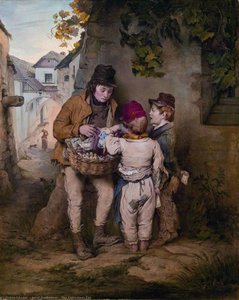
بورتريه لـ جوزيف دانزر

أشهر 42 لوحات لـ جوزيف دانزر، مختارات من المعرض

تحديث نوفمبر 2026 · مُرتبة حسب مؤشر شعبيتنا (عمليات البحث، والزيارات، والطلبات لكل عمل فني) · 43 أعمال لـ جوزيف دانزر في كتالوجنا

باختصار

من بين جميع الأعمال الأصلية التي تركها جوزيف دانزر، تُعد Liszt Fantasizing at the Piano هي الأكثر شهرة. تأتي بعدهما مباشرة كل من The Scholars' Room (1842) و Portrait of the Piano-Manufcturer Konrad Graf (1840). يضم كتالوجنا 43 من أعمال جوزيف دانزر؛ حيث احتفظ المعرض بـ 42 من أكثر الأعمال التي يعجب بها العالم، مع عرض كل منها مع تاريخها ومتحفها وقصتها.

1805 – 1845, فيينا Biedermeier أكبر مجموعة أعمال: المتحف النمساوي بيليفيري

أفضل 10 لوحات لـ جوزيف دانزر: مختارات المعرض

1
Liszt Fantasizing at the Piano للفنان جوزيف دانزر

Liszt Fantasizing at the Piano

Oil On Panel

In the heart of 19th-century Vienna, where the air was often thick with the scent of coffee and the echoes of burgeoning Romanticism, Josef Franz Danhauser captured a moment of pure, unadulterated musical transcendence. His masterpiece, Liszt Fantasizing at the Piano, is far more than a mere depiction of a social gathering; it is a window into a vanished era of elegance and artistic fervor. As we gaze upon the…

2
The Scholars' Room (1842) للفنان جوزيف دانزر

The Scholars' Room

1842 · Painting · المتحف النمساوي بيليفيري, فيينا

The scene captured in this evocative depiction, "The Scholars' Room," invites the viewer into an intimate moment suspended outside the rush of time. It is a tableau vivant of intellectual pursuit, where the weight of accumulated knowledge seems to mingle with the gentle murmur of conversation. One cannot help but feel the palpable atmosphere of deep contemplation emanating from the gathering. The composition centers around a table laden not just…

3
Portrait of the Piano-Manufcturer Konrad Graf (1840) للفنان جوزيف دانزر

Portrait of the Piano-Manufcturer Konrad Graf

1840 · Academy of Fine Arts Vienna, فيينا

The artwork is titled Portrait of the Piano-Manufcturer Konrad Graf. It was painted by the artist Josef Danhauser. The subject of this oil painting is Konrad Graf, a man who was one of Vienna's most outstanding piano-manufacturers during the early nineteenth century. This portrait was commissioned by Graf in 1840, a year when he acted as a patron to contemporary artists such as Josef Danhauser.

4
Wallstein's Grave (1828) للفنان جوزيف دانزر

Wallstein's Grave

1828 · Oil On Canvas

In Wallstein's Grave, Josef Danhauser captures a moment of profound stillness following the chaos of conflict. The scene unfolds in a pastoral landscape where the weight of tragedy hangs heavy in the air. A fallen soldier lies prone in the foreground, his white, shroud-like clothing stark against the earthy tones of the terrain. Over him, a chestnut horse stands in a posture of quiet mourning, nudging the fallen man in…

5
The Sleeping Painter in the Studio (1830) للفنان جوزيف دانزر

The Sleeping Painter in the Studio

1830 · Oil On Canvas

Created in 1830, this piece reflects the Biedermeier spirit through its focus on the beauty of the everyday and the quietude of domestic or private life. It moves away from the grandiosity of historical portraiture to find meaning in a simple, unposed moment. The painting avoids the theatrical, opting instead for a realistic approach that captures the subtle nuances of human existence. There is a certain gravity in this repose,…

6
Funny Scene in the Studio (1829) للفنان جوزيف دانزر

Funny Scene in the Studio

1829 · Oil On Canvas

The scene unfolds within the chaotic confines of an artist's workspace in Funny Scene in the Studio. Painted by Josef Danhauser, this oil on canvas captures a sudden, humorous mishap that disrupts the quiet order of the room. A person, a dog, and a large easel find themselves caught in a moment of unexpected disorder, freezing a split second of comedy in time. The energy of the accident ripples through…

7
Self-portrait (1830) للفنان جوزيف دانزر

Self-portrait

1830 · Oil On Canvas

A young man is captured in a three-quarter view, his gaze directed toward the viewer with a composed, steady expression. The portrait, rendered in a realistic academic style, emphasizes the quiet refinement of the Biedermeier era. Light enters from the upper left, casting soft shadows across the contours of the face and creating a sense of three-dimensional form through a controlled chiaroscuro effect. The subject is positioned against a dark,…

8
Portrait of a Young Woman (1830) للفنان جوزيف دانزر

Portrait of a Young Woman

1830 · Oil On Canvas

The portrait painting titled 'Portrait of a Young Woman' was created by the artist Josef Danhauser. This work dates to 1830. The subject is presented in a bust-length composition, positioned centrally within the frame. The figure faces slightly toward the viewer's left, while the gaze is directed forward toward the observer.

9
Poor (young) Painter in a Cottage Studio (1831) للفنان جوزيف دانزر

Poor (young) Painter in a Cottage Studio

1831 · Oil

In Poor (young) Painter in a Cottage Studio, Josef Danhauser presents a melancholic and intimate monochrome scene set within a cluttered, dimly lit attic studio. The composition centers on the seated figure of the painter, positioned slightly off-center amidst the remnants of his craft. A grayscale palette defines the space, utilizing a wide range of tones from deep blacks in the shadows to bright whites where light enters through a…

10
Portrait of a Woman (1836) للفنان جوزيف دانزر

Portrait of a Woman

1836 · Oil On Canvas

This oil on canvas painting, titled Portrait of a Woman, was executed by the Austrian artist Josef Danhauser in 1836. It is a quiet study of a female subject, presented in a profile view that emphasizes the stillness of the moment. The work belongs to the genre of portraiture, capturing a specific presence through the careful application of pigment on the canvas.

تستمر مجموعة جوزيف دانزر، من 11 إلى 42

لوحات جوزيف دانزر الشهيرة، حسب الفترات الزمنية

المواضيع التي استأثرت باهتمام جوزيف دانزر

المواضيع الأربعة التي تتكرر باستمرار في هذه الأعمال الأصلية، مع تقديم أروع مثال لكل منها.

المتاحف التي تحتفظ بالأعمال الأصلية لـ جوزيف دانزر

المتاحف الـ 6 التي تضم أكبر عدد من اللوحات الموجودة في هذه الصفحة.

المتحف المدينة أعمال جوزيف دانزر لوحات من هذه القائمة
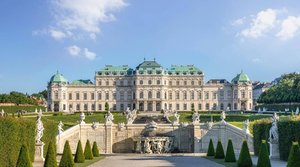
المتحف النمساوي بيليفيري, فييناالمتحف النمساوي بيليفيري فيينا 2 The Scholars' Room, Mother Love (also known as Mutterliebe)
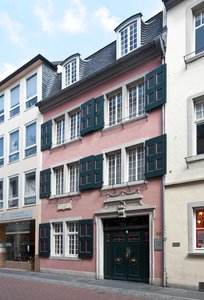
Beethoven-Haus Bonn, بونBeethoven-Haus Bonn بون 2 Beethoven, بيتهوفن
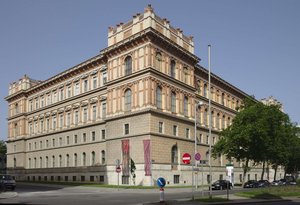
Academy of Fine Arts Vienna, فييناAcademy of Fine Arts Vienna فيينا 1 Portrait of the Piano-Manufcturer Konrad Graf
متحف الفنون الجميلة, بودابستمتحف الفنون الجميلة بودابست 1 Siesta (The Sleepers)
Residenzgalerie, سالزبورغResidenzgalerie سالزبورغ 1 The Widow's Offering
Alte Nationalgalerie, برلينAlte Nationalgalerie برلين 1 Liszt at the Piano

جوزيف دانزر عقداً بعد عقد: الأعمال الأصلية التي ميزت كل حقبة

الأعمال حسب العقد

اختر عقداً لتشاهد العمل الأصلي الذي يجسده.

أسئلة المقتنين حول لوحات جوزيف دانزر

ما هو العمل الأكثر شهرة لـ جوزيف دانزر؟اكتشف الإجابة

Liszt Fantasizing at the Piano. يليه The Scholars' Room (1842) و Portrait of the Piano-Manufcturer Konrad Graf (1840).

ما هي أشهر عشر لوحات لـ جوزيف دانزر؟اكتشف الإجابة

Liszt Fantasizing at the Piano, The Scholars' Room, Portrait of the Piano-Manufcturer Konrad Graf, Wallstein's Grave, The Sleeping Painter in the Studio, Funny Scene in the Studio, Self-portrait, Portrait of a Young Woman, Poor (young) Painter in a Cottage Studio و Portrait of a Woman. يوضح التصنيف أعلاه سنة كل لوحة والمتحف التابعة له.

كم عدد اللوحات التي تركها جوزيف دانزر؟اكتشف الإجابة

يضم كتالوجنا 43 من أعمال جوزيف دانزر، التي يعود تاريخها من 1827 إلى 1844.

في أي متاحف تُعرض روائع جوزيف دانزر؟اكتشف الإجابة

توجد غالبيتها في المتحف النمساوي بيليفيري (فيينا), Beethoven-Haus Bonn (بون) و Academy of Fine Arts Vienna (فيينا). يدرج جدول المتاحف أعلاه جميعها.

في أي سنوات رسم جوزيف دانزر أشهر أعماله؟اكتشف الإجابة

في 1830s: تم إنجاز 14 من أصل 42 من الأعمال في هذه الصفحة خلال تلك الفترة، من بينها The Sleeping Painter in the Studio.

ما هي أول وآخر الأعمال الأصلية الشهيرة لـ جوزيف دانزر؟اكتشف الإجابة

في هذه الصفحة، أقدم الأعمال يعود إلى بيتهوفن (1827) وأحدثها يعود إلى Social Scene (1844).

ما هي المواضيع التي اختارها جوزيف دانزر بشكل متكرر؟اكتشف الإجابة

Man (10), Woman (8) و People (6)، عبر 42 من الأعمال في هذه الصفحة.

ما هي التقنية التي استخدمها جوزيف دانزر بشكل أكبر؟اكتشف الإجابة

Oil On Canvas، لـ 10 من أصل 42 من الأعمال في هذه الصفحة.

إلى أي حركة فنية ينتمي جوزيف دانزر؟اكتشف الإجابة

Biedermeier، بناءً على الأعمال الأصلية في هذه الصفحة.

ما هي أعمال جوزيف دانزر المعروضة في المتحف النمساوي بيليفيري؟اكتشف الإجابة

The Scholars' Room و Mother Love (also known as Mutterliebe): يضم المتحف النمساوي بيليفيري, فيينا 2 من الأعمال المعروضة في هذه الصفحة.

جوزيف دانزر: حياته وأعماله

حياة تجسدت في روح عصر "بيدرماير"

في قلب فيينا، بزغ نجم جوزيف دانزر كشخصية بارزة في الإمبراطورية النمساوية، تاركاً وراءه إرثاً يعكس بعمق جوهر عصر بيدرماير. وبصفته ابن نحات وصانع أثاث، جوزيف أولريش دانزر، فقد نمت مواهبه الفنية المبكرة تحت رعاية يد والده الماهرة، مما أضفى على أعماله اللاحقة دقة متناهية مستمدة من أسس الحرفية والتصميم. ومن خلال رحلته في أروقة أكاديمية فيينا للفنون الجميلة، صقل مهاراته على يد أساتذة كبار مثل يوهان بيتر كرافت، مما مهد الطريق لمسيرة فنية تأرجحت ببراعة بين الحميمية الهادئة للمشاهد المنزلية والوقار العميق للبورتريهات التاريخية.

لم تكن حياته مجرد رحلة من الإبداع المنعزل، بل كانت متشابكة مع الروح العملية لعصره؛ فبعد وفاة والده، وجد نفسه يدير مصنع العائلة للأثاث جنباً إلى جنب مع إخوته. ورغم أن هذه الفترة من الانخراط في التصميم الحديث مثلت استراحة قصيرة في مسيرته في الرسم، إلا أنها ساهمت بلا شك في تكوين الحس الجمالي الذي ميز أعماله اللاحقة. كما أثرت رحلاته عبر فينيسيا وبراغ في إثراء لغته البصرية، مما أتاح له امتصاص تأثيرات الأساتذة الإيطاليين ودمج منظور أوروبي أوسع في جذوره النمساوية.

براعة في تصوير النوع والعاطفة

لعل أكثر ما يُميز فن جوزيف دانزر هو قدرته الفائقة على التقاط التفاصيل الدقيقة للوجود الإنساني. فقد تخصص في أعمال "فن النوع" (Genre art)، حيث كان يضفي على المشاهد اليومية أبعاداً أخلاقية وعمقاً سردياً يذكرنا بأعمال ويليام هوغارث. وتدعو لوحاته المشاهد باستمرار إلى فضاءات هادئة وتأملية، سواء في الملاذ الفكري الذي تمثله لوحة غرفة العلماء، أو في السكينة الغارقة في ضوء الشمس في لوحة القيلولة (النائمون). وفي هذه الأعمال، استخدم لوحات ألوان ناعمة وتظليلاً لونياً بارعاً لاستحضار شعور بالدفء، والألفة، والعبور اللطيف للزمن.

وإلى جانب العالم المنزلي، امتلك جوزيف دانزر قدرة استثنائية على تجسيد جوهر العظمة؛ فلوحته الشخصية لـ بيتهوفن تقف كشاهد على مهارته في المدرسة الانطباعية الرومانسية، حيث تجاوزت مجرد محاكاة الملامح لتنقل الكثافة النفسية والوقار المهيب للملحن الأسطوري. ومن خلال الاستخدام المتقن للضوء والظل، نحت الشكل والعاطفة، ليخلق أعمالاً يتردد صدى تأملها في الوجدان. وسواء كان يصور السمو الموسيقي في لوحة ليست يتخيل عند البيانو أو الواقع القاتم للحظات الاحتضار، فقد نجحت ريشة جوزيف دانزر في التقاط نبض الرومانسية في القرن التاسع عشر.

الإرث والأهمية الفنية

على الرغم من أن الكثير من أعماله لم تنل التقدير الكافي خلال حياته، إلا أن الأهمية التاريخية لـ جوزيف دانزر تكمن في دوره كراوٍ جوهري لعصره. لقد ساهمت إسهاماته في حركة "بيدرماير" في تحديد معالم حقبة تميزت بالأناقة الهادئة والتركيز على جمال التفاصيل اليومية. وتؤكد إنجازاته، بما في ذلك حصوله على جائزة أكاديمية فيينا عن لوحة نفي هاجر وتوليه منصب نائب رئيس الأكاديمية، مكانته الرفيعة داخل المجتمع الفني في فيينا.

ويمكن العثور على الجاذبية الخالدة لأعماله من خلال عدة عناصر أساسية:

  • العمق السردي: قدرته على نسج موضوعات أخلاقية ضمن مشاهد منزلية تبدو بسيطة في ظاهرها.
  • التنوع التقني: براعة تتراوح بين ألوان الباستيل الرقيقة في مناظره الطبيعية، والتباين الدرامي الحاد (الكياروسكورو) في لوحاته الشخصية.
  • الارتباط الثقافي: موقعه الفريد عند تقاطع الفنون الجميلة، وتصميم الأثاث، والحركة الرومانسية الصاعدة.