بورتريه لـ José Aparicio

لوحات José Aparicio: أشهر 5 لوحة، بعيون معرض فني

تحديث نوفمبر 2026 · مُرتبة حسب مؤشر شعبيتنا (عمليات البحث، والزيارات، والطلبات لكل عمل فني) · 5 أعمال لـ José Aparicio في كتالوجنا

باختصار

من وجهة نظر المعرض، تُعد Tomás Moreno Daoíz (1815) أشهر لوحات José Aparicio، والتي تُعرض لوحتها الأصلية في متحف برادو، مدريد. Portrait of María Francisca de Braganza (1817) و Godoy Presenting Peace to Charles IV (1796) يكملان الثلاثية التي تدركها كل عين. من بين 5 من أعمال José Aparicio في كتالوجنا، يعرض المعرض أدناه 5 من أشهرها، كل منها عمل أصلي مع سنة إنتاجه، والمتحف الذي يضمها، وما يجعلها فريدة من نوعها.

1770 – 1838, Alicante أكبر مجموعة أعمال: متحف برادو

أفضل 10 لوحات لـ José Aparicio في المعرض

1
Tomás Moreno Daoíz (1815) للفنان José Aparicio

Tomás Moreno Daoíz

1815 · Oil On Canvas · متحف برادو, مدريد

This portrait presents Tomás Moreno Daoíz, a figure captured by the Spanish painter José Aparicio e Inglada. Created in 1815, the work offers a formal study of the subject, rendered with the precision expected of the neoclassical tradition. It is a significant example of the artist's ability to document the military and social landscape of the era through individual portraiture.

3
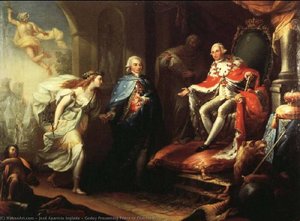
Godoy Presenting Peace to Charles IV (1796) للفنان José Aparicio

Godoy Presenting Peace to Charles IV

The scene unfolds within a lavishly appointed chamber, where the weight of Spanish sovereignty is palpable. King Charles IV and Queen Maria Louisa sit as the central figures of authority, their presence anchoring the composition. Approaching them is the Spanish Prime Minister, Godoy, who presents a peace treaty to the royal couple. The room is furnished with a couch and several chairs, creating a sense of formality and grandeur that…

المواضيع التي استأثرت باهتمام José Aparicio

المواضيع الأربعة التي تتكرر باستمرار في هذه الأعمال الأصلية، مع تقديم أروع مثال لكل منها.

المتاحف التي تحتفظ بالأعمال الأصلية لـ José Aparicio

المتاحف الـ 4 التي تضم أكبر عدد من اللوحات الموجودة في هذه الصفحة.

المتحف المدينة أعمال José Aparicio لوحات من هذه القائمة
متحف برادو, مدريدمتحف برادو مدريد 2 Tomás Moreno Daoíz, Maria Luisa of Spain, Duchess of Lucca, with Children
Museu Histórico Nacional, ريو دي جانيروMuseu Histórico Nacional ريو دي جانيرو 1 Portrait of María Francisca de Braganza
أكاديمية سان فرناندو للفنون الجميلة, مدريدأكاديمية سان فرناندو للفنون الجميلة مدريد 1 Godoy Presenting Peace to Charles IV
Museo Romantico, مدريدMuseo Romantico مدريد 1 Landing of Ferdinand VII in El Puerto de Santa Maria

José Aparicio، لوحة أيقونية واحدة لكل عقد

الأعمال حسب العقد

اختر عقداً لتشاهد العمل الأصلي الذي يجسده.

لوحات José Aparicio: إجابات المعرض

ما هي اللوحة الأكثر شهرة لـ José Aparicio على الإطلاق؟اكتشف الإجابة

Tomás Moreno Daoíz (1815)، متحف برادو, مدريد. ويليها Portrait of María Francisca de Braganza (1817) وGodoy Presenting Peace to Charles IV (1796).

كم كان عمر José Aparicio عند إكمال Tomás Moreno Daoíz؟اكتشف الإجابة

عمر 45 عاماً: يعود تاريخ Tomás Moreno Daoíz إلى 1815، وقد وُلد José Aparicio في 1770.

كم عدد الأعمال التي أبدعها José Aparicio؟اكتشف الإجابة

يضم كتالوجنا 5 من أعمال José Aparicio، التي يعود تاريخها من 1796 إلى 1828.

أين تُعرض أشهر الأعمال الأصلية لـ José Aparicio؟اكتشف الإجابة

توجد غالبيتها في متحف برادو (مدريد), Museu Histórico Nacional (ريو دي جانيرو) و أكاديمية سان فرناندو للفنون الجميلة (مدريد). يدرج جدول المتاحف أعلاه جميعها.

متى أبدع José Aparicio أشهر لوحاته؟اكتشف الإجابة

في 1810s: تم إنجاز 2 من أصل 5 من الأعمال في هذه الصفحة خلال تلك الفترة، من بينها Tomás Moreno Daoíz.

ما هي أشهر أعمال José Aparicio المبكرة والأخيرة؟اكتشف الإجابة

في هذه الصفحة، أقدم الأعمال يعود إلى Godoy Presenting Peace to Charles IV (1796) وأحدثها يعود إلى Landing of Ferdinand VII in El Puerto de Santa Maria (1828).

ما هو الوسيط الفني الذي استخدمه José Aparicio بشكل أكبر؟اكتشف الإجابة

Oil On Canvas، لـ 2 من أصل 5 من الأعمال في هذه الصفحة.

ما هي الأعمال الأصلية لـ José Aparicio التي تمتلكها متحف برادو؟اكتشف الإجابة

Tomás Moreno Daoíz و Maria Luisa of Spain, Duchess of Lucca, with Children: يضم متحف برادو, مدريد 2 من الأعمال المعروضة في هذه الصفحة.

José Aparicio: الفنان

José Aparicio Inglada: A Patriot Painter of Spain’s Golden Age

José Aparicio Inglada (1773 – 1838) stands as a pivotal figure in Spanish neoclassical art, inextricably linked to the reign of Ferdinand VII and embodying the fervent patriotic spirit that characterized the era. Born in Alicante, he descended from a respectable middle-class family, fostering an early appreciation for artistic pursuits—a passion nurtured by his formative years at the Real Academia de Bellas Artes de San Carlos de Valencia, where he secured first prize for painting in 1793. This initial success propelled him towards further academic training at the Real Academia de Bellas Artes de San Fernando in Madrid, cementing his foundation within Spain’s artistic elite.
  • Early Influences: Inglada's artistic sensibilities were profoundly shaped by the prevailing neoclassical style championed by Jacques-Louis David during his Parisian studies (1796-1807). David’s emphasis on idealized forms and dramatic compositions instilled in Inglada a meticulous approach to technique and an unwavering commitment to conveying emotion through visual representation.
  • Roman Retreat: Recognizing the importance of artistic immersion, Inglada traveled to Rome in 1807, seeking inspiration from the grandeur of antiquity and engaging with the intellectual currents of his time. This period witnessed him rejecting allegiance to Joseph I, aligning himself with fellow artists who opposed the Bourbon monarchy’s repressive policies—a stance that resulted in a virtual imprisonment at Castel Sant'Angelo until Ferdinand VII’s restoration in 1813.

Notable Works and Artistic Style

Inglada’s artistic output is distinguished by its unwavering dedication to patriotic themes, reflecting the anxieties and aspirations of Spain during a turbulent period marked by political upheaval and Napoleonic occupation. His magnum opus, “The Landing of Ferdinand VII at El Puerto de Santa María” (1814), exemplifies his masterful command of color and composition—a monumental canvas that captures the triumphant return of the king and symbolizes the resurgence of Spanish sovereignty. Similarly, "The Glorious Triumph of Ferdinand VII" portrays a scene of regal splendor, showcasing Inglada’s ability to imbue his paintings with palpable emotion and grandeur.
  • Technique: Inglada employed meticulous brushwork and tonal modulation—characteristic features of neoclassical painting—to achieve remarkable realism and luminosity. He skillfully utilized chiaroscuro to sculpt forms and create dramatic contrasts, enhancing the expressive power of his subjects.
  • Subject Matter: His oeuvre encompassed portraits of prominent figures – nobility and military officers – meticulously rendered with an acute attention to detail and psychological nuance. These portraits served not only as visual records but also as embodiments of aristocratic ideals and virtues.

Recognition and Legacy

Inglada’s artistic achievements garnered considerable acclaim during his lifetime, culminating in the prestigious title of “Academician of Merit” bestowed upon him by the Academia de San Carlos in 1829—a testament to his contribution to Spanish art history. He served as Director of the Academia de San Fernando until his death in 1838, shaping the artistic education and scholarship of generations of aspiring painters. Inglada’s enduring legacy resides not merely in his impressive body of work but also in his unwavering commitment to portraying Spain's historical narrative with dignity and conviction—a contribution that continues to resonate within the annals of Spanish art.

Further Exploration

For a deeper understanding of José Aparicio Inglada’s artistic vision, consider visiting Capilla de San José (Toledo) – Spain’s hidden gem! Admire El Greco masterpieces & delve into Spanish Renaissance art within this intimate chapel and discover its fascinating history. Also explore the San Jose Museum of Art in United States – California – where you can find impressive modern & contemporary art pieces.