


1


تحديث أكتوبر 2026 · مُرتبة حسب مؤشر شعبيتنا (عمليات البحث، والزيارات، والطلبات لكل عمل فني) · 17 أعمال لـ John Robert Dicksee في كتالوجنا
باختصار
من بين جميع الأعمال الأصلية التي تركها John Robert Dicksee، تُعد Warren Stormes Hale (1791–1872), Lord Mayor of London and Founder of the City of London School (1853) هي الأشهر، وهي ضمن مجموعة Guildhall Art Gallery في لندن. تأتي بعدهما مباشرة كل من Reverend Joseph Harris, Master at the City of London School (1891) و Richard Lambert Jones (1862). يضم كتالوجنا 17 من أعمال John Robert Dicksee؛ حيث احتفظ المعرض بـ 16 من أكثر الأعمال التي يعجب بها العالم، مع عرض كل منها مع تاريخها ومتحفها وقصتها.


المواضيع الأربعة التي تتكرر باستمرار في هذه الأعمال الأصلية، مع تقديم أروع مثال لكل منها.
المتاحف الـ 4 التي تضم أكبر عدد من اللوحات الموجودة في هذه الصفحة.
| المتحف | المدينة | أعمال John Robert Dicksee | لوحات من هذه القائمة |
|---|---|---|---|
 Guildhall Art Gallery |
لندن | 7 | Warren Stormes Hale (1791–1872), Lord Mayor of London and Founder of the City of London School, Reverend Joseph Harris, Master at the City of London School, Richard Lambert Jones |
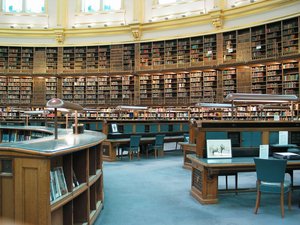 المكتبة البريطانية |
لندن | 2 | General John Nicholson, General John Nicholson (1821–1857) |
 Victoria Art Gallery |
Bath | 2 | My Lady's Page, My Lady's Page |
 متحف سالفورد - معرض الفنون |
مانشستر الكبرى | 1 | Lady with a Glove |
اختر عقداً لتشاهد العمل الأصلي الذي يجسده.
Warren Stormes Hale (1791–1872), Lord Mayor of London and Founder of the City of London School (1853)، Guildhall Art Gallery, لندن. ويليها Reverend Joseph Harris, Master at the City of London School (1891) وRichard Lambert Jones (1862).
عمر 36 عاماً: يعود تاريخ Warren Stormes Hale (1791–1872), Lord Mayor of London and Founder of the City of London School إلى 1853، وقد وُلد John Robert Dicksee في 1817.
Warren Stormes Hale (1791–1872), Lord Mayor of London and Founder of the City of London School, Reverend Joseph Harris, Master at the City of London School, Richard Lambert Jones, John Laird Mair (1811–1879), Lord Lawrence, Viceroy of India, John Laird Mair, Lord Lawrence, Viceroy of India, General John Nicholson, General John Nicholson (1821–1857), Brigadier General John Nicholson (1821–1857), Sir Henry Edmund Knight, Lord Mayor of London (1882) و For You, Miss. يوضح التصنيف أعلاه سنة كل لوحة والمتحف التابعة له.
يضم كتالوجنا 17 من أعمال John Robert Dicksee، التي يعود تاريخها من 1853 إلى 1891.
توجد غالبيتها في Guildhall Art Gallery (لندن), المكتبة البريطانية (لندن) و Victoria Art Gallery (Bath). يدرج جدول المتاحف أعلاه جميعها.
في 1860s: تم إنجاز 6 من أصل 16 من الأعمال في هذه الصفحة خلال تلك الفترة، من بينها Richard Lambert Jones.
في هذه الصفحة، أقدم الأعمال يعود إلى Warren Stormes Hale (1791–1872), Lord Mayor of London and Founder of the City of London School (1853) وأحدثها يعود إلى Reverend Joseph Harris, Master at the City of London School (1891).
Warren Stormes Hale (1791–1872), Lord Mayor of London and Founder of the City of London School, Reverend Joseph Harris, Master at the City of London School و Richard Lambert Jones: يضم Guildhall Art Gallery, لندن 7 من الأعمال المعروضة في هذه الصفحة.
John Robert Dicksee (1817-1905) remains a quietly significant figure in 19th-century British art, often overshadowed by his more flamboyant brother, Thomas Francis Dicksee. While Thomas captured the grand narratives of Victorian life with sweeping landscapes and portraits of nobility, John carved out a distinct niche as a meticulous observer and interpreter of the East—specifically, the Maltese Islands and the broader Mediterranean region. His work isn’t characterized by dramatic gestures or bold statements; instead, it offers intimate glimpses into daily life, architectural details, and the subtle nuances of light and color, revealing a remarkable sensitivity to atmosphere and texture.
Born in London, John Dicksee received his artistic training initially from his brother Thomas, but quickly developed his own unique style. He spent considerable time in Malta during the 1850s and 60s, becoming deeply immersed in the island’s culture and landscape. This period proved transformative, shaping not only his subject matter but also his technical approach. Unlike many artists of the era who relied on idealized representations, Dicksee meticulously documented the realities of Maltese life – the bustling marketplaces, the weathered facades of buildings, the intricate patterns of textiles, and the faces of ordinary people. His drawings and paintings are remarkably detailed, capturing the heat haze shimmering over stone walls, the folds in a woman’s dress, or the texture of a worn leather pouch with astonishing precision.
Dicksee's artistic influences were diverse. He was clearly influenced by the Orientalist movement, which sought to depict scenes from the Middle East and North Africa, but he moved beyond mere exoticism. His work possesses a distinctly observational quality, reminiscent of early Renaissance artists like Leonardo da Vinci, who meticulously studied anatomy and perspective. The influence of Japanese prints is also evident in his use of composition, flattened perspectives, and emphasis on detail—a trend that was gaining popularity among British artists at the time.
Dicksee’s palette reflects his deep engagement with the Maltese environment. He favored warm earth tones – ochres, siennas, and umbers – to capture the sun-drenched colors of the islands. His use of light is particularly noteworthy; he skillfully rendered the intense glare of the midday sun, creating a shimmering effect that imbues his paintings with a palpable sense of heat and atmosphere. He was adept at capturing the subtle shifts in color as the light changed throughout the day, from the cool blues and greens of dawn to the fiery oranges and reds of sunset.
His technique involved painstaking observation and patient rendering. Dicksee often worked directly from life, sketching outdoors for extended periods. He employed a combination of watercolor and pen and ink, layering washes of color to create depth and texture. His drawings are characterized by their remarkable accuracy and detail, capturing the intricate patterns of architecture, the folds in fabric, and the subtle expressions on people’s faces. He wasn't interested in grand gestures or dramatic compositions; instead, he focused on capturing the quiet beauty of everyday life.
Dicksee’s oeuvre is dominated by scenes from Malta and other Mediterranean locales. He frequently depicted local women engaged in daily activities – selling goods in the marketplace, weaving textiles, or tending to their homes. These portraits are not idealized representations; they capture the dignity and resilience of ordinary people. He also painted architectural subjects—the imposing fortifications of Valletta, the narrow streets of Mdina, and the crumbling ruins of ancient temples. His meticulous renderings of these structures reveal a deep appreciation for their history and beauty.
Beyond his depictions of everyday life and architecture, Dicksee occasionally ventured into more formal portraiture. These works demonstrate his skill in capturing likenesses and conveying personality. However, even in these portraits, he retained his characteristic attention to detail—noting the texture of clothing, the expression on the subject’s face, and the subtle nuances of their appearance.
Despite his considerable talent and dedication, Dicksee remained largely unknown during his lifetime. He primarily sold his work through dealers and galleries, and he rarely exhibited in major institutions. However, his meticulous drawings and paintings have since been recognized for their artistic merit and historical significance. Today, his works are held in prominent collections around the world, including the British Museum and the National Portrait Gallery.
Dicksee’s legacy lies not in grand pronouncements or revolutionary techniques, but in his quiet dedication to observation and detail. He offered a unique and insightful perspective on the Mediterranean world—a world often overlooked by other artists of his time. His work serves as a testament to the power of careful observation and the enduring beauty of everyday life.


