


1


تحديث نوفمبر 2026 · مُرتبة حسب مؤشر شعبيتنا (عمليات البحث، والزيارات، والطلبات لكل عمل فني) · 28 أعمال لـ Henri Evenepoel في كتالوجنا
باختصار
تُعد Man in Red (1894) اللوحة الأكثر جذباً للأنظار للفنان Henri Evenepoel؛ والنسخة الأصلية محفوظة في Musées Royaux Des Beaux، بروكسل. بعد ذلك، تتجه العين إلى My Ill Grandfather (1892) و Charles Milcendeau (1899). من بين 28 من أعمال Henri Evenepoel في كتالوجنا، تُعد هذه 26 الأعمال هي الأكثر شهرة، حيث تُعرض كل واحدة منها كعمل أصلي فريد مع سنة إنتاجها، والمتحف الذي تضمّه، والسبب وراء خلودها.


This portrait, titled Charles Milcendeau, was painted by Henri Evenepoel in 1899. It captures a specific individual, Charles Edmond Théodore Soullans, who is known to us through this work as Charles Milcendeau. The painting offers a direct encounter with the subject, presented in a way that feels both personal and quiet.


 Count Aymer de la Chevalerie1896 · المتحف الملكي للفنون الجميلة في أنتويرب
12
 The running girl1895 · المتحف الملكي للفنون الجميلة في أنتويرب
13
 Wrestling Barrack at a Fair1898 · المتحف الملكي للفنون الجميلة في أنتويرب
14
 The Poulterer1897 · المتحف الملكي للفنون الجميلة في أنتويرب
15
 The Box1896 · المتحف الملكي للفنون الجميلة في أنتويرب
16
 Portrait of Edward Tuck, Vice-Consul of the United States in Paris1899 · Museum of Fine Arts Ghent (MSK)
17
 Sunday at the Bois de Boulogne1899 · المتحف الملكي للفنون الجميلة في أنتويرب
18
 Sunday in the Bois de Boulogne1891
19
 Orange Market at Blida1898 · المتاحف الملكية للفنون الجميلة في بلجيكا
20
 Sunday Fair at Les Invalides1897 · المتحف الملكي للفنون الجميلة في أنتويرب
21
 Mendiant. Algerie1897
22
 Veterans' Festival1898 · Musées Royaux des Beaux-Arts
23
 Henriette in a Large Hat1899 · Musées Royaux Des Beaux
24
 La chambre de l'artiste
25
 Charles in a Striped Jersey1898
26
 The Spaniard in Paris1899 · Museum of Fine Arts Ghent (MSK)
المتاحف الـ 8 التي تضم أكبر عدد من اللوحات الموجودة في هذه الصفحة.
| المتحف | المدينة | أعمال Henri Evenepoel | لوحات من هذه القائمة |
|---|---|---|---|
 المتحف الملكي للفنون الجميلة في أنتويرب |
أنتويرب | 10 | My Ill Grandfather, Louise in Mourning, Returning from Work at Sunset |
 Museum of Fine Arts Ghent (MSK) |
غنت | 4 | Portrait of Hélène Roulet, the Wife of the Artist Adolphe Crespin, The Clown, Portrait of Edward Tuck, Vice-Consul of the United States in Paris |
 Musées Royaux Des Beaux |
بروكسل | 2 | Man in Red, Henriette in a Large Hat |
 المتاحف الملكية للفنون الجميلة في بلجيكا |
بروكسل | 2 | Pictures - Portrait of Louis Charles Crespin, Orange Market at Blida |
 متحف أورسيه |
باريس | 1 | Charles Milcendeau |
 Städel Museum |
فرانكفورت | 1 | In the Café d'Harcourt in Paris |
 متحف الفنون الجميلة في هيوستن |
هيوستن | 1 | At the Moulin Rouge |
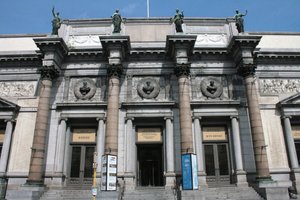 Musées Royaux des Beaux-Arts |
بروكسل | 1 | Veterans' Festival |
تتراوح الأعمال الأصلية المؤرخة لـ Henri Evenepoel والمعروضة هنا ضمن فترة عشر سنوات تقريباً، من 1891 إلى 1899؛ حيث تتبعها العين عاماً بعد عام.
اختر سنة لعرض أعمالها الأصلية.

المزيد من 1896
This portrait, titled Charles Milcendeau, was painted by Henri Evenepoel in 1899. It captures a specific individual, Charles Edmond Théodore Soullans, who is known to us through this work as Charles Milcendeau. The painting offers a direct encounter with the subject, presented in a way that feels both personal and quiet.
المزيد من 1899
Man in Red (1894)، Musées Royaux Des Beaux, بروكسل. ويليها My Ill Grandfather (1892) وCharles Milcendeau (1899).
عمر 22 عاماً: يعود تاريخ Man in Red إلى 1894، وقد وُلد Henri Evenepoel في 1872.
Man in Red, My Ill Grandfather, Charles Milcendeau, In the Café d'Harcourt in Paris, Pictures - Portrait of Louis Charles Crespin, At the Moulin Rouge, Portrait of Hélène Roulet, the Wife of the Artist Adolphe Crespin, The Clown, Louise in Mourning و Returning from Work at Sunset. يوضح التصنيف أعلاه سنة كل لوحة والمتحف التابعة له.
يضم كتالوجنا 28 من أعمال Henri Evenepoel، التي يعود تاريخها من 1891 إلى 1899.
توجد غالبيتها في المتحف الملكي للفنون الجميلة في أنتويرب (أنتويرب), Museum of Fine Arts Ghent (MSK) (غنت) و Musées Royaux Des Beaux (بروكسل). يدرج جدول المتاحف أعلاه جميعها.
في 1897: تم إنجاز 5 من أصل 26 من الأعمال في هذه الصفحة خلال تلك الفترة، من بينها In the Café d'Harcourt in Paris.
في هذه الصفحة، أقدم الأعمال يعود إلى Sunday in the Bois de Boulogne (1891) وأحدثها يعود إلى Charles Milcendeau (1899).
My Ill Grandfather, Louise in Mourning و Returning from Work at Sunset: يضم المتحف الملكي للفنون الجميلة في أنتويرب, أنتويرب 10 من الأعمال المعروضة في هذه الصفحة.


