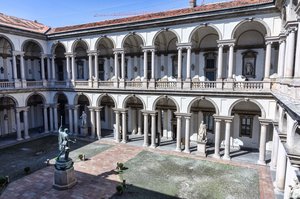
بورتريه لـ Girolamo Genga

لوحات Girolamo Genga: أشهر 15 لوحة، بعيون معرض فني

تحديث نوفمبر 2026 · مُرتبة حسب مؤشر شعبيتنا (عمليات البحث، والزيارات، والطلبات لكل عمل فني) · 16 أعمال لـ Girolamo Genga في كتالوجنا

باختصار

من وجهة نظر المعرض، فإن أشهر لوحة للفنان Girolamo Genga هي Virgin Nursing the Child with the Infant John the Baptist (1510). Flight of Aeneas from Troy (1507) و Magpie on Viburnum Branch (501) يكملان الثلاثية التي تدركها كل عين. من بين 16 من أعمال Girolamo Genga في كتالوجنا، يعرض المعرض أدناه 15 من أشهرها، كل منها عمل أصلي مع سنة إنتاجه، والمتحف الذي يضمها، وما يجعلها فريدة من نوعها.

1476 – 1551, Urbino أكبر مجموعة أعمال: Pinacoteca Nazionale

أفضل 10 لوحات لـ Girolamo Genga في المعرض

1
Virgin Nursing the Child with the Infant John the Baptist (1510) للفنان Girolamo Genga

Virgin Nursing the Child with the Infant John the Baptist

1510 · Oil

The scene unfolds within the intimate confines of Virgin Nursing the Child with the Infant John the Baptist, a work that captures a quiet, sacred moment of nourishment and connection. Girolamo Genga brings this vision to life through the medium of oil on wood, a choice that lends a specific depth to the figures. The painting measures 95 x 73 cm, a scale that invites a close, personal encounter with…

2
Flight of Aeneas from Troy (1507) للفنان Girolamo Genga

Flight of Aeneas from Troy

1507 · Fresco · Pinacoteca Nazionale, سيينا

In the breathtaking fresco Flight of Aeneas from Troy, Girolamo Genga captures a moment of pure, unadulterated chaos and heroic desperation. The scene unfolds with a visceral energy that pulls the viewer directly into the heart of the Trojan War's final, agonizing hours. At the center of this whirlwind of motion is a woman, her form suspended in a state of dynamic flight, clutching her garments as if to anchor…

3
Magpie on Viburnum Branch (501) للفنان Girolamo Genga

Magpie on Viburnum Branch

A magpie perches upon a viburnum branch, its black and white plumage rendered with meticulous precision. The bird occupies the immediate foreground, its form defined by sharp contrasts and a keen attention to the texture of feathers. Surrounding the central subject, delicate blossoms and leaves emerge from the branch, creating a sense of organic depth. Beyond this primary focus, several other birds are scattered throughout the composition, positioned at varying…

4
St Augustine Baptizes the Cathechumens (1516) للفنان Girolamo Genga

St Augustine Baptizes the Cathechumens

1516 · Oil On Panel · Accademia Carrara, بيرغامو

In this oil on panel work from 1516, we find ourselves within a quiet, architectural interior that feels both sacred and intimate. Girolamo Genga places St Augustine at the center of a profound ritual, capturing the precise moment of baptism. The saint is depicted with a sense of quiet authority, holding a cross and a book—symbols of his dual identity as a spiritual leader and a scholar. Around him, the…

5
Bamboo in Rain; Bamboo in Wind (1525) للفنان Girolamo Genga

Bamboo in Rain; Bamboo in Wind

1525 · Ink · متحف كليفلاند للفنون, كليفلاند

This vertical hanging scroll painting, dated to 1525, utilizes a monochromatic palette of dark ink against a muted, aged tan background. The composition is structured around a vast use of negative space, which creates a sense of depth and mist within the landscape. In the foreground, slender stalks of bamboo are rendered with fine, precise lines, appearing to sway as if caught in a breeze or rain. The midground features…

6
Ceiling decoration (1530) للفنان Girolamo Genga

Ceiling decoration

1530 · Fresco

Light dances across the ceiling of the Sala dei Semibusti, where the air feels heavy with the weight of history. High above, the frescoes of Girolamo Genga unfold in a complex dance of color and form. The central circular panel commands the gaze, pulling the eye into a swirling scene of figures that seem to exist in a state of perpetual motion. Earth tones, deep blues, and soft greens wash…

7
The Oath of Sermide (1530) للفنان Girolamo Genga

The Oath of Sermide

1530 · Fresco

The courtyard is a stage of stone and shadow. In this fresco, Girolamo Genga captures a heavy stillness, the kind that precedes a storm or a decree. Figures gather in a public square, their bodies caught in the tension of a solemn oath. They wear the heavy, structured garments of a bygone era, fabrics that seem to hold the weight of their convictions. At the center, the act of swearing…

لوحات Girolamo Genga، مرتبة من 11 إلى 15

المواضيع التي استأثرت باهتمام Girolamo Genga

المواضيع الأربعة التي تتكرر باستمرار في هذه الأعمال الأصلية، مع تقديم أروع مثال لكل منها.

المتاحف التي تحتفظ بالأعمال الأصلية لـ Girolamo Genga

المتاحف الـ 8 التي تضم أكبر عدد من اللوحات الموجودة في هذه الصفحة.

المتحف المدينة أعمال Girolamo Genga لوحات من هذه القائمة
Pinacoteca Nazionale, سييناPinacoteca Nazionale سيينا 1 Flight of Aeneas from Troy
متحف المتروبوليتان للفنون, نيويوركمتحف المتروبوليتان للفنون نيويورك 1 Magpie on Viburnum Branch
Accademia Carrara, بيرغاموAccademia Carrara بيرغامو 1 St Augustine Baptizes the Cathechumens
متحف كليفلاند للفنون, كليفلاندمتحف كليفلاند للفنون كليفلاند 1 Bamboo in Rain; Bamboo in Wind
المعرض الوطني, لندنالمعرض الوطني لندن 1 A Jesse-Tree
Château de Chantilly, شانتييChâteau de Chantilly شانتيي 1 Virgin and Child with infant Saint John and two saints
Pinacoteca di Brera, ميلانوPinacoteca di Brera ميلانو 1 Virgin and Child with Saints
Musée des Beaux-Arts de Strasbourg, ستراسبورغMusée des Beaux-Arts de Strasbourg ستراسبورغ 1 The Abduction of Helen

Girolamo Genga، لوحة أيقونية واحدة لكل عقد

الأعمال حسب العقد

اختر عقداً لتشاهد العمل الأصلي الذي يجسده.

لوحات Girolamo Genga: إجابات المعرض

ما هي اللوحة الأكثر شهرة لـ Girolamo Genga على الإطلاق؟اكتشف الإجابة

Virgin Nursing the Child with the Infant John the Baptist (1510). يليه Flight of Aeneas from Troy (1507) و Magpie on Viburnum Branch (501).

كم كان عمر Girolamo Genga عند إكمال Virgin Nursing the Child with the Infant John the Baptist؟اكتشف الإجابة

عمر 34 عاماً: يعود تاريخ Virgin Nursing the Child with the Infant John the Baptist إلى 1510، وقد وُلد Girolamo Genga في 1476.

ما هي أفضل 10 لوحات لـ Girolamo Genga؟اكتشف الإجابة

Virgin Nursing the Child with the Infant John the Baptist, Flight of Aeneas from Troy, Magpie on Viburnum Branch, St Augustine Baptizes the Cathechumens, Bamboo in Rain; Bamboo in Wind, Ceiling decoration, The Oath of Sermide, Minerva, The annunciation و Rescue prisoners. يوضح التصنيف أعلاه سنة كل لوحة والمتحف التابعة له.

كم عدد الأعمال التي أبدعها Girolamo Genga؟اكتشف الإجابة

يضم كتالوجنا 16 من أعمال Girolamo Genga، التي يعود تاريخها من 1507 إلى 1530.

أين تُعرض أشهر الأعمال الأصلية لـ Girolamo Genga؟اكتشف الإجابة

توجد غالبيتها في Pinacoteca Nazionale (سيينا), متحف المتروبوليتان للفنون (نيويورك) و Accademia Carrara (بيرغامو). يدرج جدول المتاحف أعلاه جميعها.

متى أبدع Girolamo Genga أشهر لوحاته؟اكتشف الإجابة

في 1510s: تم إنجاز 3 من أصل 15 من الأعمال في هذه الصفحة خلال تلك الفترة، من بينها Virgin Nursing the Child with the Infant John the Baptist.

ما هي أشهر أعمال Girolamo Genga المبكرة والأخيرة؟اكتشف الإجابة

في هذه الصفحة، أقدم الأعمال يعود إلى Flight of Aeneas from Troy (1507) وأحدثها يعود إلى Ceiling decoration (1530).

ما هي المواضيع التي عاد إليها Girolamo Genga أكثر من غيرها؟اكتشف الإجابة

Virgin mary (3), Renaissance (3) و People (3)، عبر 15 من الأعمال في هذه الصفحة.

ما هو الوسيط الفني الذي استخدمه Girolamo Genga بشكل أكبر؟اكتشف الإجابة

Fresco، لـ 3 من أصل 15 من الأعمال في هذه الصفحة.

Girolamo Genga: الفنان

The Architect of Emotion: The Life and Legacy of Girolamo Genga

Girolamo Genga stands as a pivotal figure in the late Renaissance artistic landscape, particularly renowned for his masterful command of Mannerism—a style characterized by stylized forms, exaggerated perspective, and an emphasis on emotional intensity. Born in the illustrious city of Urbino, Italy, around 1476, Genga’s formative years were steeped in the intellectual fervor of Federico da Montefeltro's court. This was a crucible where humanist ideals intersected with artistic innovation, providing a fertile ground for a young talent to flourish. His early apprenticeship under the legendary Luca Signorelli instilled within him a foundational understanding of sculptural realism and narrative storytelling, skills that would serve as the bedrock of his prolific career. As his journey unfolded, Genga moved through the most vibrant artistic centers of Italy, honing his craft alongside titans such as Pietro Perugino and Raphael in Umbria. This exposure to Raphael's harmonious compositions undoubtedly influenced Genga’s aesthetic sensibilities, fostering a lifelong desire for elegance and balance while simultaneously nurturing an inclination towards dramatic visual effects. His subsequent ventures into Florence and Siena cemented his reputation as a versatile artist capable of adapting to diverse commissions and complex artistic traditions. One notable achievement was his collaboration with Timoteo della Vite on the opulent decoration of Pandolfo Petrucci’s palazzo in Siena, a project that perfectly exemplifies Genga's ability to synthesize classical ideals with contemporary stylistic trends.

Theatricality and the Mastery of Space

Returning to his roots in Urbino, Genga became a favored artist of Duke Guidobaldo da Montefeltro. It was during this period that his unique talent for large-scale, immersive environments truly began to shine. He undertook monumental commissions for the ducal palace and famously orchestrated the elaborate staging of Guidobaldo’s funeral procession in 1508. This particular commission served as a testament to his theatrical flair and technical prowess, underscoring an exceptional ability to design spaces that conveyed profound emotional resonance and grandeur. His work often transcended the boundaries of mere painting, merging the roles of painter and architect to create unified aesthetic experiences. His contributions to the Villa Imperiale and various architectural endeavors demonstrate a mind that viewed art not as isolated objects, but as integral components of a larger, lived environment. Through his frescoes and altarpieces, Genga breathed life into stone and plaster, using light, shadow, and movement to guide the viewer's eye through complex theological and mythological narratives.

A Lasting Impression on the Mannerist Movement

The historical significance of Girolamo Genga lies in his role as a bridge between the balanced perfection of the High Renaissance and the expressive, often turbulent energy of Mannerism. By embracing the more artificial and stylized elements of art, he helped pave the way for future generations to explore the psychological depths of their subjects. His legacy is found in:
  • The Synthesis of Styles: His ability to blend the sculptural weight of Signorelli with the grace of Raphael.
  • Architectural Integration: The seamless marriage of decorative painting with structural design, particularly in his work for the Italian nobility.
  • Narrative Drama: The use of theatrical staging and perspective to evoke intense emotional responses from the spectator.
Though time has passed since his death in July 1551, the echoes of Genga's dramatic vision remain visible in the evolution of Italian art. He remains a master of the transition, an artist who understood that true beauty often lies in the tension between classical order and the expressive power of the human spirit.