بورتريه لـ Giovanni Baronzio

أشهر 19 لوحات لـ Giovanni Baronzio، كل واحدة منها فريدة من نوعها

تحديث نوفمبر 2026 · مُرتبة حسب مؤشر شعبيتنا (عمليات البحث، والزيارات، والطلبات لكل عمل فني) · 20 من أعمال Giovanni Baronzio في كتالوجنا

باختصار

تُعد Scenes from the Life of St Colomba: St Colomba Saved by a Bear (1340) اللوحة الأكثر جذباً للأنظار للفنان Giovanni Baronzio؛ والنسخة الأصلية محفوظة في Pinacoteca di Brera، ميلانو. بعد ذلك، تتجه العين إلى Madonna and Child with Five Angels (1335) و The Coronation of the Virgin (1330). من بين 20 من أعمال Giovanni Baronzio في كتالوجنا، تُعد هذه 19 الأعمال هي الأكثر شهرة، حيث تُعرض كل واحدة منها كعمل أصلي فريد مع سنة إنتاجها، والمتحف الذي تضمّه، والسبب وراء خلودها.

أكبر مجموعة أعمال: Gemäldegalerie

أفضل 10 لوحات لـ Giovanni Baronzio، بعيون المعرض

1
Scenes from the Life of St Colomba: St Colomba Saved by a Bear (1340) للفنان Giovanni Baronzio

Scenes from the Life of St Colomba: St Colomba Saved by a Bear

1340 · Tempera On Panel · Pinacoteca di Brera, ميلانو

In the mid-fourteenth century, the air of the late Middle Ages held a heavy, spiritual tension. Giovanni Baronzio captured this friction in 1340, freezing a moment where the natural world and the divine collide. A lion lunges, its predatory intent sharp and lethal, yet the expected violence is interrupted. A bear enters the frame, not as a beast of chaos, but as an instrument of God’s will. The scene shifts…

2
Madonna and Child with Five Angels (1335) للفنان Giovanni Baronzio

Madonna and Child with Five Angels

1335 · Tempera On Panel · المعرض الوطني للفنون, واشنطن

This highly stylized, sacred religious painting from the Trecento period features a formal, hierarchical composition. The Madonna is seated centrally, holding the Christ Child, and is surrounded by five angels. The artwork is characterized by a vertical, rectangular format and a shallow depth that creates an otherworldly, eternal atmosphere.

4
The Angel of the Annunciation (top), the Nativity and Annunciation to the Shepherds (centre), the Adoration of the Magi (bottom) (1337) للفنان Giovanni Baronzio

The Angel of the Annunciation (top), the Nativity and Annunciation to the Shepherds (centre), the Adoration of the Magi (bottom)

1337 · Tempera On Panel · Barber Institute of Fine Arts, برمنغهام

The sacred narrative unfolds across the vertical expanse of The Angel of the Annunciation (top), the Nativity and Annunciation to the Shepherds (centre), the Adoration of the Magi (bottom). This multi-tiered religious polyptych, painted by Giovanni Baronzio, captures the essential moments of the life of Christ through a series of stacked, devotional scenes. Each register holds a different chapter of the divine story, from the celestial messenger appearing in the…

5
Untitled (D2X2GU) (1340) للفنان Giovanni Baronzio

Untitled (D2X2GU)

1340 · Painting · متحف المتروبوليتان للفنون, نيويورك

To gaze upon this painting is to step directly into the vibrant heart of the fourteenth century, where sacred narrative was not merely depicted but lived upon the panel. This exquisite work, titled Untitled (D2X2GU), presents a breathtaking panorama encompassing various pivotal moments from the life of Christ. It is an immersive experience, drawing the viewer into a bustling tableau populated by at least thirteen figures, each caught in a…

6
Scenes from the Life of St Colomba: Beheading of St Colomba (1340) للفنان Giovanni Baronzio

Scenes from the Life of St Colomba: Beheading of St Colomba

1340 · Tempera On Panel · Pinacoteca di Brera, ميلانو

In the quiet intensity of this fourteenth-century masterpiece, Giovanni Baronzio invites us into a scene of profound spiritual drama and visceral human emotion. Scenes from the Life of St Colomba: Beheading of St Colomba is not merely a depiction of a historical execution; it is a carefully choreographed window into the late medieval soul. The composition centers on the harrowing moment of martyrdom, where the physical violence of the beheading…

7
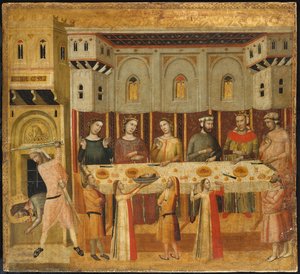
The Feast of Herod and the Beheading of the Baptist (1330) للفنان Giovanni Baronzio

The Feast of Herod and the Beheading of the Baptist

1330 · Tempera On Panel · متحف المتروبوليتان للفنون, نيويورك

To stand before Giovanni Baronzio's "The Feast of Herod and the Beheading of the Baptist" is to step directly into the charged atmosphere of fourteenth-century Rimini. This tempera on panel, dating to 1330, is far more than a mere depiction of martyrdom; it is a masterful convergence of narrative drama, profound religious symbolism, and groundbreaking artistic technique. Baronzio, a key figure in the vibrant, yet often overlooked, school of Romagna,…

8
The Birth, Naming, and Circumcision of Saint John the Baptist (1335) للفنان Giovanni Baronzio

The Birth, Naming, and Circumcision of Saint John the Baptist

1335 · Tempera On Panel · المعرض الوطني للفنون, واشنطن

The Birth, Naming, and Circumcision of Saint John the Baptist is a tempera on panel work by Giovanni Baronzio. Created about 1335, the piece belongs to the fourteenth-century Riminese school of painting. This period saw the development of a distinct visual language in the Romagna and Marche regions, heavily influenced by the stylistic innovations of Giotto di Bondone.

لوحات Giovanni Baronzio الشهيرة، من رقم 11 إلى 19

المواضيع التي استأثرت باهتمام Giovanni Baronzio

المواضيع الأربعة التي تتكرر باستمرار في هذه الأعمال الأصلية، مع تقديم أروع مثال لكل منها.

المتاحف التي تحتفظ بالأعمال الأصلية لـ Giovanni Baronzio

المتاحف الـ 7 التي تضم أكبر عدد من اللوحات الموجودة في هذه الصفحة.

المتاحف المدينة أعمال Giovanni Baronzio لوحات من هذه القائمة
Gemäldegalerie, برلينGemäldegalerie برلين 5 Five Panels with Scenes from the Life of Christ, Descent of the Holy Ghost, Ascension of Christ
Pinacoteca di Brera, ميلانوPinacoteca di Brera ميلانو 3 Scenes from the Life of St Colomba: St Colomba Saved by a Bear, Scenes from the Life of St Colomba: Beheading of St Colomba, St Colomba Saved by a Bear (detail)
المعرض الوطني للفنون, واشنطنالمعرض الوطني للفنون واشنطن 2 Madonna and Child with Five Angels, The Birth, Naming, and Circumcision of Saint John the Baptist
متحف المتروبوليتان للفنون, نيويوركمتحف المتروبوليتان للفنون نيويورك 2 Untitled (D2X2GU), The Feast of Herod and the Beheading of the Baptist
معرض ييل الجامعي للفنون, نيو هيفنمعرض ييل الجامعي للفنون نيو هيفن 1 The Coronation of the Virgin
Barber Institute of Fine Arts, برمنغهامBarber Institute of Fine Arts برمنغهام 1 The Angel of the Annunciation (top), the Nativity and Annunciation to the Shepherds (centre), the Adoration of the Magi (bottom)
Liechtenstein Museum, فييناLiechtenstein Museum فيينا 1 Centrepiece of a Polyptych

Giovanni Baronzio عبر السنين: الأعمال الأصلية الفريدة لكل منها

مسيرة مهنية حافلة تمتد لـ 16 عاماً، من 1330 إلى 1345: أشهر الأعمال الأصلية لـ Giovanni Baronzio، معروضة عاماً تلو الآخر.

الأعمال حسب السنة

اختر سنة لعرض أعمالها الأصلية.

لوحات Giovanni Baronzio: أسئلة حول المعرض

ما هو العمل الأكثر شهرة لـ Giovanni Baronzio؟اكتشف الإجابة

Scenes from the Life of St Colomba: St Colomba Saved by a Bear (1340)، Pinacoteca di Brera, ميلانو. ويليها Madonna and Child with Five Angels (1335) وThe Coronation of the Virgin (1330).

ما هي أشهر عشر لوحات للفنان Giovanni Baronzio؟اكتشف الإجابة

Scenes from the Life of St Colomba: St Colomba Saved by a Bear, Madonna and Child with Five Angels, The Coronation of the Virgin, The Angel of the Annunciation (top), the Nativity and Annunciation to the Shepherds (centre), the Adoration of the Magi (bottom), Untitled (D2X2GU), Scenes from the Life of St Colomba: Beheading of St Colomba, The Feast of Herod and the Beheading of the Baptist, The Birth, Naming, and Circumcision of Saint John the Baptist, St Colomba Saved by a Bear (detail) و Five Panels with Scenes from the Life of Christ. يوضح التصنيف أعلاه سنة كل لوحة والمتحف التابعة له.

كم عدد الأعمال المعروفة لـ Giovanni Baronzio؟اكتشف الإجابة

يضم كتالوجنا 20 من أعمال Giovanni Baronzio، التي يعود تاريخها من 1330 إلى 1345.

أين يمكن مشاهدة الأعمال الأصلية الأكثر شهرة لـ Giovanni Baronzio؟اكتشف الإجابة

توجد غالبيتها في Gemäldegalerie (برلين), Pinacoteca di Brera (ميلانو) و المعرض الوطني للفنون (واشنطن). يدرج جدول المتاحف أعلاه جميعها.

في أي فترة زمنية أبدع Giovanni Baronzio أشهر لوحاته؟اكتشف الإجابة

في 1340: تم إنجاز 4 من أصل 19 من الأعمال في هذه الصفحة خلال تلك الفترة، من بينها Scenes from the Life of St Colomba: St Colomba Saved by a Bear.

ما هي أقدم لوحة فنية للفنان Giovanni Baronzio، وما هي أحدثها؟اكتشف الإجابة

في هذه الصفحة، أقدم الأعمال يعود إلى The Coronation of the Virgin (1330) وأحدثها يعود إلى Centrepiece of a Polyptych (1345).

ما هي الموضوعات التي كان Giovanni Baronzio يفضلها؟اكتشف الإجابة

Scenes (4), Medieval art (3) و Woman (3)، عبر 19 من الأعمال في هذه الصفحة.

ما هي المواد التي استخدمها Giovanni Baronzio في الرسم أكثر من غيرها؟اكتشف الإجابة

Tempera On Panel، لـ 8 من أصل 19 من الأعمال في هذه الصفحة.

ما هي الأعمال الأصلية لـ Giovanni Baronzio التي يمكنني رؤيتها في Gemäldegalerie؟اكتشف الإجابة

Five Panels with Scenes from the Life of Christ, Descent of the Holy Ghost و Ascension of Christ: يضم Gemäldegalerie, برلين 5 من الأعمال المعروضة في هذه الصفحة.

Giovanni Baronzio: صورة شخصية للفنان

Giovanni Baronzio: A Rimini Master of the Fourteenth Century

The name Giovanni Baronzio, often rendered as Giovanni da Rimini, represents a pivotal figure in the artistic landscape of late medieval Italy – specifically, the burgeoning school of painting centered around the city of Rimini. While shrouded in some historical ambiguity, and initially misidentified with other artists, modern scholarship has firmly established Baronzio as a distinct and remarkably talented painter active during the second quarter of the 14th century. His legacy lies not in grand, monumental works, but rather in a series of exquisitely detailed panels and frescoes that offer a compelling glimpse into the evolving artistic traditions of Romagna and Marche – regions deeply influenced by the innovations of Giotto di Bondone.

Born around 1320 (though his precise birthdate remains elusive), Baronzio’s early life is largely undocumented. What we know with certainty is that he emerged as a painter during a period of intense artistic ferment, inheriting and adapting the stylistic principles of Giotto while simultaneously forging his own unique visual language. The documentary evidence pointing to him as an artist comes primarily from a deed dated 1343, which identifies “Iohanne Baroncio pictore” – John Baronzio, painter – as a witness. This single record provides the foundation for understanding his career and artistic identity.

The Influence of Giotto and the Rimini School

Baronzio’s work is inextricably linked to the legacy of Giotto di Bondone, who had established a workshop in Rimini around 1300. Giotto's influence on the Riminese school was profound, shaping its approach to composition, color, and figural representation. Baronzio, like his contemporaries Giuliano, Pietro, and Giovanni da Rimini, absorbed these principles, yet he didn’t simply replicate them; instead, he skillfully integrated them into a distinctly local style. This involved a careful attention to detail, a refined use of color palettes – often employing muted earth tones and delicate blues and greens – and an emphasis on creating a sense of depth and realism within the confines of panel painting.

The “polyptych representing the Madonna and Child Enthroned with Saints” (now in the Galleria Nazionale delle Marche, Palazzo Ducale, Urbino) stands as the cornerstone of our understanding of Baronzio’s oeuvre. This monumental work, dating from around 1340-45, showcases his technical skill and artistic sensibility. It also provides a crucial starting point for reconstructing his broader body of work, which includes scenes from the life of Christ, devotional panels, and likely numerous altarpieces that have unfortunately vanished or remain unattributed.

Key Works and Artistic Techniques

Among Baronzio’s most celebrated works are the “Scenes from the Life of Christ” (circa 1345), now housed in the Metropolitan Museum of Art in New York. These panels, originally part of a diptych, demonstrate his ability to capture dramatic moments and convey profound emotion through carefully rendered figures and evocative compositions. The use of light and shadow is particularly noteworthy, creating a sense of volume and realism that was characteristic of Giotto’s style.

Baronzio's artistic approach can be characterized by several key features: meticulous attention to detail, a refined chromatic sensibility, and an adherence to established Riminese iconography. He skillfully employed decorative patterns and intricate details – a hallmark of the local school’s tradition – while simultaneously demonstrating a remarkable command of perspective and spatial relationships. His work is not overly stylized or manneristic; rather, it possesses a quiet dignity and understated elegance.

Legacy and Historical Significance

Giovanni Baronzio's contribution to the artistic heritage of Romagna and Marche is significant, though often overshadowed by the more prominent figures of Giotto and his immediate disciples. He represents a crucial link in the chain of artistic transmission, preserving and developing the stylistic innovations of the early 14th century. His work provides valuable insights into the evolving artistic practices of the period and demonstrates the enduring influence of Giotto’s legacy on the region's painting traditions.

Despite the scarcity of surviving works, Baronzio’s art continues to fascinate scholars and art enthusiasts alike. His meticulous attention to detail, his refined use of color, and his skillful integration of established iconography make him a compelling figure in the history of Italian Renaissance painting – a master whose quiet brilliance deserves renewed recognition.