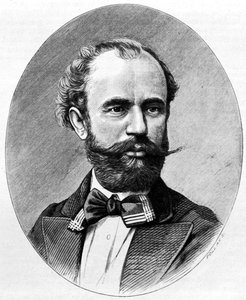
بورتريه لـ Geza Meszoly

لوحات Geza Meszoly: أشهر 20 لوحة، بعيون معرض فني

تحديث نوفمبر 2026 · مُرتبة حسب مؤشر شعبيتنا (عمليات البحث، والزيارات، والطلبات لكل عمل فني) · 21 أعمال لـ Geza Meszoly في كتالوجنا

باختصار

من وجهة نظر المعرض، تُعد Flat Land with Haystacks (1872) أشهر لوحات Geza Meszoly، والتي تُعرض لوحتها الأصلية في المعرض الوطني المجري، بودابست. Landscape with Windmill (1879) و Siófok (1872) يكملان الثلاثية التي تدركها كل عين. من بين 21 من أعمال Geza Meszoly في كتالوجنا، يعرض المعرض أدناه 20 من أشهرها، كل منها عمل أصلي مع سنة إنتاجه، والمتحف الذي يضمها، وما يجعلها فريدة من نوعها.

1844 – 1887, Sárbogárd أكبر مجموعة أعمال: المعرض الوطني المجري

أفضل 10 لوحات لـ Geza Meszoly في المعرض

1
Flat Land with Haystacks (1872) للفنان Geza Meszoly

Flat Land with Haystacks

1872 · Oil · المعرض الوطني المجري, بودابست

The composition finds its strength in the rhythm of the plains. There is no sudden movement, only the slow, steady pulse of the countryside. The haystacks act as anchors in a sea of shifting light, providing a sense of permanence against the fleeting nature of the fog. It is a vision of a world caught in a moment of transition, where the solid earth begins to melt into the sky.…

2
Landscape with Windmill (1879) للفنان Geza Meszoly

Landscape with Windmill

1879 · Watercolor · المعرض الوطني المجري, بودابست

The work moves away from the sharp edges of academic realism toward a more poetic, impressionistic approach. The use of light and shadow emphasizes emotional depth and psychological states. Rather than a literal depiction of a landscape, the piece functions as a meditation on atmosphere. The interplay of organic lines and pigment sedimentation creates a sense of movement, as if the figure is dissolving into the surrounding mist.

لوحات Geza Meszoly، مرتبة من 11 إلى 20

المواضيع التي استأثرت باهتمام Geza Meszoly

المواضيع الأربعة التي تتكرر باستمرار في هذه الأعمال الأصلية، مع تقديم أروع مثال لكل منها.

المتاحف التي تحتفظ بالأعمال الأصلية لـ Geza Meszoly

المتاحف الـ 3 التي تضم أكبر عدد من اللوحات الموجودة في هذه الصفحة.

المتحف المدينة أعمال Geza Meszoly لوحات من هذه القائمة
المعرض الوطني المجري, بودابستالمعرض الوطني المجري بودابست 9 Flat Land with Haystacks, Landscape with Windmill, Siófok
Herman Ottó Museum, MiskolcHerman Ottó Museum Miskolc 2 Crossing at Szántód, Bath-house at lake Balaton
Ernest Zmeták Art Gallery نوفي زامكي 1 At the End of the Village

Geza Meszoly، اللوحات المميزة لكل عام

تمتد مسيرة Geza Meszoly الفنية في هذه الصفحة على مدار 14 سنوات، من 1872 إلى 1885: حيث يظهر كل عام هنا مع أشهر أعماله الأصلية.

الأعمال حسب السنة

اختر سنة لعرض أعمالها الأصلية.

لوحات Geza Meszoly: إجابات المعرض

ما هي اللوحة الأكثر شهرة لـ Geza Meszoly على الإطلاق؟اكتشف الإجابة

Flat Land with Haystacks (1872)، المعرض الوطني المجري, بودابست. ويليها Landscape with Windmill (1879) وSiófok (1872).

كم كان عمر Geza Meszoly عند إكمال Flat Land with Haystacks؟اكتشف الإجابة

عمر 28 عاماً: يعود تاريخ Flat Land with Haystacks إلى 1872، وقد وُلد Geza Meszoly في 1844.

ما هي أفضل 10 لوحات لـ Geza Meszoly؟اكتشف الإجابة

Flat Land with Haystacks, Landscape with Windmill, Siófok, Crossing at Szántód, At the End of the Village, Lido, Fisherman's Hut at Lake Balaton, Farmstead, Bath-house at lake Balaton و The Herd. يوضح التصنيف أعلاه سنة كل لوحة والمتحف التابعة له.

كم عدد الأعمال التي أبدعها Geza Meszoly؟اكتشف الإجابة

يضم كتالوجنا 21 من أعمال Geza Meszoly، التي يعود تاريخها من 1872 إلى 1885.

أين تُعرض أشهر الأعمال الأصلية لـ Geza Meszoly؟اكتشف الإجابة

توجد غالبيتها في المعرض الوطني المجري (بودابست), Herman Ottó Museum (Miskolc) و Ernest Zmeták Art Gallery (نوفي زامكي). يدرج جدول المتاحف أعلاه جميعها.

متى أبدع Geza Meszoly أشهر لوحاته؟اكتشف الإجابة

في 1879: تم إنجاز 3 من أصل 20 من الأعمال في هذه الصفحة خلال تلك الفترة، من بينها Landscape with Windmill.

ما هي أشهر أعمال Geza Meszoly المبكرة والأخيرة؟اكتشف الإجابة

في هذه الصفحة، أقدم الأعمال يعود إلى Flat Land with Haystacks (1872) وأحدثها يعود إلى Bath-house at lake Balaton (1885).

ما هي المواضيع التي عاد إليها Geza Meszoly أكثر من غيرها؟اكتشف الإجابة

Man (2), Portraits (2) و Portrait (2)، عبر 20 من الأعمال في هذه الصفحة.

ما هي الأعمال الأصلية لـ Geza Meszoly التي تمتلكها المعرض الوطني المجري؟اكتشف الإجابة

Flat Land with Haystacks, Landscape with Windmill و Siófok: يضم المعرض الوطني المجري, بودابست 9 من الأعمال المعروضة في هذه الصفحة.

Geza Meszoly: الفنان

The Visionary of the Mist: The Life and Art of Géza Mészöly

Born amidst the rolling landscapes of Sárbogárd, Hungary, in 1844, Géza Mészöly emerged as a profound voice in nineteenth-century European art. His journey was one of transformation, moving from the rigid structures of legal ambition to the ethereal realms of light and atmosphere. While his early education at the Calvinist College in Debrecen provided him with a disciplined mind, it was his eventual departure for the prestigious academies of Vienna and Munich that truly ignited his creative spirit. Under the tutelage of masters like Robert Russ and Albert Zimmermann, Mészöly mastered the rigorous techniques of academic landscape painting, yet he would soon find that true artistry lay not in mere imitation of form, but in the capture of a fleeting, soulful essence.

The evolution of Mészöly’s style represents a beautiful departure from the structured traditions of his training. Upon returning to his beloved Hungary, the artist underwent a stylistic metamorphosis that would define his legacy. He moved away from the sharp, defined edges of academic realism toward a more poetic, impressionistic approach. His canvases began to breathe with a delicate, silvery light, often characterized by grayish tones and a fine, thin vapor that seemed to veil the Hungarian countryside. This mastery of atmosphere allowed him to transform ordinary vistas into dreamlike meditations on nature, where the boundaries between earth and sky dissolved into a soft, luminous haze.

A Tapestry of Hungarian Life and Landscape

Mészöly’s heart belonged to the rugged beauty of the Hungarian plains and the tranquil shores of Lake Balaton. He possessed a rare ability to find the extraordinary within the ordinary, turning his gaze toward the Tisza riverside and the reeds of Akaratty. His work was never merely about scenery; it was an intimate exploration of the human connection to the land. Through his brush, the lives of peasants and fishermen were elevated to the level of high art, depicted with a sense of idyllic peace and profound dignity. He captured the quiet rhythms of their existence—the stillness of a fisherman’s hut, the movement of shadows across a marsh—with an intimacy that resonated deeply with the burgeoning national identity of his era.

As his career progressed into the 1880s, Mészöly’s technique grew increasingly relaxed and expressive. His later works bear a striking resemblance to the atmospheric sensibilities of the French master Corot, as he abandoned meticulous detail in favor of conveying pure emotion and mood. This period marked his most significant achievement: the creation of a unique genre of Balaton life scenes that immortalized the ephemeral beauty of the region. His paintings became more than just records of geography; they were vessels for nostalgia and a celebration of the quiet, enduring spirit of the Hungarian landscape.

Legacy and Artistic Significance

Though his life was tragically short, ending in 1887, the impact of Géza Mészöly remains etched in the history of Hungarian painting. He stands as a bridge between the disciplined academicism of the mid-nineteenth century and the more emotive, atmospheric movements that would follow. His ability to blend the technical precision learned in Munich and Vienna with a deeply personal, localized vision allowed him to create something entirely unique.

Today, Mészöly is remembered for several key contributions to the art world:

  • Mastery of Atmosphere: His pioneering use of misty, tonalist techniques to evoke mood and weather.
  • Cultural Documentation: The poetic preservation of Hungarian rural life and the social fabric of the Balaton region.
  • Stylistic Innovation: The successful transition from rigid academic landscape painting to a more fluid, romanticized naturalism.

Through his eyes, we see a Hungary that is both grounded in its soil and elevated by its light—a world where every mist-covered reed and every quiet fisherman tells a story of timeless beauty.