


1


تحديث نوفمبر 2026 · مُرتبة حسب مؤشر شعبيتنا (عمليات البحث، والزيارات، والطلبات لكل عمل فني) · 24 أعمال لـ Frederick Richard Pickersgill في كتالوجنا
باختصار
من وجهة نظر المعرض، تُعد لوحة Lady in Persian Dress (1845) هي العمل الأكثر شهرة للفنان Frederick Richard Pickersgill، وتُعرض لوحتها الأصلية في Benthall Hall. Amoret, Aemylia and Prince Arthur, in the Cottage of Sclaunder (1845) و The Death of Francesco Foscari, Doge of Venice (1854) يكملان الثلاثية التي تدركها كل عين. من بين 24 من أعمال Frederick Richard Pickersgill في كتالوجنا، يعرض المعرض أدناه 24 من أشهرها، كل منها عمل أصلي مع سنة إنتاجه، والمتحف الذي يضمها، وما يجعلها فريدة من نوعها.


In this formal and dignified oil portrait, Frederick Richard Pickersgill presents a young man in a moment of quiet contemplation. Created about 1848, the work captures the sitter in a three-quarter length view, a choice that lends a sense of presence and weight to his figure. The subject is positioned slightly off-center, creating a subtle tension within the frame as he directs his gaze toward the right. This orientation suggests…


 Flight of the pagan deities
12
 A Honiton Lace Manufactory
13
 The Pearl Boat
14
 Mother And Child With A Poppy
15
 The Knight's Return
16
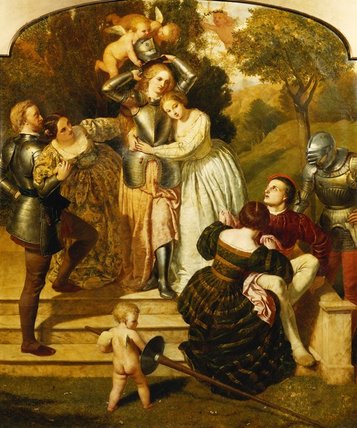
 The Contest of Beauty for the Girle of Florimel Britomartis Unveiling Amoret
17
 The Artist's Son And Nurse
18
 Washing the Vegetables
19
 He Path Where The Brown Leaves Are Spread
20
 On The Way To The Spring
21
 The betrothal
22
 Orsino and Viola
23
 At The Spring
24
 Viola and the Countess
المواضيع الأربعة التي تتكرر باستمرار في هذه الأعمال الأصلية، مع تقديم أروع مثال لكل منها.
المتاحف الـ 3 التي تضم أكبر عدد من اللوحات الموجودة في هذه الصفحة.
| المتحف | المدينة | أعمال Frederick Richard Pickersgill | لوحات من هذه القائمة |
|---|---|---|---|
 Benthall Hall |
2 | Lady in Persian Dress, Samson Betrayed | |
 Royal Collection |
لندن | 1 | The Death of Francesco Foscari, Doge of Venice |
 المعرض الوطني للصور |
لندن | 1 | Frederick Richard Pickersgill |
اختر عقداً لتشاهد العمل الأصلي الذي يجسده.
Lady in Persian Dress (1845)، Benthall Hall. ويليها Amoret, Aemylia and Prince Arthur, in the Cottage of Sclaunder (1845) وThe Death of Francesco Foscari, Doge of Venice (1854).
عمر 25 عاماً: يعود تاريخ Lady in Persian Dress إلى 1845، وقد وُلد Frederick Richard Pickersgill في 1820.
Lady in Persian Dress, Amoret, Aemylia and Prince Arthur, in the Cottage of Sclaunder, The Death of Francesco Foscari, Doge of Venice, Othello and Desdemona, Samson Betrayed, Frederick Richard Pickersgill, Portrait Of William Wordsworth, Mercury Instructing The Nymphs In Dance, Crowned By Cupid و Britomart Unarming. يوضح التصنيف أعلاه سنة كل لوحة والمتحف التابعة له.
يضم كتالوجنا 24 من أعمال Frederick Richard Pickersgill، التي يعود تاريخها من 1845 إلى 1862.
توجد غالبيتها في Benthall Hall, Royal Collection (لندن) و المعرض الوطني للصور (لندن). يدرج جدول المتاحف أعلاه جميعها.
في 1840s: تم إنجاز 3 من أصل 24 من الأعمال في هذه الصفحة خلال تلك الفترة، من بينها Lady in Persian Dress.
في هذه الصفحة، أقدم الأعمال يعود إلى Lady in Persian Dress (1845) وأحدثها يعود إلى Samson Betrayed (1862).
Mythological scene (2), Classical beauty (2) و Allegorical art (2)، عبر 24 من الأعمال في هذه الصفحة.
Romanticism، بناءً على الأعمال الأصلية في هذه الصفحة.
Lady in Persian Dress و Samson Betrayed: يضم Benthall Hall 2 من الأعمال المعروضة في هذه الصفحة.


